Dental standards determine the quality, safety, and reliability of care you receive when sitting in that dentist’s chair. These standards encompass everything from sterilization protocols to the qualifications of the professionals treating you, and they directly impact your treatment outcomes and long-term oral health.
Turkey has emerged as a powerhouse in dental tourism, attracting thousands of patients annually from Western Europe and the USA. The country’s dental sector has experienced explosive growth, with Istanbul alone hosting hundreds of modern dental clinics catering specifically to international patients. You’ve probably heard stories from friends or seen countless social media posts about people traveling to Turkey for dental work.
This comparison between Turkey dental standards, Western Europe dental care, and USA dental care matters because you need accurate information before making decisions about dental tourism. The question isn’t just about cost savings—it’s about understanding whether Turkish clinics can deliver the same quality and safety you’d expect back home. You deserve to know exactly how these standards stack up against each other.
Understanding Dental Standards Globally
Dental Regulations in Western Europe
Dentistry in Western Europe operates under strict regulatory frameworks that vary by country but share common principles. The European Union’s Medical Devices Regulation (MDR) and the General Data Protection Regulation (GDPR) create baseline standards across member states. Individual countries like Germany, the UK, and France maintain their own dental councils that oversee licensing, continuing education requirements, and practice standards.
These regulatory bodies ensure dentists complete rigorous educational programs—typically five to six years of university study—followed by mandatory registration and periodic competency assessments.
Dental Regulations in the USA
In the USA, dental care quality is governed by the American Dental Association (ADA) and state-specific dental boards. The Commission on Dental Accreditation (CODA) sets educational standards for dental schools, while the Joint Commission on National Dental Examinations administers licensing tests.
American dentists must complete four years of dental school after obtaining an undergraduate degree, pass both written and clinical examinations, and maintain state licensure through continuing education credits.
Common Standards in Western Europe and the USA
Both regions emphasize infection control protocols, patient safety measures, and ethical practice standards. Key certifications include:
- ISO 9001 for quality management systems
- ISO 13485 for medical device quality management
- CE marking in Europe for dental equipment compliance
- FDA approval in the USA for dental materials and devices
Technological Advancements in Dentistry
The technological landscape in Western Europe and the USA includes digital radiography, cone beam computed tomography (CBCT), intraoral scanners, and CAD/CAM systems for same-day restorations. You’ll find these clinics routinely use 3D printing for surgical guides, laser dentistry for soft tissue procedures, and digital smile design software for aesthetic treatments.
Sterilization protocols follow CDC guidelines in the USA and similar standards across European nations, with autoclaves, biological monitoring, and single-use instruments where appropriate.
Evidence-Based Dentistry
Treatment protocols emphasize evidence-based dentistry, with practitioners expected to stay current with peer-reviewed research and clinical guidelines published by professional organizations.
Evaluating Dental Standards in Turkey
Turkey’s dentistry quality has improved significantly over the last twenty years, making the country a strong competitor in international dental care. This change is due to large government investments in healthcare infrastructure and a strategic focus on developing medical tourism.
Modern Technology in Turkish Dental Clinics
Turkish dental clinics now regularly use modern dental technology that Turkey has become known for. You’ll find:
- Digital smile design software
- 3D imaging systems
- CAD/CAM technology
in many facilities—equipment that matches what you’d find in top Western clinics. The use of intraoral scanners and cone beam CT machines has become common practice, allowing for accurate diagnostics and treatment planning.
Specialized Training for Dentists
The educational landscape is crucial in maintaining these standards. Turkish dentists are increasingly seeking specialized training abroad, with many completing residencies or advanced certifications in Germany, the UK, and the United States. This exchange of knowledge brings Western methods directly into Turkish practices. It’s common to see practitioners displaying dual certifications, having studied both domestically and internationally.
Ongoing Education and International Accreditations
The Turkish Dental Association enforces continuing education requirements, ensuring dentists stay updated with evolving techniques and technologies. This commitment to ongoing professional development reflects the standards you’d expect from regulatory bodies in Western Europe.
Many clinics also pursue international accreditations—such as ISO certifications and membership in global dental organizations—to showcase their compliance with recognized quality benchmarks.
Comparative Analysis: Professional Training and Qualifications
Dentist training Turkey begins with a five-year undergraduate program at accredited dental faculties, mirroring the educational structure found across European dentist education systems. Turkish dental schools follow the Bologna Process framework, ensuring compatibility with European higher education standards. You’ll find that many Turkish dentists pursue additional specialization through postgraduate programs lasting 3-4 years, comparable to residency requirements in Western Europe.
The path to becoming a dentist in the USA differs slightly, requiring a four-year undergraduate degree followed by a four-year Doctor of Dental Surgery (DDS) or Doctor of Dental Medicine (DMD) program. US dentist qualifications emphasize extensive clinical rotations during dental school, while Turkish programs integrate clinical practice throughout the five-year curriculum.
International training significantly elevates clinical skills among Turkish dental professionals. A substantial number of Turkish dentists complete fellowships, advanced training courses, or full degree programs in countries like Germany, the UK, and the United States. This exposure brings cutting-edge techniques and treatment philosophies back to Turkish practices.
Licensing requirements show notable variations:
- Turkish dentists must pass a national examination (TUS) for specialization
- European dentists operate under EU-wide recognition of qualifications
- US dentists require state-specific licensing through examinations like the National Board Dental Examination
Turkish dental professionals serving international patients often hold memberships in organizations such as the International Congress of Oral Implantologists (ICOI) or the American Academy of Cosmetic Dentistry (AACD), demonstrating their commitment to maintaining international standards.
Examining Technology, Infrastructure, and Treatment Range in Dental Clinics
Dental technology Turkey has reached impressive levels that rival, and sometimes surpass, what you’ll find in Western European and American clinics. Walk into a reputable Turkish dental facility, and you’ll encounter the same digital imaging systems, 3D cone beam CT scanners, and CAD/CAM technology that define modern dentistry worldwide. The difference? These tools aren’t reserved for elite practices—they’re standard equipment in many mid-range Turkish clinics.
Advanced Dentistry Equipment in Turkey
The advanced dentistry equipment landscape in Turkey includes:
- Intraoral scanners for precise digital impressions
- Laser dentistry systems for soft tissue procedures
- Computer-guided implant surgery technology
- Digital smile design software for aesthetic planning
- Microscope-assisted endodontics equipment
What sets Turkish clinics apart is their investment in integrated dental labs Turkey facilities. You won’t wait weeks for your crown or veneer to arrive from an external laboratory. Many Turkish clinics house their own labs on-site, equipped with milling machines and skilled technicians who can produce restorations in hours rather than days. This integration dramatically reduces your treatment timeline—what might require three visits in the USA can often be completed in two visits in Turkey.
Infrastructure Quality in Turkish Dental Clinics
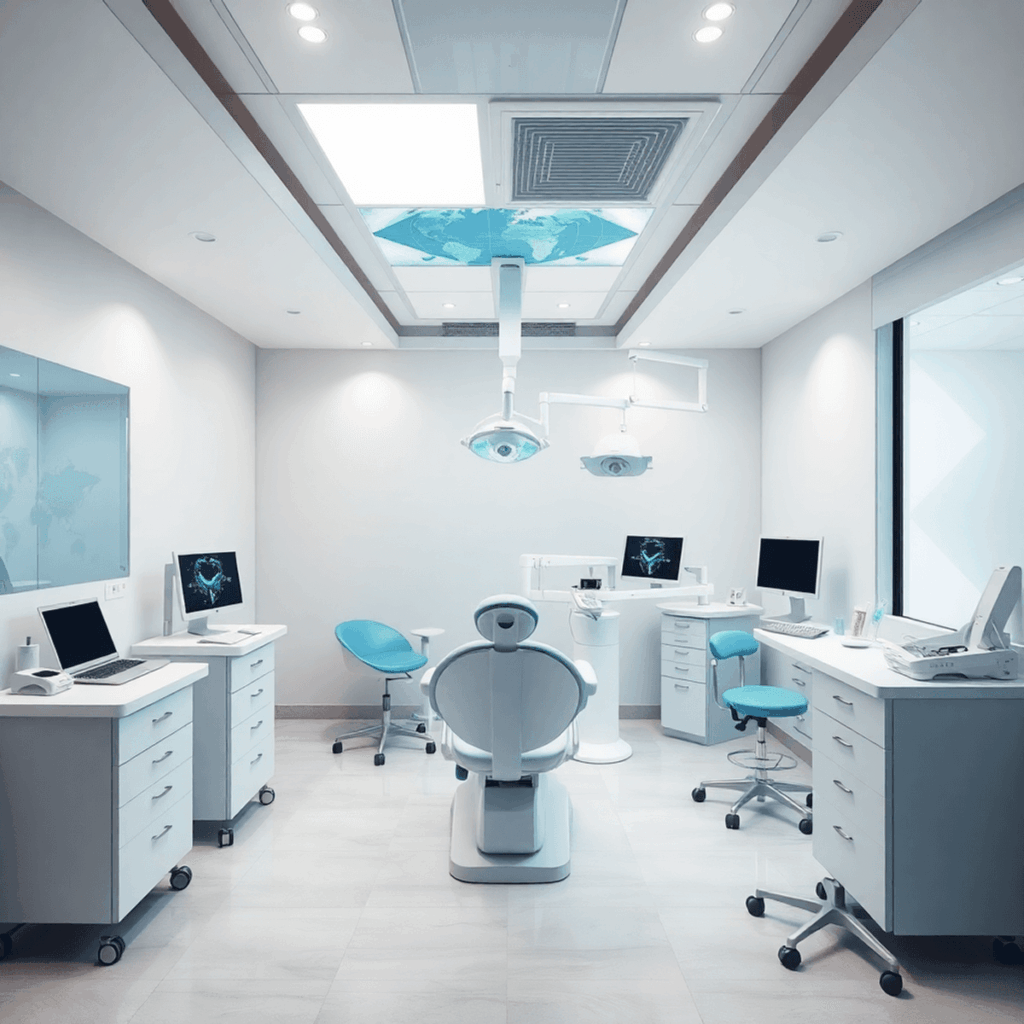
The infrastructure quality varies more noticeably than the technology itself. Premium Turkish dental centers in Istanbul, Antalya, and Izmir feature modern, spacious facilities with dedicated sterilization rooms, patient recovery areas, and hotel-like waiting spaces. These clinics maintain strict hygiene protocols that match or exceed Western standards. You’ll find separate treatment rooms, proper ventilation systems, and equipment that’s regularly maintained and updated.
Budget-friendly clinics may operate in smaller spaces with less luxurious amenities, but the core technology and sterilization standards typically remain solid. The treatment range offered is comprehensive—from routine cleanings to complex full-mouth rehabilitations with All-on-4 implants, zygomatic implants for severe bone loss, and advanced periodontal treatments. Turkish dentists regularly perform procedures that would be considered specialized in many Western practices.
Assessing Cost Factors, Patient Experience, Safety Standards, and Challenges in Turkish Dental Tourism
Cost of Dental Care: Turkey vs. Europe and the USA
The cost of dental care Turkey vs Europe USA reveals striking differences that drive thousands of patients to Turkish clinics annually. You’ll find dental treatments in Turkey priced at 50-70% less than comparable procedures in Western Europe or the USA. A dental implant that costs $3,000-$5,000 in the United States or €2,500-€4,000 in Germany typically runs between $500-$1,200 in Turkey, including the crown.
Why Are Dental Treatments Cheaper in Turkey?
These dramatic price differences stem from several economic factors:
- Labor costs in Turkey remain substantially lower than Western standards, with dentists earning competitive local salaries that translate to significant savings for international patients.
- Operational expenses including rent, utilities, and administrative overhead cost a fraction of what Western clinics pay.
- The Turkish lira’s exchange rate against the dollar and euro creates additional purchasing power for foreign patients seeking affordable dentistry Turkey.
How Do These Savings Affect Treatment Decisions?
You need to understand how these savings influence treatment decisions. Patients from the UK, Germany, and the United States regularly schedule comprehensive dental work in Turkey that they’ve postponed for years due to prohibitive costs at home. The financial accessibility allows you to address multiple dental issues simultaneously rather than spreading treatments over years.
The Role of Integrated Laboratory Systems
The integrated laboratory systems Turkish clinics employ contribute to both cost efficiency and patient convenience. You can complete procedures requiring crowns or veneers in days rather than weeks, reducing accommodation expenses and time away from work.
Quality of Patient Service
Patient service quality varies but many premium Turkish clinics like Dentofistanbul match or exceed Western standards. You’ll encounter English-speaking staff, detailed treatment plans, and comprehensive aftercare instructions. Some clinics provide 24/7 communication channels for post-treatment concerns.
Importance of Safety Standards and Accreditation
Safety standards and accreditation deserve careful scrutiny. Reputable Turkish dental clinics hold certifications from:
- Turkish Ministry of Health
- ISO 9001 quality management standards
- International Organization for Standardization (ISO) medical device certifications
- European CE marking for medical equipment
Hygiene protocols in accredited Turkish facilities mirror stringent Western European standards, with autoclaving, single-use instruments, and sterile environments.
Recognizing Risks When Seeking Treatment Abroad
You should recognize genuine risks when pursuing treatment abroad. Follow-up care becomes complicated when you return home, particularly if complications arise weeks or months later. Finding reliable local healthcare providers for follow-up can be challenging.
Despite these challenges, the lure of affordable dental care continues to attract international patients. In fact, Turkey is among the cheapest countries for dental work, making it a top destination for those seeking high-quality yet affordable dental treatments.
Conclusion
How Turkey’s Dental Standards Compare with Those in Western Europe and the USA shows a story of quality and affordability coming together. Turkish dental clinics have successfully closed the gap in global dental standards, providing care that competes with Western clinics while keeping prices 50-70% lower.
The country’s focus on modern technology, thorough training programs, and following international guidelines has changed its role in dental tourism. Turkish dentistry is not only competing but also setting new standards for affordable, top-notch care.
The future looks bright for Turkish dentistry. With ongoing investment in education, technology, and international recognition, Turkey is strengthening its reputation as a reliable choice for patients seeking complete dental solutions without sacrificing quality.
By considering Turkish dental care, you can access exceptional treatment at significantly lower costs compared to Western countries. You’ll be treated by professionals who are well-versed in European standards and prioritize patient-centered care.