Dental tourism has transformed how people approach expensive dental procedures. You’re no longer limited to paying premium prices in your home country when quality care exists abroad at a fraction of the cost. This growing trend involves traveling internationally to receive dental treatments, and it’s becoming increasingly popular as patients discover significant savings without compromising quality.
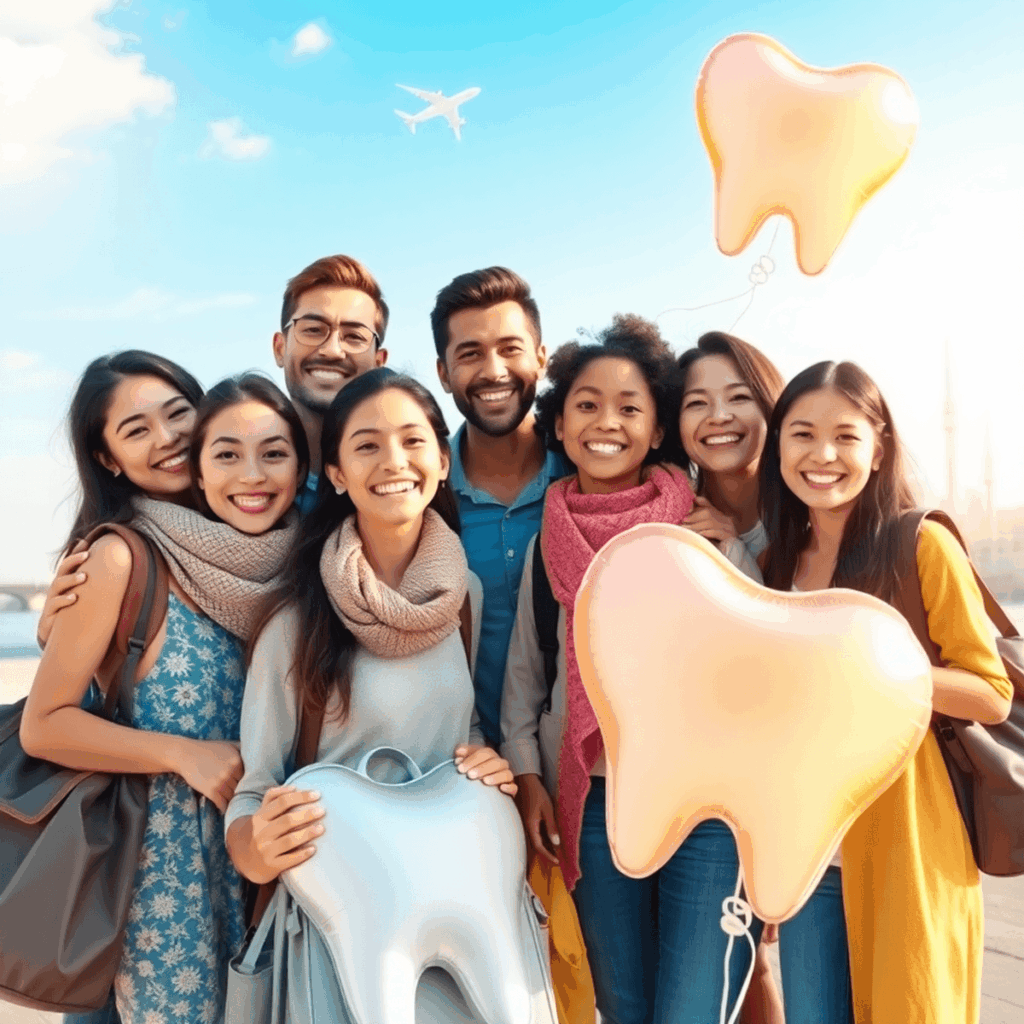
Booking a group trip for dental care abroad adds another layer of benefits to your experience. When you bring family or friends along for dental tourism, you’re creating a support system that makes the entire journey more comfortable and affordable. Shared accommodations, split transportation costs, and emotional support during recovery transform what could be an intimidating solo venture into a manageable group adventure.
This guide walks you through everything you need to know about family dental travel and friends dental tourism. You’ll learn how to plan effectively, choose safe destinations, coordinate logistics for multiple people, manage risks, and ensure quality care. Whether you’re considering dental implants in Mexico or veneers in Thailand, traveling as a group requires specific strategies that maximize both safety and savings.
Understanding Dental Tourism
Medical tourism is a growing global trend where patients travel to other countries to receive healthcare services. This industry has seen significant growth in the past 20 years, with millions of people traveling each year for various treatments such as cosmetic surgery or complex heart procedures. Dental care abroad is a part of this larger trend and is one of the most popular types of medical tourism worldwide.
Why Do People Choose Dental Tourism?
The main reason why people choose dental tourism is because of the cost savings. In the United States, a dental crown can cost around $2,500, while the same procedure may only cost $500 in countries like Mexico or Thailand—an 80% savings. Other dental procedures such as root canals, dental implants, and full mouth reconstructions also have similar price differences. These lower costs are often due to factors like lower operating expenses, cheaper malpractice insurance, and favorable currency exchange rates in the countries being visited.
Who Benefits from Dental Tourism?
Another group of individuals who benefit from dental tourism are those seeking specialized treatments that may not be available in their home country. This could be due to regulations or a lack of qualified specialists. Additionally, some patients prefer to receive treatment from providers who share their cultural background or speak their native language, as this can make communication during the procedure easier and more effective.
Popular Destinations for Dental Tourism
Some countries have become popular destinations for dental tourism:
- Mexico – Its close proximity to the United States and Canada makes it convenient for North American patients.
- Costa Rica – Known for its high-quality dental facilities and English-speaking dentists.
- Thailand – Offers advanced dental care along with opportunities for vacationing.
- Hungary – Europe’s hub for dental tourism with competitive pricing.
- Turkey – An emerging destination with modern clinics and affordable rates.
- Colombia – Gaining recognition for its cosmetic dentistry procedures.
These countries have established strong dental tourism industries with clinics that specifically cater to international patients. They often offer package deals that include both treatment and accommodations as well as local transportation options.
Advantages of Booking a Group Trip for Dental Tourism
Traveling with family or friends for dental care abroad transforms what could be an intimidating experience into a shared adventure. The group travel benefits extend far beyond simple companionship, creating practical and emotional advantages that solo travelers simply can’t access.
Financial Benefits Through Shared Resources
Your wallet will thank you when you split costs with travel companions. Shared accommodations like vacation rentals or multi-bedroom hotel suites cost significantly less per person than individual rooms. You can divide transportation expenses—whether renting a vehicle, hiring private transfers, or splitting taxi fares. Group discounts on flights and package deals become accessible when booking for multiple people, stretching your dental tourism budget even further. Additionally, many clinics offer financial resources for lodging which can further alleviate the financial burden.
Emotional Support During Treatment
Having familiar faces beside you reduces anxiety before and after dental procedures. Your companions can accompany you to appointments, help you understand treatment instructions, and assist with post-procedure care when you’re recovering. This emotional support during treatment proves invaluable when dealing with language barriers or navigating unfamiliar healthcare systems. Someone you trust can advocate for you if complications arise or questions need answering.
Enhanced Safety in Foreign Environments
Navigating an unfamiliar country becomes less daunting with a group. You have built-in accountability partners who notice if something seems wrong with your recovery. Multiple people can research clinics, verify credentials, and make informed decisions together. The simple presence of companions deters potential safety issues that solo travelers might face.
Planning Your Group Dental Tourism Trip
Choosing the Right Destination
Destination safety should be your top priority when deciding where to go for dental care abroad. Make sure to check travel advisories from official government sources and read recent traveler reviews about the security situation in potential locations. It’s also important to research the political stability of the country, crime rates in tourist areas, and the quality of local infrastructure that will support your group’s needs.
Healthcare standards can vary greatly between countries and even between regions within the same country. Find out if your chosen destination has modern medical facilities, follows international hygiene protocols, and has emergency services readily available. Look for countries with established medical tourism industries that have invested in healthcare infrastructure specifically designed for international patients.
Dental clinic accreditation is a reliable indicator of quality care. Look for facilities certified by recognized international organizations such as the Joint Commission International (JCI), the International Organization for Standardization (ISO), or country-specific dental associations. These certifications confirm that clinics meet rigorous standards for equipment sterilization, practitioner qualifications, and patient safety protocols. You can verify credentials directly through these organizations’ websites instead of relying solely on clinic claims.
Coordinating Travel Logistics for Groups
Booking a Group Trip: Bringing Family or Friends Along for Dental Tourism requires strategic planning to keep everyone synchronized. Start by selecting a group leader who will handle primary communications with the dental clinic and coordinate booking confirmations. This centralized approach prevents confusion and ensures everyone receives consistent information.
When booking flights for multiple people, consider using group booking services offered by airlines, which sometimes provide discounted rates for parties of ten or more. Book accommodations near the dental clinic to minimize daily transportation stress. Vacation rental properties often work better than hotels for groups since they provide shared living spaces and kitchen facilities for preparing soft foods during recovery periods.
Align treatment schedules by communicating with the clinic about staggering appointment times. This arrangement allows some group members to accompany others during procedures while maintaining flexibility for sightseeing or rest days.
Health Preparations Before Departure
Schedule a pre-travel health consultation with your primary care physician at least 4-6 weeks before departure. You need this time buffer because some vaccinations for travel require multiple doses or take weeks to become effective. Your doctor will review your medical history, current medications, and the specific dental procedures you’re planning to assess potential complications.
During this consultation, discuss:
- Country-specific health risks at your destination
- Required or recommended vaccinations (hepatitis A and B, typhoid, tetanus)
- Medication interactions with antibiotics or pain relievers commonly prescribed after dental work
- Blood clotting concerns if you’re on anticoagulants and planning surgical procedures
- Diabetes management strategies during travel and recovery
Bring a list of all current medications and supplements. Your healthcare provider can identify which ones you should continue, adjust, or temporarily stop before your dental procedures. Request copies of your medical records, including recent lab work and X-rays, to share with your overseas dental team. Pack a sufficient supply of prescription medications in their original containers, plus extras in case of travel delays.
Managing Risks Associated with Group Dental Tourism Trips
Understanding Potential Health Risks
Infection risk abroad represents one of the most significant concerns when seeking dental care internationally. Hygiene standards vary dramatically between countries and even between clinics within the same destination. For instance, while some clinics like Dentofistanbul adhere to high sanitation standards, others may not. You might encounter facilities where sterilization protocols don’t match the rigorous standards you’re accustomed to at home. Cross-contamination from improperly sterilized instruments can lead to serious infections, including hepatitis B, hepatitis C, and HIV.
Dental procedure complications can arise from any treatment, but the challenges multiply when you’re thousands of miles from home. Implant failures, nerve damage from extractions, or adverse reactions to anesthesia become more difficult to manage when you can’t easily return to the treating dentist. Your group should understand that complications requiring emergency intervention might mean navigating an unfamiliar healthcare system in a foreign language.
Blood clots pose another risk, particularly after extensive oral surgery combined with long flights. When traveling as a group, you need to monitor each other for signs of complications during recovery periods abroad and throughout your journey home.
Insurance Considerations for Overseas Dental Care
Your standard health insurance likely provides minimal or zero coverage for dental procedures performed outside your home country. Most domestic policies explicitly exclude international medical care, leaving you financially exposed if complications arise.
Purchasing supplemental insurance specifically designed for international medical procedures protects your group from unexpected costs. These policies typically cover:
- Emergency medical evacuation back to your home country
- Treatment of complications arising from the dental procedure
- Extended hospital stays if recovery doesn’t go as planned
- Follow-up care needed upon return
You should review policy terms carefully, as some insurers exclude coverage for pre-existing conditions or specific types of dental work.
Ensuring Quality Care During Your Dental Tourism Trip
Researching Clinics Thoroughly
Finding accredited dental clinics abroad requires methodical investigation before booking a group trip: Bringing family or friends along for dental tourism. Start by verifying certifications from international organizations like the Joint Commission International (JCI) or the International Organization for Standardization (ISO). These accreditations signal that clinics meet rigorous safety and quality standards.
You can cross-reference potential clinics through multiple channels:
- Professional dental associations in the destination country
- Patient review platforms specifically designed for medical tourism
- Direct communication with the clinic to request credentials and success rates
- Your home-country dentist’s recommendations for trusted international partners
Request before-and-after photos of previous patients who underwent similar procedures. Ask about the dentist’s training, years of experience, and whether they speak your language fluently. Legitimate clinics welcome these inquiries and provide transparent answers.
Maintaining Continuity of Care Post-Treatment
Request comprehensive medical records from your foreign dental provider before departing. These documents should include:
- Detailed treatment notes and procedures performed
- X-rays, scans, and diagnostic images in digital format
- Materials used (implant brands, crown types, filling materials)
- Post-operative instructions and expected healing timeline
- Contact information for follow-up questions
Share these records with your home-country dentist immediately upon return. This documentation ensures seamless monitoring of your dental work and allows your local provider to address any complications that arise after treatment.
Legal and Regulatory Considerations When Traveling as a Group for Dental Care
Legal rights abroad medical care differ significantly from what you’re accustomed to at home. Each country maintains its own healthcare regulations, malpractice laws, and patient protection standards. You need to understand that the legal recourse available to you in your home country may not exist in your destination country.
Before booking your group trip, research the specific legal framework governing dental care in your chosen destination:
- Malpractice liability laws – Some countries have limited or no malpractice protections for international patients
- Dispute resolution processes – Legal systems may require arbitration rather than court proceedings
- Language barriers in legal documents – Consent forms and treatment agreements may not be available in your native language
- Licensing requirements – Verify that practitioners hold valid credentials recognized by local regulatory bodies
You should request copies of all consent forms and treatment agreements in advance. Consider having a local attorney review these documents before your departure. Many dental tourism destinations have different standards for informed consent, and you want to know exactly what you’re agreeing to when you sign treatment authorization forms.
Tips for a Successful Group Experience in Dental Tourism
Set clear expectations before booking anything. You need to have honest conversations about budget limits, accommodation preferences, and individual treatment timelines. When everyone understands their financial commitments upfront, you avoid awkward money discussions mid-trip.
Designate specific roles within your group. Assign one person to handle flight bookings, another to coordinate clinic appointments, and someone else to manage accommodation reservations. This division of responsibilities prevents confusion and ensures nothing falls through the cracks during group communication travel planning.
Create a shared digital calendar that includes everyone’s procedure dates, recovery periods, and planned activities. You’ll find this especially helpful when coordinating multiple dental appointments across different family members or friends.
Establish communication protocols for emergencies. Share local emergency numbers, clinic contact information, and your accommodation address with every group member. You should also decide on a primary contact person who can communicate with healthcare providers if complications arise.
Respect different recovery needs. Some procedures require more downtime than others, so you need flexibility in your group’s daily plans to accommodate varying recovery schedules. This might involve incorporating some telework options for those who can work remotely during their recovery period.
Additionally, it’s crucial to have a solid understanding of the communication framework for health-related emergencies that may arise during your dental tourism journey.
Conclusion
Booking a Group Trip: Bringing Family or Friends Along for Dental Tourism makes what could be a scary healthcare journey into a fun adventure with built-in support systems. The success of your group dental trip depends on how well you prepare—this means researching accredited clinics, understanding insurance limitations, and coordinating travel schedules that work for everyone’s treatment timelines.
You’ve learned that group dental tourism isn’t just about splitting costs on places to stay and flights. It’s about having familiar faces around who can speak up for you during recovery, help overcome language barriers, and provide emotional comfort in unfamiliar healthcare situations.
The difference between a stressful medical trip and a positive experience is how much time you’re willing to spend preparing. Look into clinic certifications carefully. Talk openly with your travel companions about what you expect from them and what they’ll need to do. Make sure you have the right insurance coverage. Get detailed medical records from your home dentist.
When you give equal importance to both healthcare quality and travel arrangements, you create the right environment for dental tourism that brings you the results you desire—better oral health at a lower price, with trusted people by your side.