Healthcare facilities worldwide consume massive amounts of energy and generate substantial waste daily. The medical sector contributes approximately 4.4% of global carbon emissions, making sustainability in healthcare not just a trend but an urgent necessity. Hospitals and clinics produce everything from single-use plastics to hazardous materials, creating an environmental footprint that demands immediate attention.
You might wonder how healthcare providers can balance quality patient care with environmental responsibility. The answer lies in innovative approaches that modern facilities are implementing to reduce their ecological impact without compromising treatment standards.
Eco-friendly Turkish clinics are emerging as pioneers in this green revolution. These facilities demonstrate that exceptional healthcare and environmental stewardship can coexist seamlessly. From Istanbul to Antalya, Turkish medical centers are adopting cutting-edge technologies and sustainable practices that set new benchmarks for the industry.
Green dentistry Turkey represents a particularly impressive example of this transformation. Dental clinics across the country are integrating digital solutions, energy-efficient equipment, and recyclable materials into their daily operations. These practices reduce waste, conserve resources, and minimize carbon footprints while maintaining the high-quality care that patients expect. Turkish clinics prove that sustainability isn’t an obstacle to excellence—it’s a pathway to it.
The Environmental Challenges in Traditional Medical and Dental Practices
Traditional healthcare facilities contribute significantly to environmental degradation through their daily operations. You might be surprised to learn that hospitals and clinics rank among the most resource-intensive buildings, consuming approximately 2.5 times more energy per square foot than commercial office buildings. The medical waste impact extends beyond what most people realize—healthcare facilities generate over 5.9 million tons of waste annually, with a substantial portion consisting of single-use plastics, contaminated materials, and hazardous substances.
Energy Consumption in Clinics
Energy consumption clinics face stems from multiple sources:
- Constant operation of sterilization equipment requiring high temperatures
- 24/7 lighting and climate control systems
- Power-hungry imaging machines and diagnostic tools
- Refrigeration units for medications and biological samples
Challenges in Traditional Dental Practices
Traditional dental practices present their own set of challenges. Conventional impression materials create significant waste, with each patient visit generating disposable trays, mixing tips, and excess material that ends up in landfills. The use of non-recyclable medical materials compounds the problem—amalgam waste containing mercury, single-use plastic barriers, and disposable instruments create a continuous stream of environmental pollutants.
Water Consumption Concerns
Water consumption represents another critical concern. A single dental unit can use up to 600 gallons of water daily, with much of it running unnecessarily during procedures. These practices demand immediate attention and sustainable alternatives that balance patient care with environmental responsibility.
Sustainable Dentistry: Innovations in Modern Turkish Clinics
Digital dentistry Turkey has transformed how clinics approach patient care while dramatically reducing environmental impact. You’ll find modern Turkish dental facilities replacing traditional impression materials—those messy, single-use trays filled with alginate or silicone—with advanced digital scanners. These intraoral scanners capture precise 3D images of your teeth without generating physical waste. A single scanner eliminates hundreds of impression trays, mixing tips, and cartridges that would otherwise end up in landfills.
Sustainable Technologies in Dentistry
Sustainable dental technologies extend beyond imaging. Turkish clinics now prioritize biocompatible materials that serve dual purposes: they’re safer for your body and gentler on the environment. Ceramic restorations, for instance, offer exceptional durability compared to older alternatives. When materials last longer, you need fewer replacements, which means less consumption and waste over time.
Eco-Friendly Practices in Dental Care
Eco-friendly dental materials have become standard in progressive Turkish practices. You’ll notice recyclable packaging for sterilization pouches, biodegradable patient bibs, and reusable metal instruments that replace disposable plastic versions. Some clinics use glass ionomer cements that release fluoride naturally, reducing the need for additional treatments while being less toxic to manufacture and dispose of.
The shift toward recyclable products in dental procedures includes everything from the containers holding cotton rolls to the packaging protecting sterile instruments. These seemingly small changes accumulate into significant environmental benefits when implemented across an entire clinic’s daily operations.
Energy Efficiency and Resource Conservation in Clinics
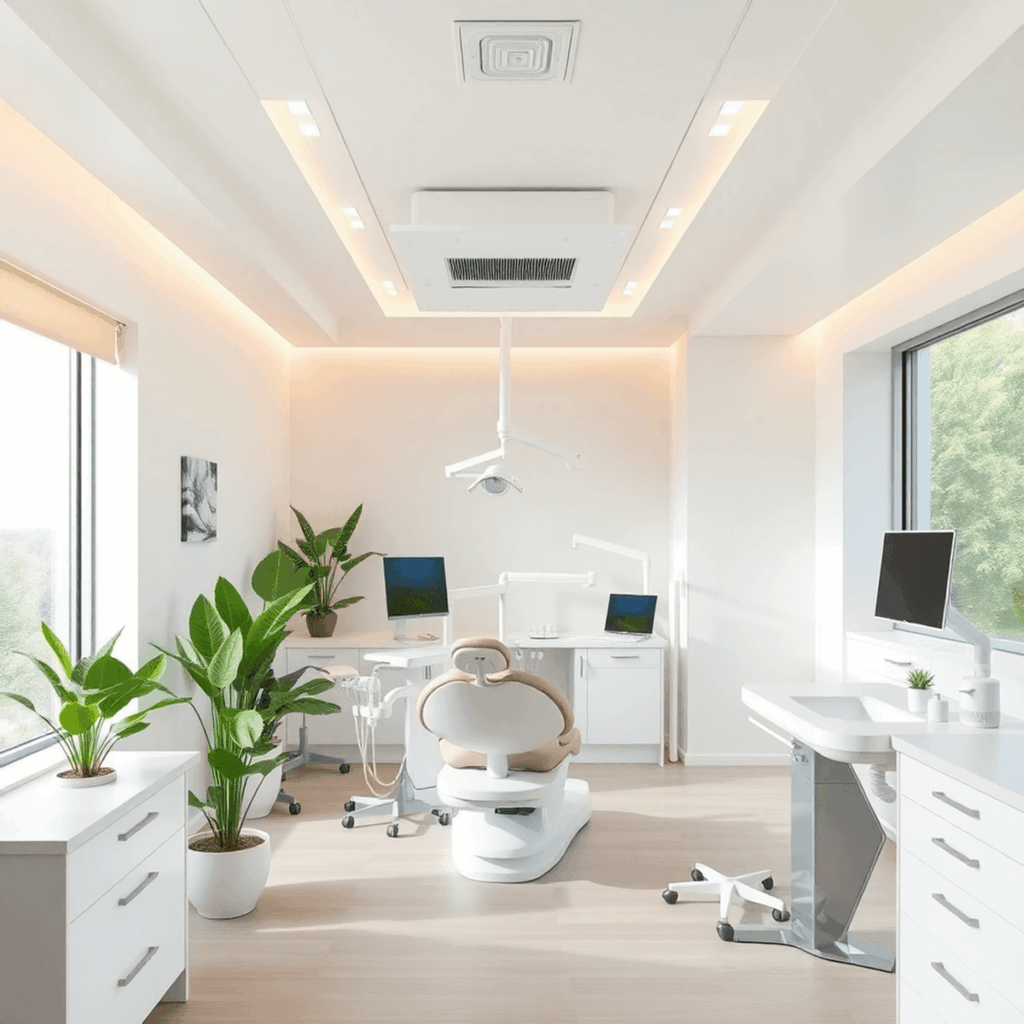
Energy-efficient clinic technology is changing the way modern Turkish dental facilities operate. For example, Dentofistanbul uses advanced HVAC systems that automatically adjust the temperature based on how many people are in the building. This helps to save energy by not cooling or heating empty rooms. These smart systems also keep track of how energy is being used in real-time and make adjustments to work more efficiently without making patients uncomfortable.
LED lighting healthcare installations have become standard across Turkish clinics. These lighting solutions consume up to 75% less energy than traditional fluorescent bulbs while providing superior illumination for precise dental work. The extended lifespan of LED systems—often lasting 25,000 hours or more—means fewer replacements and reduced maintenance waste.
Water-saving dental equipment addresses one of dentistry’s most significant resource challenges. Modern Turkish clinics utilize:
- Vacuum systems that recycle water during suction procedures
- Ultrasonic scalers with precision water delivery mechanisms
- Automated faucets with sensors that prevent unnecessary water flow
- Closed-loop cooling systems for dental equipment that reuse water
These technologies directly impact the clinic’s environmental footprint. A single dental chair equipped with water-efficient technology can save thousands of liters annually. When you multiply this across an entire facility, the conservation becomes substantial.
Waste Management and Recycling Practices
Modern Turkish clinics have transformed their approach to medical waste recycling Turkey by implementing comprehensive systems that separate, process, and redirect materials away from landfills. These facilities utilize color-coded bins for different waste categories—from contaminated materials requiring special disposal to recyclable plastics and paper products that can re-enter the production cycle.
The shift toward recyclable products healthcare extends to every aspect of clinical operations. Dental practices now source supplies packaged in recyclable materials, from sterilization pouches to patient care products. Single-use items, when necessary, are selected based on their recyclability potential. Many clinics have partnered with specialized waste management companies that understand the unique requirements of medical environments and can properly process materials for reuse.
These responsible waste management clinics demonstrate measurable environmental benefits through their practices:
- Reduction of hazardous waste entering ecosystems
- Decreased demand for virgin materials through recycling programs
- Lower carbon footprint from reduced landfill transportation
- Cost savings that can be redirected to patient care improvements
You benefit from these initiatives as a patient through reduced environmental contamination and the knowledge that your healthcare choices support sustainable practices. Turkish clinics track their waste diversion rates, with leading facilities achieving 60-70% waste recycling compared to traditional disposal methods. This commitment to proper waste handling protects local water sources, soil quality, and air purity while setting new standards for the healthcare industry.
Patient Participation in Eco-Friendly Dental Care
Sustainable oral hygiene initiatives in Turkey go beyond just dental clinics. They encourage you to actively participate in protecting the environment. Modern dental practices in Turkey understand that making a lasting impact requires collaboration between healthcare providers and patients.
Making a Difference with Bamboo Toothbrushes
Switching from plastic toothbrushes to bamboo alternatives is an easy yet powerful choice. Here are some reasons why you should consider making the switch:
- Reduce Plastic Waste: By choosing bamboo toothbrushes, you can prevent approximately 4-5 plastic toothbrushes from ending up in landfills every year.
- Biodegradable Solution: Unlike conventional brushes that take centuries to decompose, bamboo toothbrushes naturally break down within months.
- Same Performance: Rest assured, these biodegradable alternatives work just as effectively as traditional brushes.
During your dental visits, Turkish clinics actively promote the use of bamboo toothbrushes. They often provide information about local suppliers and sustainable oral care products, making it easier for you to make eco-friendly choices.
Conserving Water While Brushing
Another practical way you can contribute to sustainability is by conserving water during your daily brushing routine. Here’s how:
- Turn Off the Tap: Instead of leaving the tap running while brushing, turn it off to save water.
- Monthly Savings: By adopting this habit, you can save up to 8 gallons of water every month.
This may seem like a small action, but when entire communities visiting eco-conscious dental care facilities embrace it, the impact becomes significant.
Choosing Eco-Friendly Oral Care Products
Your choice of oral care products also plays a crucial role in supporting sustainability goals. Here are some alternatives to consider:
- Recyclable Aluminum Toothpaste Tubes: Opt for toothpaste tubes made from recyclable aluminum instead of plastic ones.
- Refillable Glass Dental Floss Containers: Choose dental floss packaged in refillable glass containers instead of single-use plastic.
- Biodegradable Mouthwash Packaging: Look for mouthwash products with biodegradable packaging.
Turkish clinics are committed to helping you identify genuinely eco-friendly products and avoid falling victim to greenwashing marketing claims. They provide detailed guidance on how to spot authentic sustainable options.
The Importance of Regular Preventive Check-Ups
Maintaining optimal oral health through consistent care is essential not only for your well-being but also for reducing your environmental footprint. Here’s why:
- Resource Conservation: Regular preventive check-ups can help minimize the need for extensive treatments that require substantial resources and materials.
- Environmental Stewardship: Turkish dental professionals emphasize the connection between preventive dentistry and environmental stewardship during patient education sessions.
By prioritizing preventive care, you contribute towards conserving resources and protecting the environment.
The Broader Impact of Sustainability Initiatives in Turkish Clinics
Green healthcare Turkey initiatives create ripple effects that extend far beyond clinic walls. When you choose environmentally responsible medical care, you’re supporting a system that actively reduces carbon emissions while delivering exceptional treatment outcomes. Modern Turkish clinics demonstrate that sustainable health outcomes don’t require compromising on quality—they enhance it.
The connection between environmental health and patient well-being runs deeper than you might expect. Clinics using non-toxic, biocompatible materials reduce your exposure to harmful chemicals during treatments. Energy-efficient ventilation systems maintain cleaner air quality in treatment rooms, creating healthier spaces for both patients and staff. These practices directly impact your immediate health while contributing to broader environmental protection.
Turkish clinics have positioned themselves as pioneers in Sustainability and Eco-Friendly Practices at Modern Turkish Clinics, setting benchmarks for the global healthcare community. You’ll find these facilities investing in:
- Advanced filtration systems that prevent harmful substances from entering water supplies
- Solar panels and renewable energy sources reducing reliance on fossil fuels
- Partnerships with eco-certified suppliers ensuring sustainable supply chains
- Staff training programs focused on environmental stewardship
The long-term advantages reach entire communities. Reduced medical waste means less contamination in local ecosystems. Lower energy consumption decreases the strain on power grids. Environmentally responsible medical care creates healthier neighborhoods where air and water quality improve year after year, benefiting generations to come.
Conclusion
The future of sustainable clinics depends on unwavering dedication to environmental responsibility. Turkish healthcare providers have demonstrated that quality treatment and ecological consciousness can coexist seamlessly. This commitment must extend beyond current achievements.
Eco-friendly healthcare trends Turkey continues to set represent a blueprint for global medical practices. You have the power to support these initiatives through simple choices—selecting clinics that prioritize sustainability, embracing digital treatment options, and adopting eco-conscious oral care products.
Healthcare providers must maintain their investment in green technologies and waste reduction strategies. The journey toward complete environmental responsibility requires consistent effort from both practitioners and patients.
Sustainability and Eco-Friendly Practices at Modern Turkish Clinics showcase what’s possible when innovation meets environmental stewardship. Every energy-efficient device installed, every piece of recyclable material used, and every digital procedure performed contributes to a healthier planet. Your participation in these green initiatives creates lasting positive change for future generations. The path forward demands collective action—choose sustainability, support eco-friendly clinics, and become an active participant in protecting our environment.