Introduction: The Growing Trend of Dental Tourism in Turkey
In recent years, Turkey—and particularly Istanbul—has emerged as a global hub for dental tourism. Tens of thousands of patients from the UK, Europe, and North America travel here annually for restorative treatments, with dental implants being the most sought-after procedure. The primary driver is clear: cost savings of up to 70% compared to Western clinics. However, this price disparity naturally raises a critical question for any patient: Are dental implants in Turkey safe?
The short answer is yes, but only if you choose the right clinic. Turkey is home to some of the most advanced dental facilities and highly trained oral surgeons in the world. Yet, the rapid growth of the industry has also led to the rise of commercialized, high-volume clinics that prioritize profit over patient safety. To make an informed, safe decision, you must understand the clinical realities of dental implantology in Turkey.
The Clinical Difference: Specialist-Led vs. Commercial Clinics
When researching dental implants in Turkey, it is vital to distinguish between two very different clinic models:
1. Professor and PhD-Led Specialist Clinics
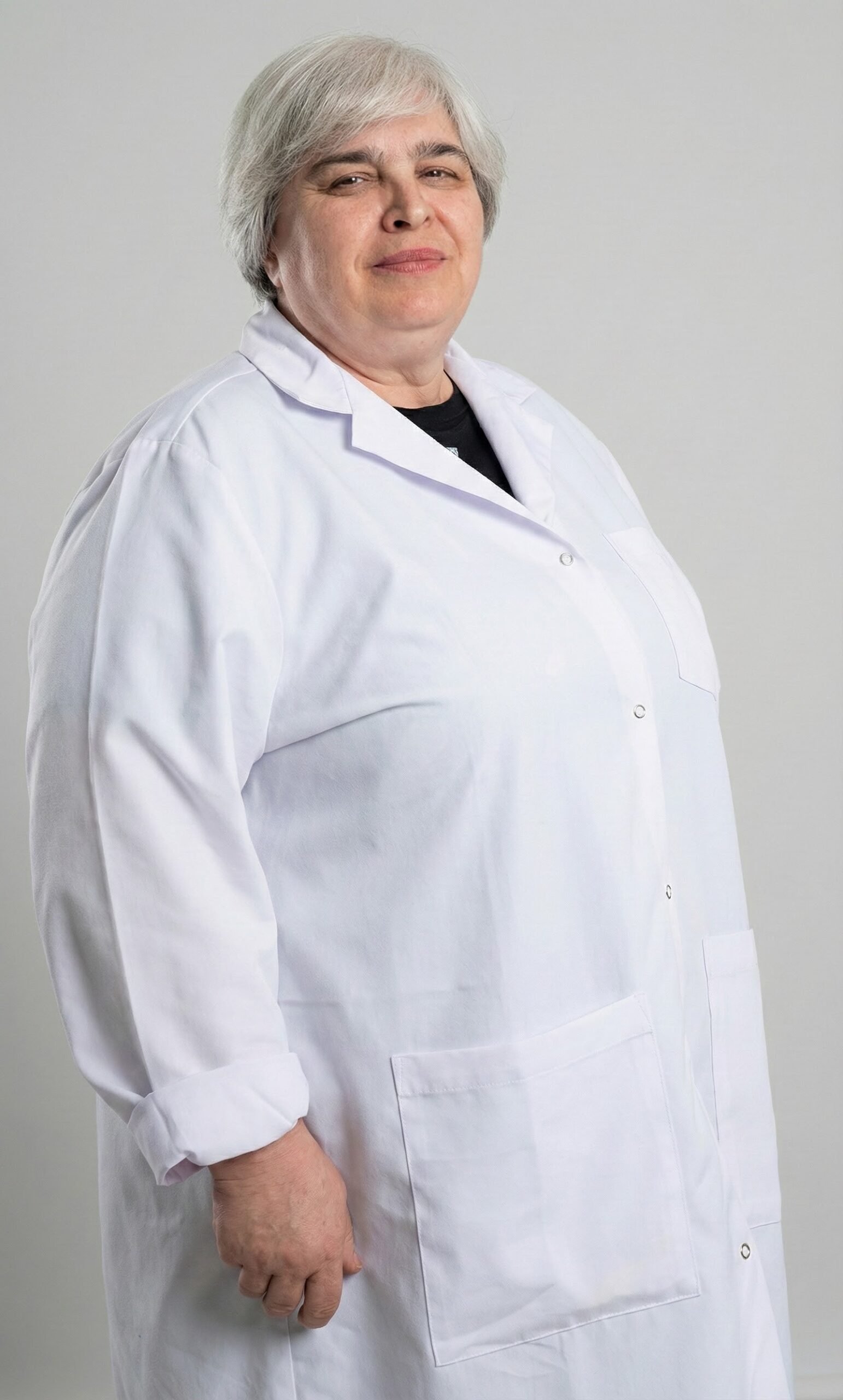
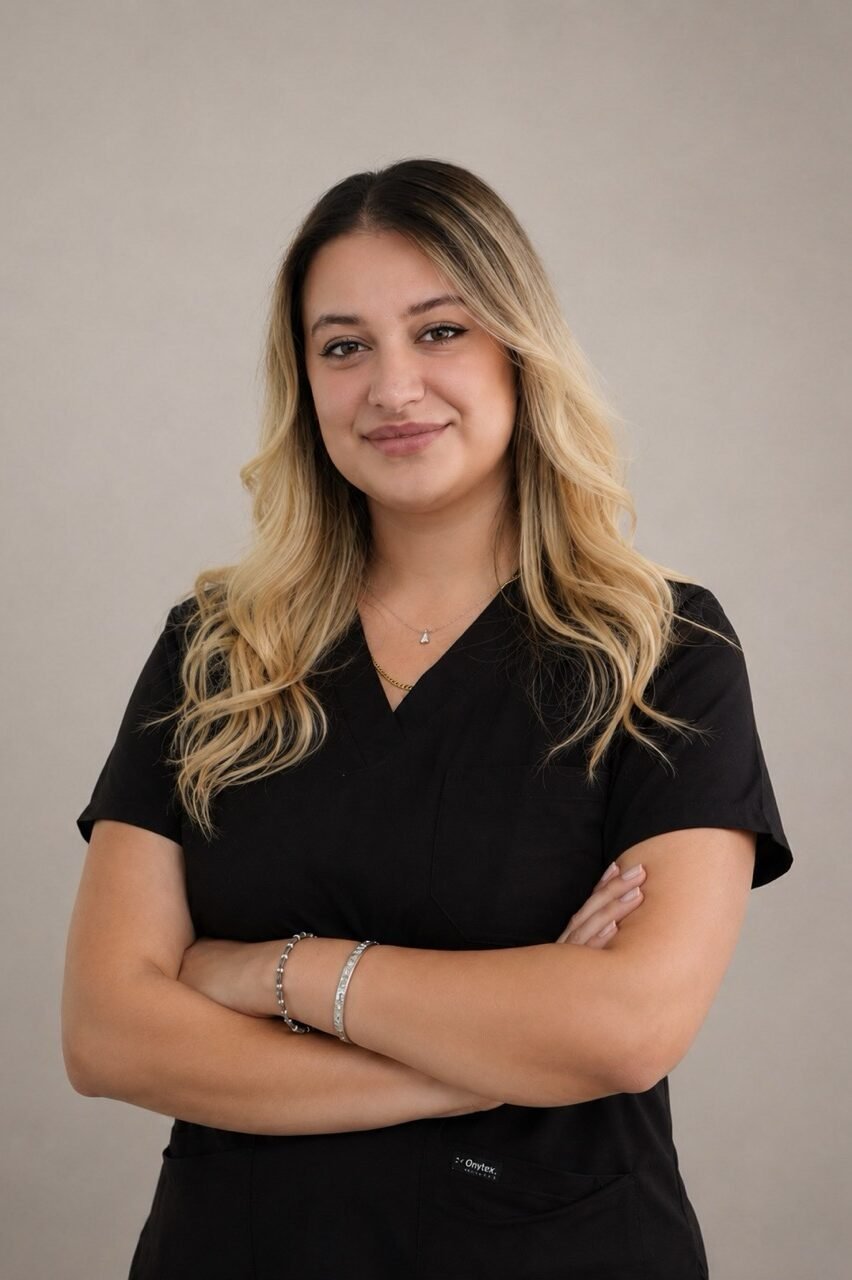
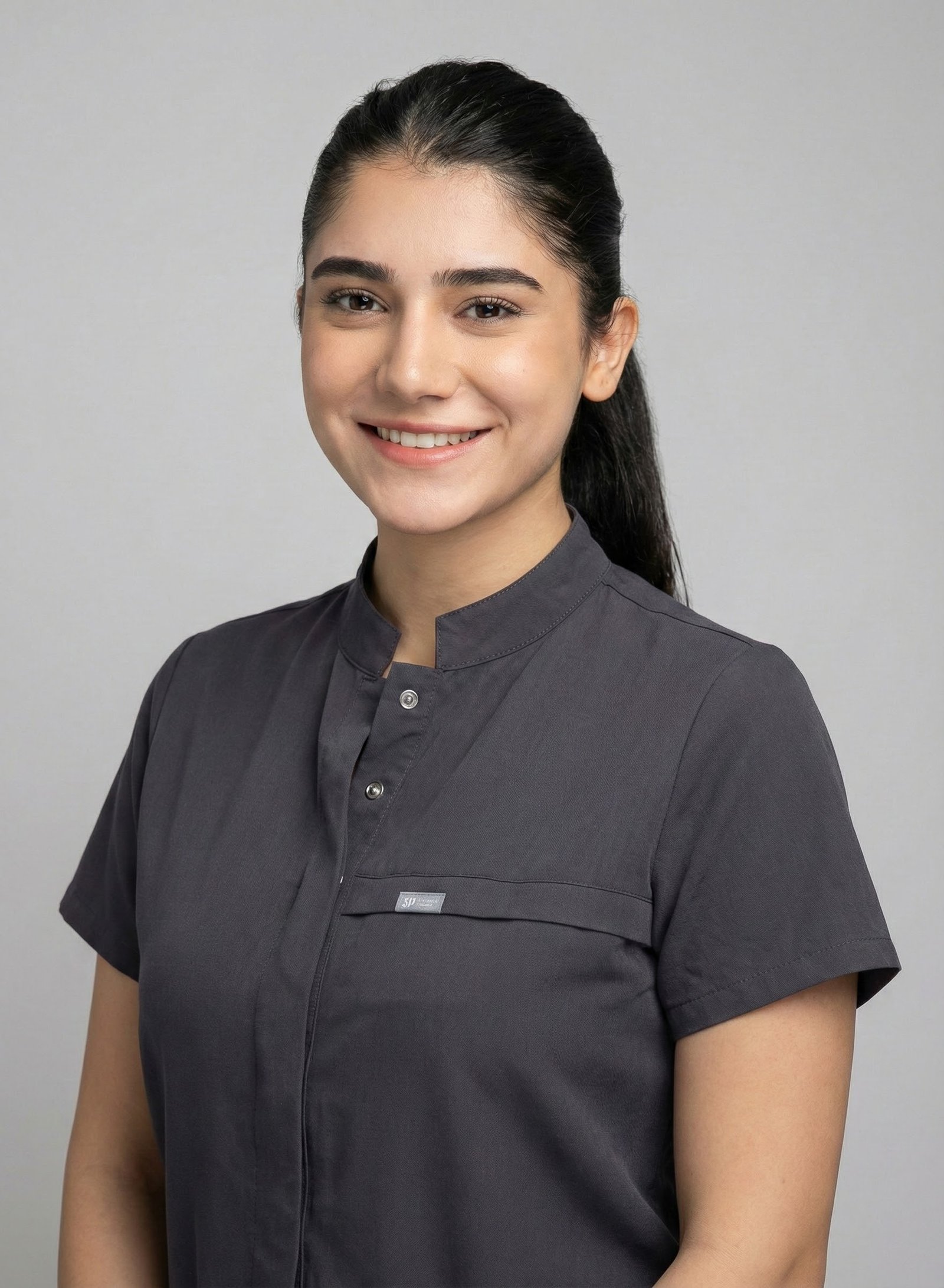
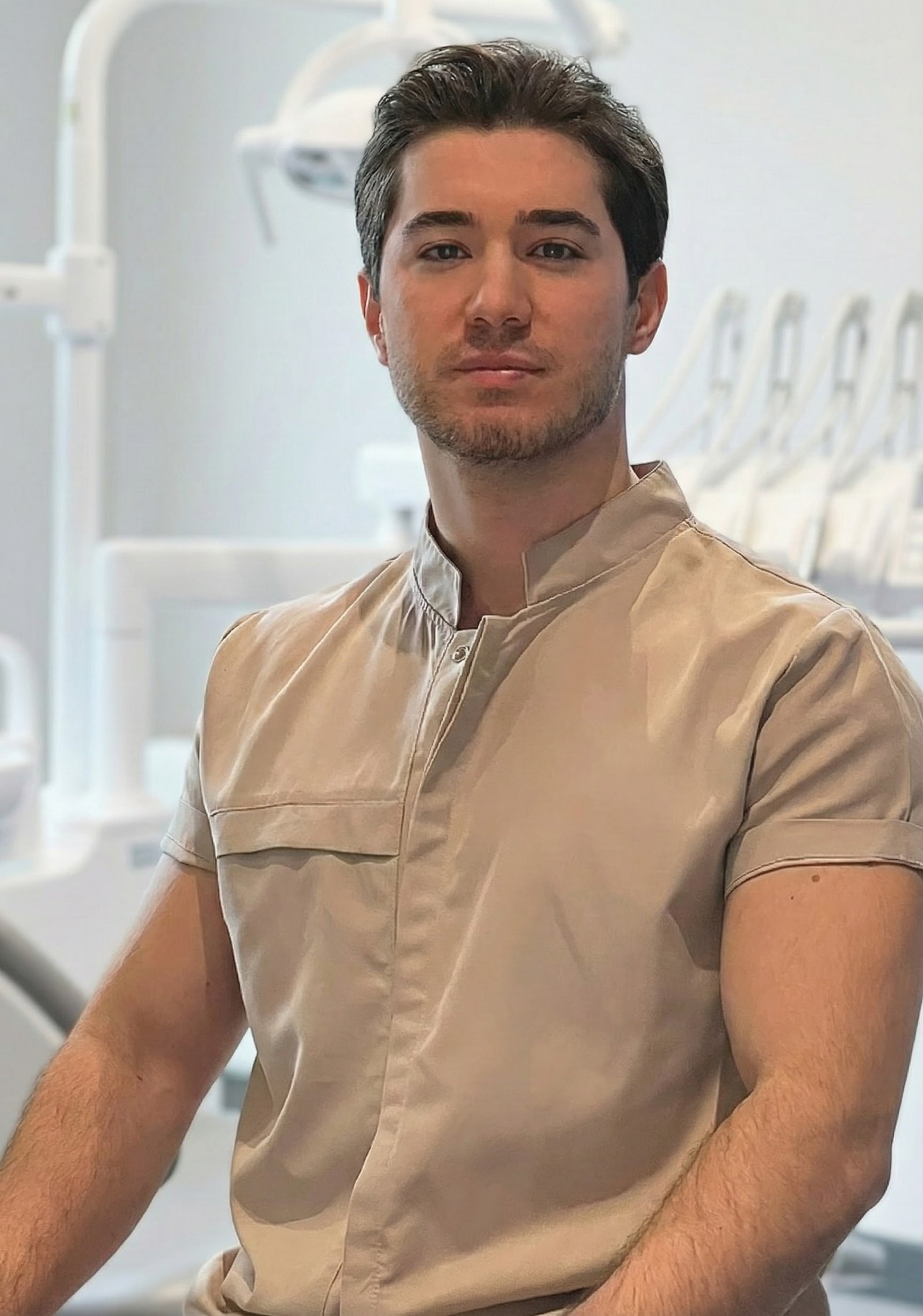
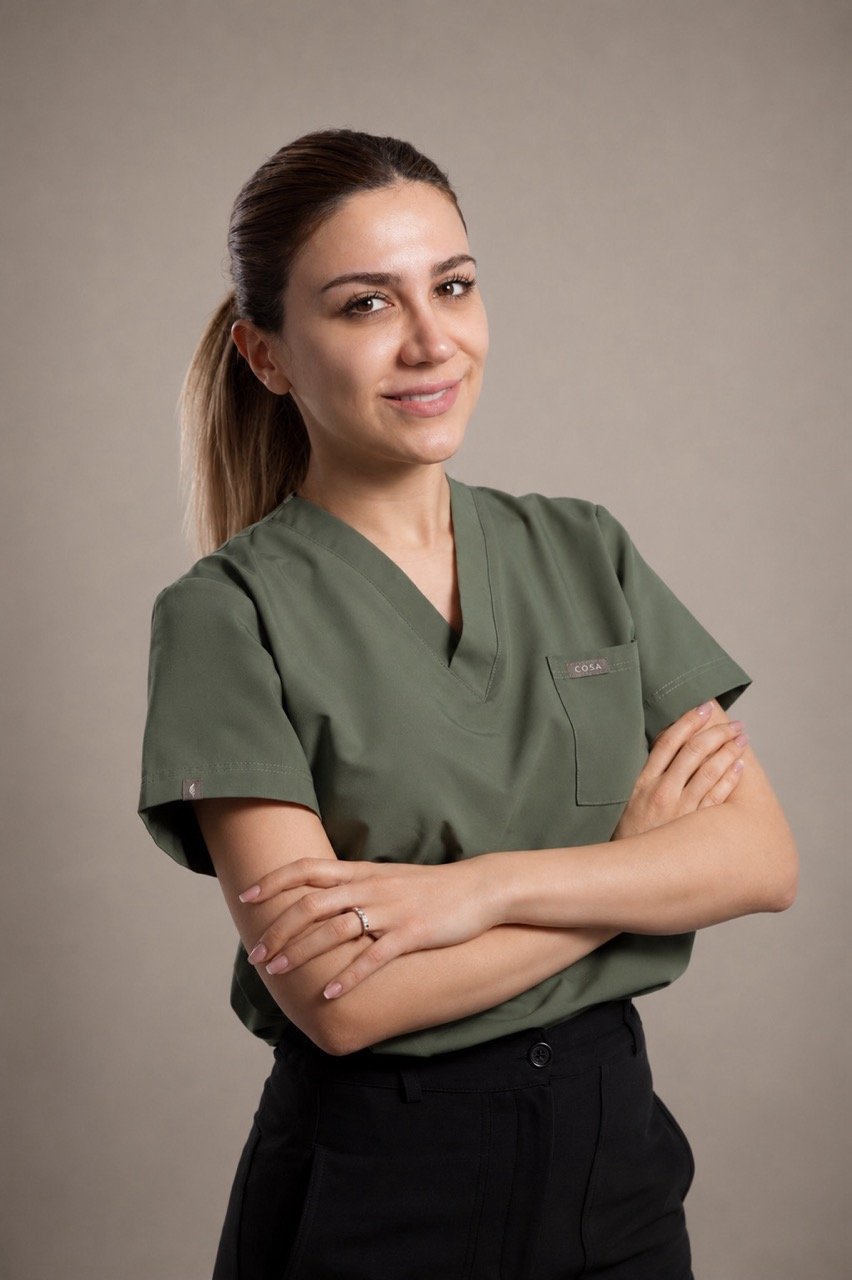
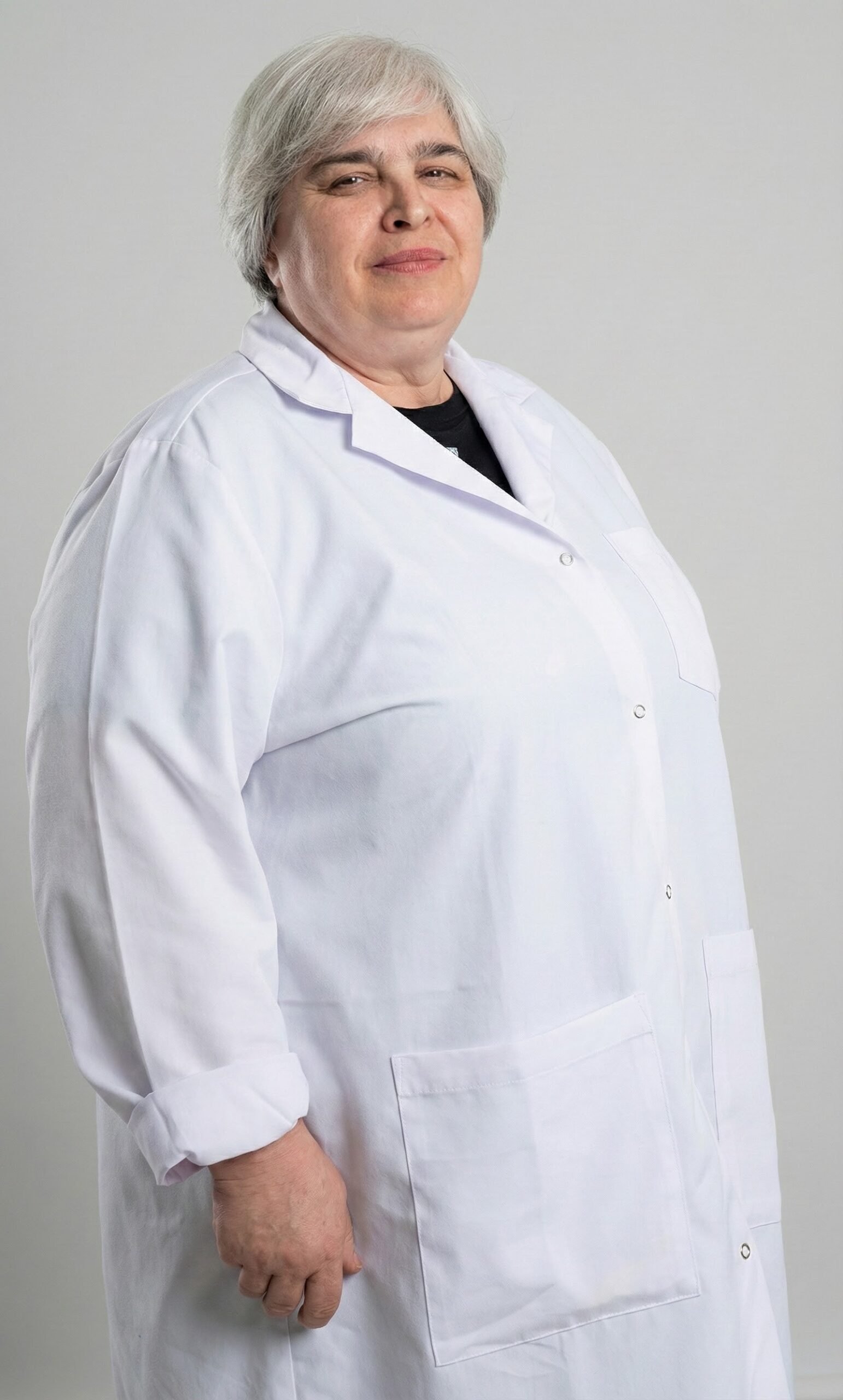
In high-end clinics, your treatment is planned and executed by oral surgeons who hold PhDs or professorships in oral implantology or maxillofacial surgery. These specialists have spent a minimum of 5 to 8 years in post-graduate clinical training beyond their general dentistry degree. They follow strict medical protocols, conduct thorough pre-operative CBCT scans, and perform surgeries in sterile, hospital-grade environments.
2. High-Volume "Assembly-Line" Clinics
Often referred to as "dental tourism factories," these clinics rely on aggressive marketing and rock-bottom prices. In these settings, treatments are frequently rushed, and surgeries may be performed by general dentists rather than certified oral surgeons. These clinics often cut corners on diagnostic planning and sterilization protocols to maximize patient turnover.
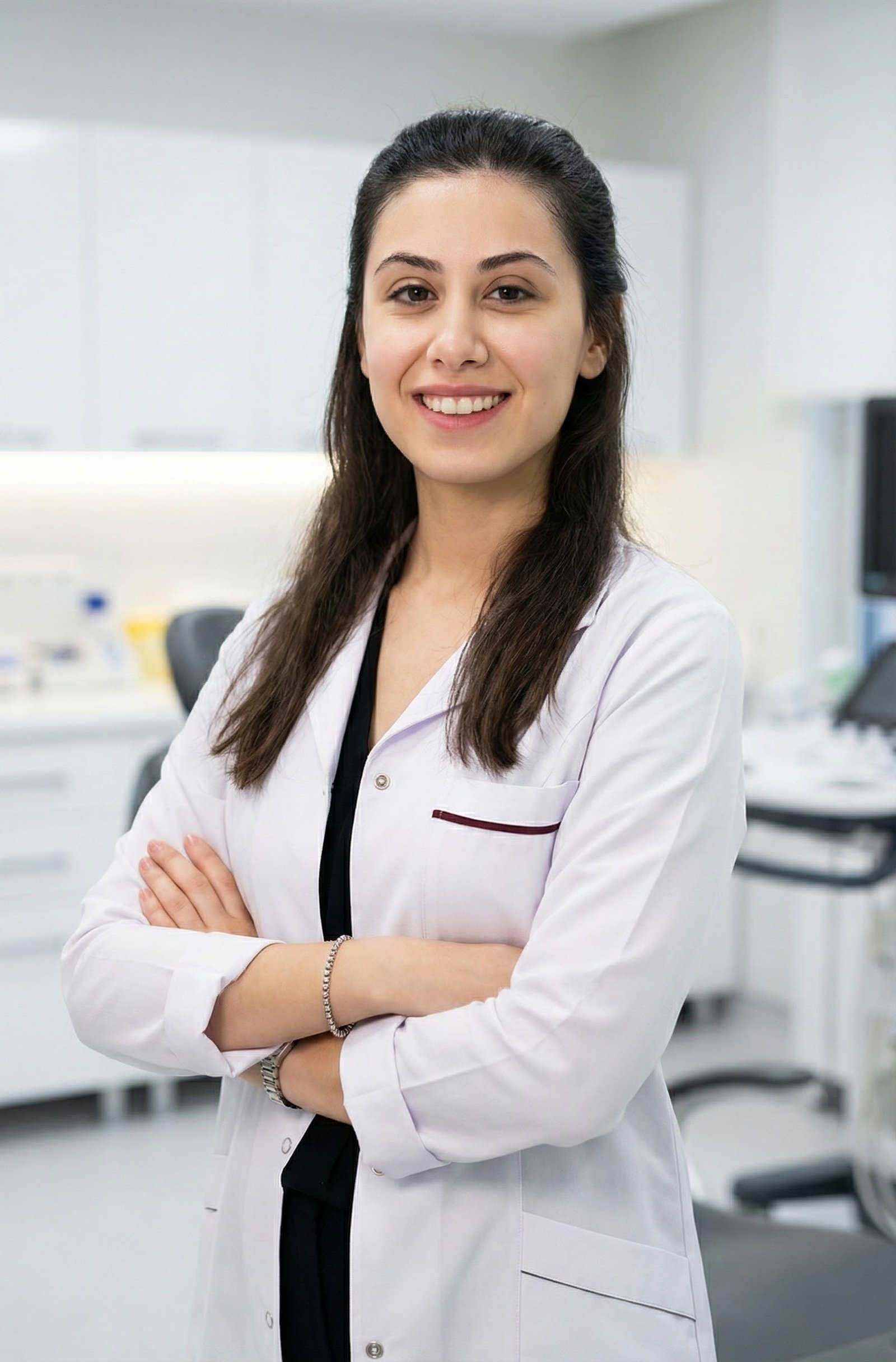
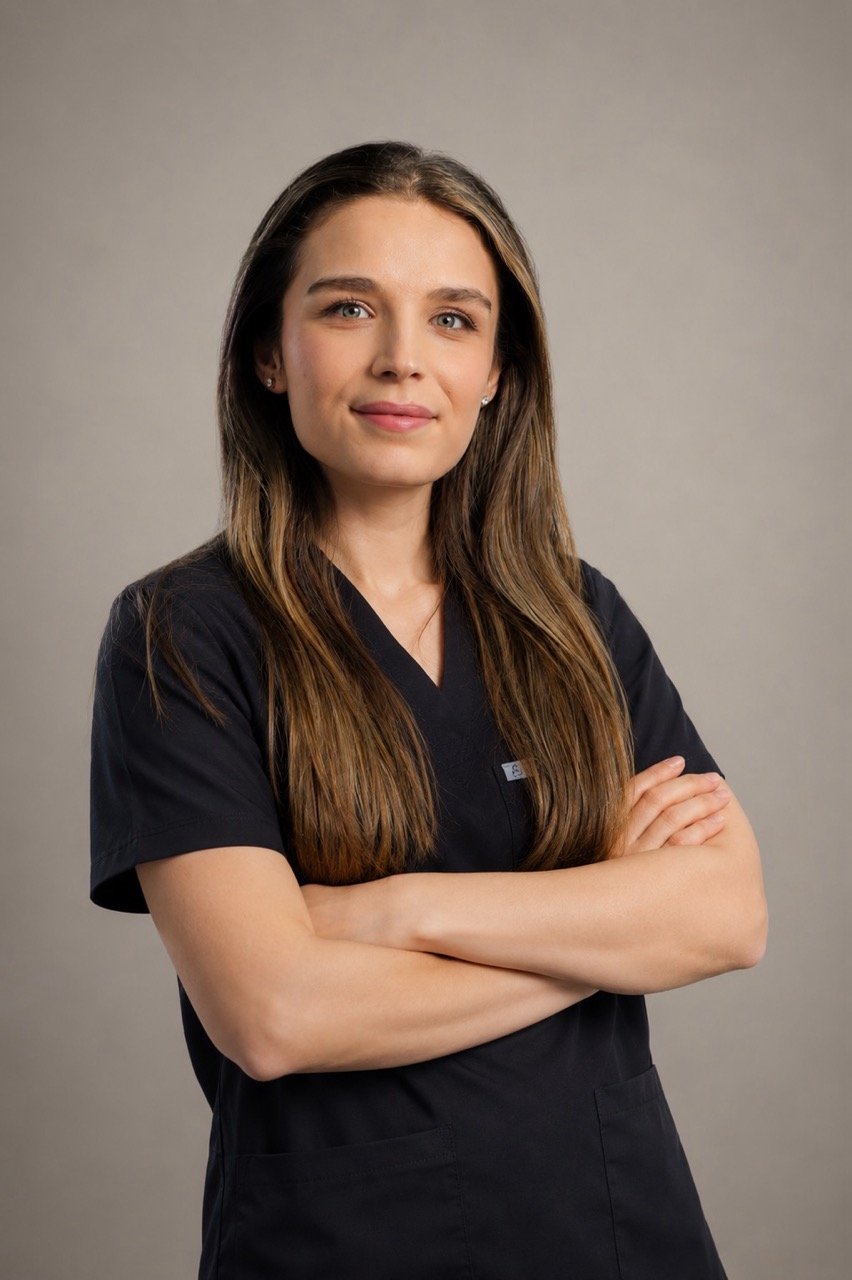
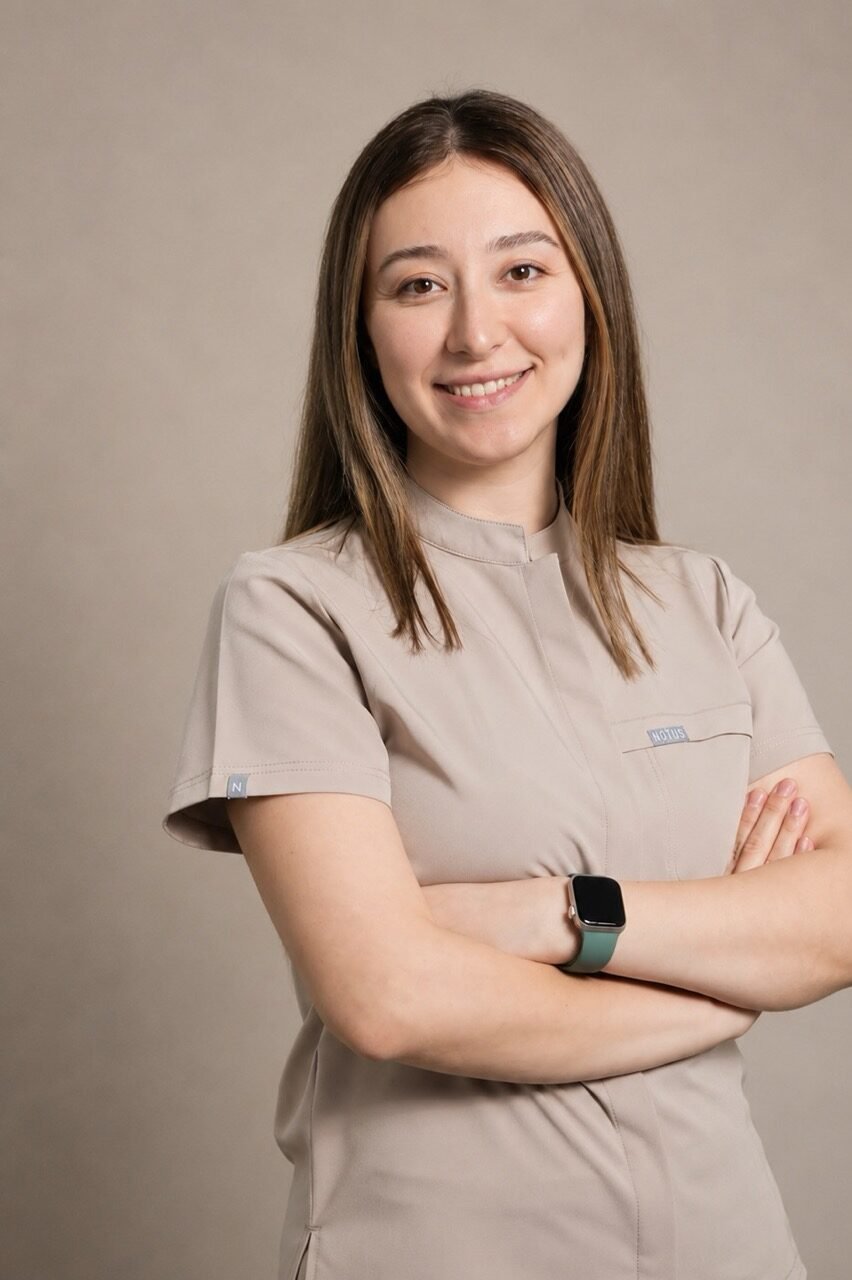
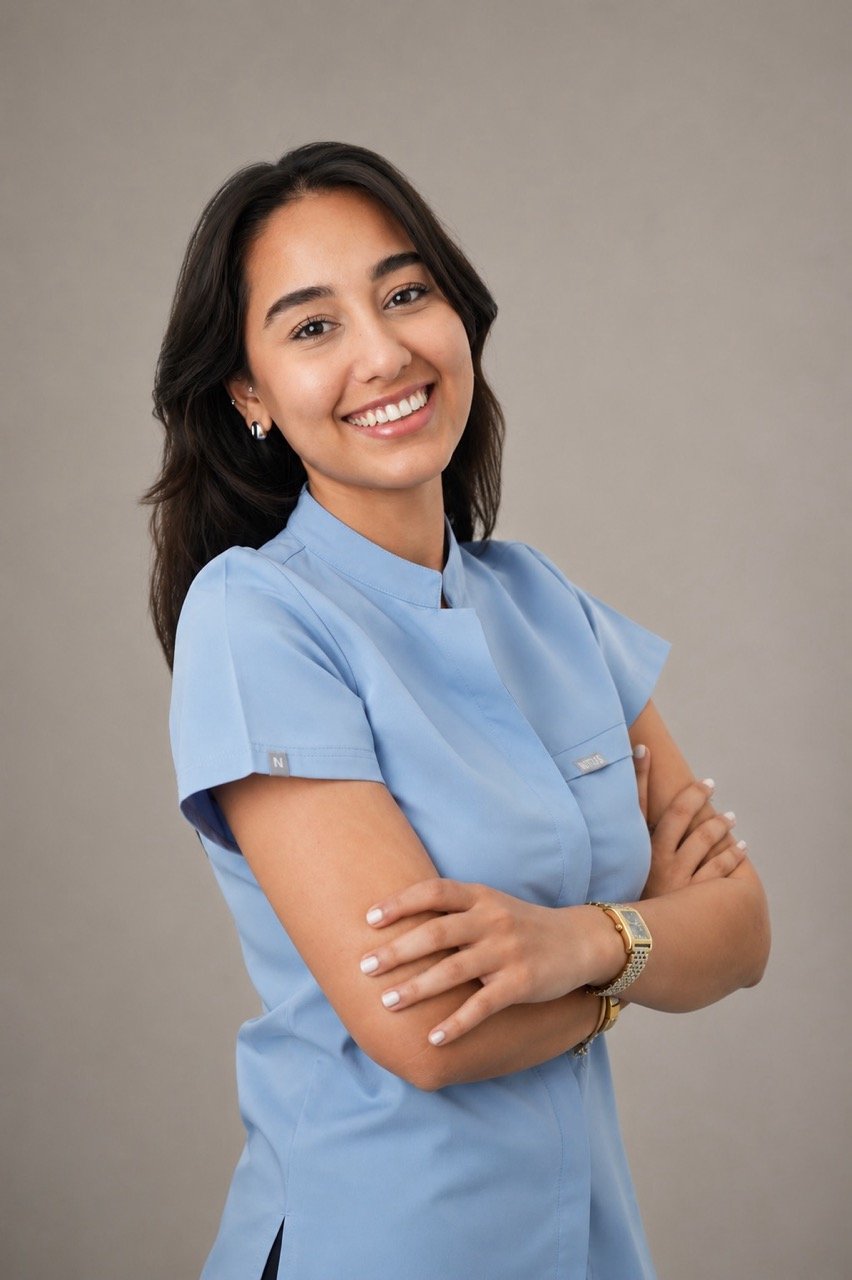
At Dent of Istanbul, we operate strictly under the specialist-led model. Every implant procedure is performed by our PhD-level oral surgeons, ensuring the highest standards of surgical precision and safety.
Key Safety Indicators for Dental Implants in Turkey
To ensure your dental implant journey is safe and successful, you must verify that your chosen clinic meets the following clinical benchmarks:
1. JCI Accreditation and Ministry of Health Licensing
The Joint Commission International (JCI) is the gold standard for global healthcare accreditation. Clinics with JCI accreditation adhere to rigorous patient safety and infection control standards. Additionally, any clinic treating international patients must hold an official Health Tourism Authorization Certificate from the Turkish Ministry of Health.
2. High-end Implant Brands with Lifetime Warranties
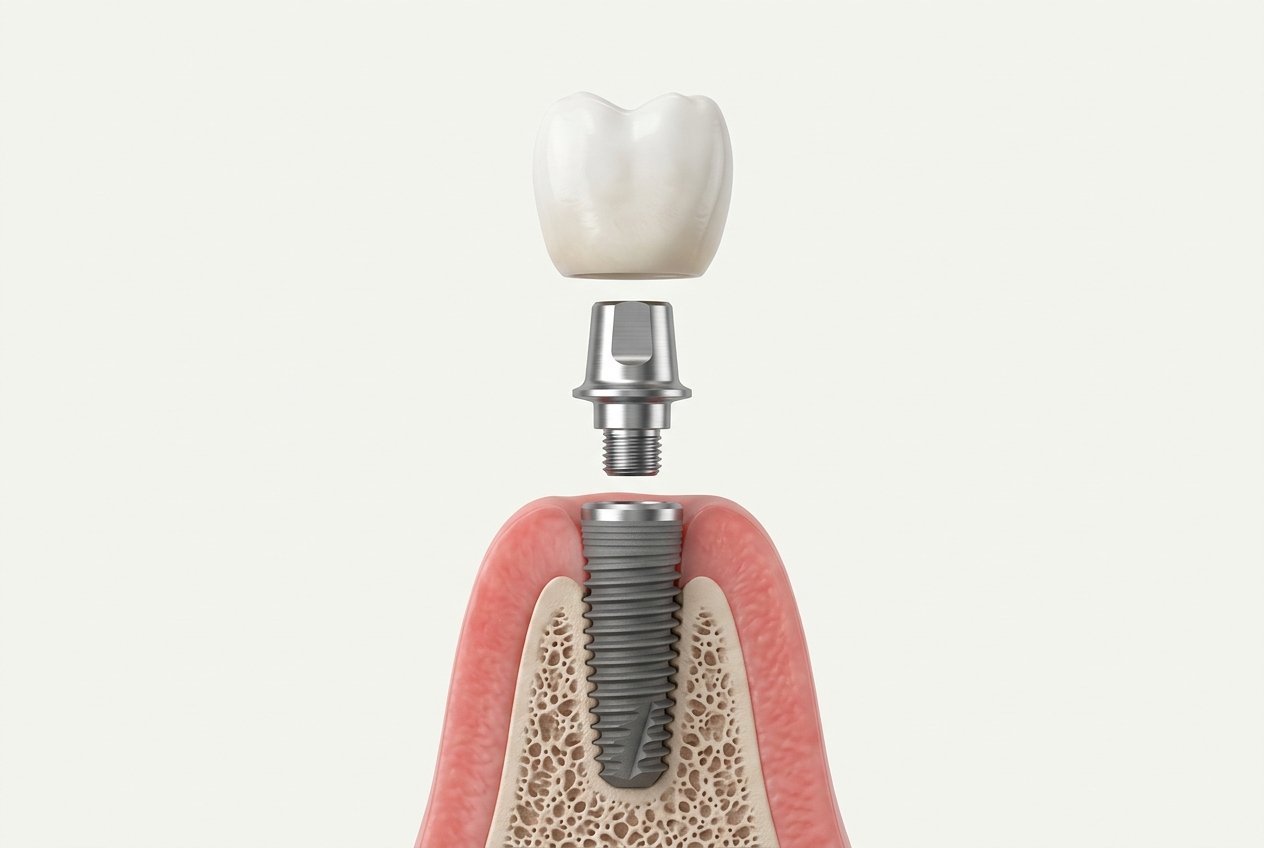
The safety and longevity of your implant depend heavily on the materials used. Reputable clinics only use internationally recognized, FDA-approved titanium or zirconia implant systems, such as:
- Straumann (Switzerland)
- Nobel Biocare (Sweden/USA)
- Osstem / Hiossen (South Korea/USA)
These brands offer lifetime global warranties and are backed by decades of clinical research. Avoid clinics that use generic or unbranded implants, as finding replacement parts in your home country will be nearly impossible if issues arise later.
3. Advanced 3D Diagnostic Imaging (CBCT)
An implant cannot be placed safely without a 3D Cone Beam Computed Tomography (CBCT) scan. A standard 2D X-ray is insufficient because it does not show bone density, volume, or the exact path of crucial nerves and blood vessels. Safe clinics use CBCT scans to digitally plan the precise angle and depth of the implant before making a single incision.
Understanding the Risks of Substandard Implant Dentistry
While dental implants have a global success rate of over 95%, choosing a substandard clinic increases the risk of serious complications, including:
- Implant Failure (Failure to Integrate): If an implant is placed in poor-quality bone without a necessary bone graft, or if surgical sterility is compromised, the bone will fail to fuse with the implant (failed osseointegration).
- Nerve Damage: Placing an implant too close to the mandibular nerve can cause permanent numbness in the lip, chin, and gums. This is almost always the result of poor 3D planning.
- Peri-Implantitis: This is an inflammatory disease that affects the tissue and bone surrounding the implant, often caused by bacterial contamination during surgery or poor post-operative hygiene.
A Patient's Safety Checklist for Dental Work in Turkey
Before booking your trip, use this checklist to audit any clinic you are considering:
- Who is performing the surgery? Demand the name and credentials of the specific dentist performing your surgery. Verify that they are a registered Oral and Maxillofacial Surgeon or Implantologist.
- What brand of implants will be used? Ask for the exact brand and ensure they provide an official implant passport/authenticity card after the procedure.
- Is a 3D CBCT scan included? Ensure that 3D imaging is performed before surgery.
- What is the aftercare protocol? A reputable clinic will provide detailed, written post-operative instructions, prescribe necessary medications (antibiotics, pain relievers, antiseptic mouthwash), and schedule follow-up examinations.
Conclusion: Prioritizing Quality Over Cost
Dental implants in Turkey can be completely safe, highly successful, and life-changing. The key is to avoid the temptation of the lowest price and instead focus on clinical excellence, specialist credentials, and JCI-level safety standards. By choosing a PhD-led clinic like Dent of Istanbul, you ensure that your new smile is built on a foundation of safety, certified high-end materials, and world-class medical expertise.