A successful dental implant relies entirely on a solid foundation: the jawbone. When a tooth is lost or extracted, the surrounding bone tissue no longer receives the mechanical stimulation of chewing, causing it to naturally resorb (shrink) over time. If too much bone is lost, there may not be enough volume or density to support a dental implant safely. In such cases, undergoing a preparatory bone graft dental implant turkey procedure, often combined with a sinus lift, is the key to ensuring the long-term success of your restoration.
This comprehensive guide explains the clinical necessity, procedures, and recovery timelines for bone grafting and sinus lifts at Dent of Istanbul.
Why is Jawbone Volume Critical for Dental Implants?
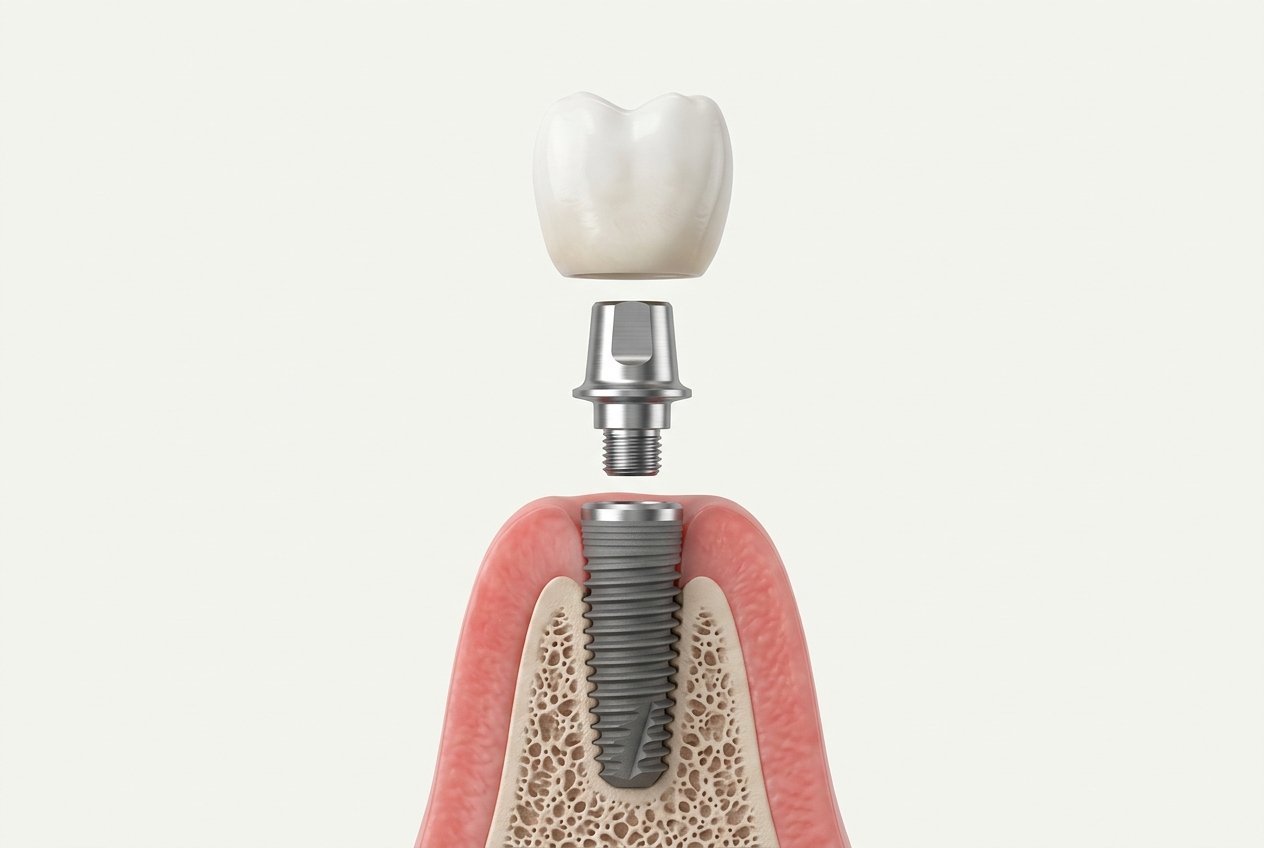
A dental implant behaves exactly like a natural tooth root. It must be completely surrounded by healthy, dense bone tissue to withstand the significant mechanical forces of biting and chewing. If an implant is placed in an area with insufficient bone, it cannot integrate properly (osseointegration), leading to implant mobility, infection, and eventual failure.
To prevent this, our specialists at Dent of Istanbul, led by Dr. Nilgün Başar, perform a detailed 3D CBCT scan during your initial consultation. This scan allows us to measure the exact height, width, and density of your jawbone, identifying any areas that require reinforcement before implant surgery.
Understanding Bone Grafting
Bone grafting is a minor surgical procedure where bone graft material is added to the deficient areas of your jawbone. This material acts as a scaffold, encouraging your body to deposit new bone cells and regenerate its own natural bone over time. There are several types of bone graft materials used in modern dentistry:
- Autogenous Grafts: Bone harvested from another part of the patient's own body (usually the chin or hip).
- Allografts: Sterile, processed bone tissue obtained from a human donor bank.
- Xenografts: Sterile, processed bone tissue derived from an animal source (typically bovine/cow). This is highly biocompatible and widely used.
- Alloplastic Grafts: Synthetic mineral materials (such as calcium phosphate or bioactive glass) that mimic natural bone.
At Dent of Istanbul, we primarily utilize high-end, clinically proven xenografts and synthetic materials to ensure maximum biocompatibility and rapid bone regeneration.
What is a Sinus Lift?
A sinus lift, or maxillary sinus elevation, is a specialized bone grafting procedure performed exclusively on the upper jaw (maxilla) in the area of the premolars and molars. The maxillary sinuses are air-filled cavities located just above your upper teeth. When upper back teeth are lost, the sinus floor naturally expands downward while the jawbone shrinks upward, leaving very little bone height between the mouth and the sinus cavity.
During a sinus lift, the oral surgeon makes a small opening in the bone, gently lifts the thin membrane that lines the sinus cavity, and fills the newly created space underneath with bone graft material. This increases the height of the bone, allowing for the safe placement of dental implants without risking sinus penetration.
The Procedure and Healing Timeline
Depending on the extent of bone loss, bone grafting and sinus lifts can be performed in one of two ways:
1. Simultaneous Placement (One-Stage Procedure)
If the bone deficiency is minor, the oral surgeon can place the bone graft (or perform a minor sinus lift) and insert the dental implant during the same surgical session. The implant and the graft heal together over the next 3 to 6 months.
2. Staged Placement (Two-Stage Procedure)
If there is severe bone resorption, a staged approach is necessary. The surgeon first performs the bone graft or sinus lift. The site is then allowed to heal and regenerate bone for 3 to 6 months. Once the new bone is fully formed and integrated, you return to Dent of Istanbul for the placement of your dental implants.
Post-Operative Care and Recovery
Proper aftercare is crucial for the success of a bone graft or sinus lift. Following surgery, patients should adhere to the following guidelines:
- Avoid Blowing Your Nose: If you had a sinus lift, blowing your nose can create pressure that displaces the graft material. If you need to sneeze, do so with your mouth open.
- Maintain a Soft Food Diet: Avoid chewing directly on the surgical site and stick to soft, nutritious foods for the first two weeks.
- Take Prescribed Medications: Always complete your course of antibiotics to prevent infection, and use prescribed anti-inflammatories and antiseptic mouthwash as directed.
Conclusion
While needing a bone graft or sinus lift adds an extra step to your dental implant journey, these procedures are highly predictable, safe, and essential for ensuring your new smile stands on a stable foundation. By choosing Dent of Istanbul, you benefit from advanced 3D planning, high-end biocompatible materials, and the expertise of specialist oral surgeons who prioritize your long-term oral health and comfort.