
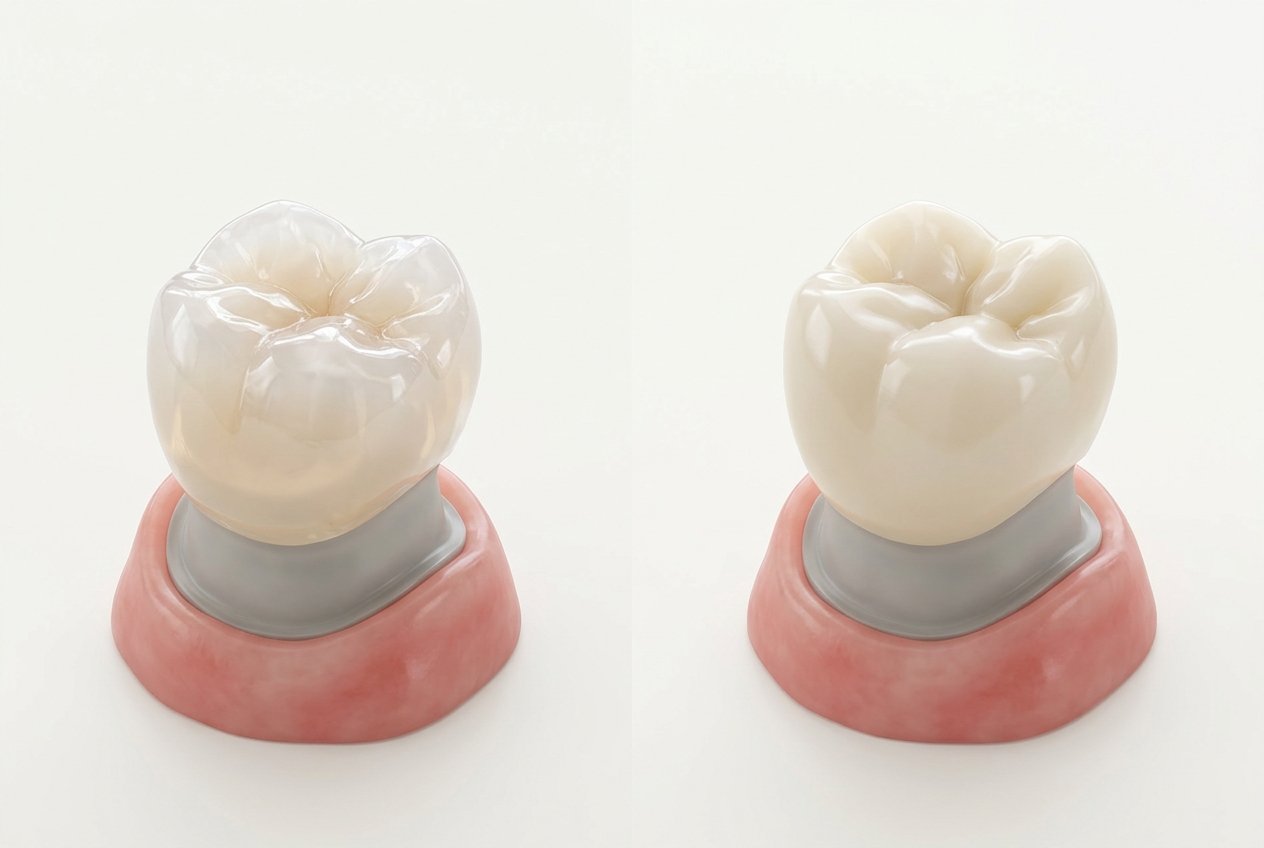
Cosmetic dental veneers have transformed smiles worldwide, becoming one of the most sought-after treatments in cosmetic dentistry abroad. International patients increasingly travel to destinations like Turkey, Mexico, and Thailand to access high-quality veneer treatments at a fraction of the cost they’d pay at home.
When you’re planning dental tourism, choosing between porcelain veneers and composite veneers becomes critical. This decision impacts not just your smile’s appearance but also your travel schedule, budget, and long-term satisfaction with the results. You need to understand the differences before booking your flight and dental appointment.
This article provides a detailed comparison of porcelain veneers vs. composite veneers specifically for international patients. You’ll discover how each option affects your treatment timeline, costs, durability, and aesthetic outcomes. Whether you’re considering cosmetic dentistry abroad for the first time or researching your options, this guide helps you make an informed decision that aligns with your travel plans and smile goals.
Understanding Veneers: Porcelain vs. Composite
When you’re exploring veneer options, understanding the fundamental differences in materials and construction helps you make an informed decision about your dental treatment abroad.
1. Definition of Porcelain Veneers
Porcelain veneers are ultra-thin ceramic shells, typically measuring 0.5mm to 1mm in thickness, custom-fabricated in dental laboratories to match your natural teeth. The veneer materials used in porcelain veneers consist of high-grade dental ceramics that mimic the light-reflecting properties of natural tooth enamel. Each porcelain veneer is crafted individually using advanced CAD/CAM technology and precision milling systems, creating a restoration that bonds permanently to your tooth’s front surface.
2. Definition of Composite Veneers
Composite veneers utilize tooth-colored resin materials applied directly to your teeth by the dentist. The veneer materials in composite options are made from a blend of plastic and fine glass particles, allowing the dentist to sculpt and shape the material chairside. This direct application method means your dentist builds up the veneer layer by layer, hardening each section with a special curing light.
3. Differences in Procedural Approaches
The procedural approaches differ significantly between these two types:
- Porcelain veneers require tooth impressions or digital scans sent to a laboratory, necessitating a waiting period while technicians craft your custom shells. You’ll return for a second appointment to have them bonded.
- Composite veneers allow your dentist to complete the entire transformation in one sitting, sculpting the resin directly onto your prepared teeth without laboratory involvement.
Key Differences Between Porcelain and Composite Veneers
When you’re deciding between these two veneer types, understanding their distinct characteristics becomes essential for making the right choice.
1. Natural Appearance and Light Reflection
Porcelain veneers deliver exceptional translucency that closely mimics natural tooth enamel. When light hits porcelain, it penetrates the surface and reflects back just like your real teeth would. This creates a depth and vitality that makes porcelain veneers virtually indistinguishable from natural teeth. Composite veneers, while improving in quality, typically appear more opaque and lack this dimensional quality. You’ll notice porcelain maintains a brilliant shine that composite materials struggle to replicate, even with professional polishing.
2. Stain Resistance Properties
The stain resistance difference between these materials significantly impacts your long-term satisfaction. Porcelain’s non-porous ceramic surface repels coffee, tea, red wine, and tobacco stains effectively. Composite resin, being more porous, absorbs pigments from foods and beverages over time. If you’re traveling abroad for veneers, you want results that maintain their pristine appearance years after you return home. Porcelain delivers this durability, while composite veneers may require more frequent touch-ups or replacements to maintain their aesthetic appeal.
Durability and Lifespan
Veneer durability stands as a critical factor when comparing porcelain veneers vs. composite veneers for international patients planning dental travel. The lifespan porcelain veneers offer reaches 10-15 years or more with proper care, making them a long-term investment in your smile. In contrast, the lifespan composite veneers provide typically ranges from 4-7 years before requiring replacement or touch-ups.
This significant difference stems from material strength. Porcelain’s ceramic composition resists wear, chips, and cracks better than composite resin. You’ll find that porcelain maintains its structural integrity through years of daily use—chewing, biting, and normal dental function.
Maintenance needs directly impact how long your veneers last:
- Porcelain: Requires standard oral hygiene but tolerates most foods and beverages without degradation
- Composite: Demands more careful attention to avoid staining substances and harder foods that may cause damage
- Both types: Benefit from regular dental check-ups and professional cleanings
Your lifestyle habits—teeth grinding, nail-biting, or using teeth as tools—affect both veneer types but compromise composite veneers more quickly. International patients must weigh whether the extended durability of porcelain justifies the higher initial cost and multiple-visit requirement.
Treatment Process and Invasiveness
The choice between porcelain and composite veneers significantly impacts your treatment timeline and the permanence of your decision.
Porcelain Veneers
Porcelain veneers require a more involved approach:
- Enamel Removal: Your dentist removes a thin layer of tooth enamel—typically 0.5mm—to accommodate the veneer thickness. This makes the procedure irreversible.
- Multiple Visits: You’ll need at least two to three visits: the first for tooth preparation and impressions, a waiting period while the lab crafts your custom veneers, and a final appointment for bonding.
- Longer Treatment Duration: The treatment duration spans several weeks from start to finish.
Composite Veneers
Composite veneers offer a gentler alternative:
- Minimal Enamel Removal: The dentist applies tooth-colored resin directly to your teeth with minimal or no enamel removal.
- Single Visit Treatment: Many patients complete their entire smile transformation in a single visit, walking out with their new veneers the same day.
- Preservation of Natural Tooth Structure: This approach preserves more of your natural tooth structure and provides flexibility—composite veneers can be adjusted, repaired, or removed if needed.
For international patients managing travel schedules, this difference becomes critical. Porcelain requires coordinating multiple trips or extending your stay abroad, while composite allows you to complete treatment within a short vacation window.
Cost Considerations for International Patients Choosing Dental Veneers Abroad
When considering dental veneers abroad, it’s important to understand the cost factors involved. Here’s what you need to know:
1. Comparing Costs: Porcelain vs. Composite Veneers
Veneer cost comparison reveals significant price differences between the two options. Porcelain veneers typically cost twice as much as composite alternatives, with prices ranging from $800-$2,500 per tooth in Western countries. Composite veneers offer a more budget-friendly entry point at $250-$1,500 per tooth.
2. The Impact of Affordable Dental Travel Destinations
However, affordability dental travel destinations like Turkey have transformed the equation entirely. At clinics such as Dentofistanbul, you can expect to pay 50-70% less than prices in the UK, US, or Australia while receiving the same quality materials and expertise. A full set of porcelain veneers that might cost $15,000-$20,000 in North America could run $5,000-$8,000 in Turkish clinics.
3. Additional Expenses to Consider
Treatment expenses abroad extend beyond the procedure itself. You need to factor in:
- Flight costs to your chosen destination
- Accommodation for multiple nights (especially relevant for porcelain veneers requiring 2-3 visits)
- Local transportation and meals
- Travel insurance covering dental procedures
4. The Advantage of Composite Veneers for International Patients
The cost advantage of composite veneers becomes even more pronounced for international patients. You can complete the entire treatment in one visit, reducing accommodation expenses and allowing for shorter trips. This single-visit benefit makes composite veneers particularly attractive when calculating total travel costs alongside the procedure itself.
Why International Patients Choose Dental Veneers Abroad?
Dental tourism destinations have changed how patients view cosmetic dentistry, with Turkey dental clinics leading this global trend. Countries like Turkey, Mexico, Thailand, and Hungary attract thousands of international patients each year, offering veneer treatments at 50-70% lower costs than Western countries.
Affordable yet High-Quality Care
Turkey dental clinics stand out by combining affordability with advanced technology. When you visit these facilities, you’re accessing modern digital smile design software that creates precise 3D visualizations of your future smile before any procedure begins. These clinics use certified materials that meet international quality standards, including FDA-approved porcelain and composite resins.
Safe and Hygienic Environment
The appeal extends beyond price. You receive treatment in facilities adhering to European sterilization standards, ensuring safety protocols match or exceed what you’d find in your home country. Many Turkish dental centers hold international accreditations and employ dentists trained in both local and Western institutions.
Transparent Consultations
When Comparing Porcelain Veneers vs. Composite Veneers for International Patients, these clinics provide comprehensive consultations explaining both options with transparent pricing structures.
Comprehensive Packages
The infrastructure supporting dental tourism has matured significantly. You can now book all-inclusive packages covering your treatment, accommodation, airport transfers, and post-procedure care through dedicated patient coordinators.
Communication & Patient Support Services Provided by Clinics Abroad
Multilingual dental teams are the key to successful international dental care. Leading clinics have professionals who speak English, German, Russian, Arabic, and Turkish fluently, so you don’t have to worry about explaining your dental issues in a language you’re not comfortable with. This language support in dental care goes beyond just translation—coordinators will help you understand treatment plans, answer questions about procedures, and explain aftercare instructions in your own language.
Patient communication abroad involves dedicated support from the moment you first reach out until after your treatment is complete. Clinics have personal coordinators assigned to you who will take care of scheduling appointments, arranging airport transfers, recommending places to stay nearby, and being available on WhatsApp or phone throughout your visit. You’ll receive detailed treatment documents in the language you prefer, including digital previews of your smile and itemized breakdowns of costs. This all-inclusive approach tackles the specific difficulties you face as an international patient, such as dealing with unfamiliar healthcare systems and coordinating travel arrangements around your dental appointments.
Safety & Hygiene Protocols Followed by Top Clinics Abroad
When comparing porcelain veneers vs. composite veneers for international patients, safety standards remain consistent regardless of your choice. Reputable clinics abroad adhere to European sterilization protocols, ensuring the same rigorous dental clinic hygiene standards you’d expect at home. You’ll find modern autoclaves sterilizing instruments between each patient, single-use disposable items for cross-contamination prevention, and regular facility inspections maintaining certification compliance.
Top international dental centers implement:
- Strict instrument sterilization following EU medical device regulations
- Air filtration systems maintaining clean treatment environments
- Disposable barriers on all surfaces and equipment
- Regular staff training on infection control procedures
These protocols apply equally whether you’re receiving porcelain or composite veneers, giving you peace of mind during your dental tourism journey.