For anyone considering full-mouth reconstruction or single-tooth replacement, the decision to undergo surgery represents a significant emotional and financial investment. When researching the procedure online, it is easy to become overwhelmed by stories of "Turkey teeth gone wrong" or implant rejections. If you are experiencing persistent discomfort or feel a slight wiggle in your implant months after surgery, it is natural to worry. Let's look at exactly why this happens, how to identify it, and how we resolve it.
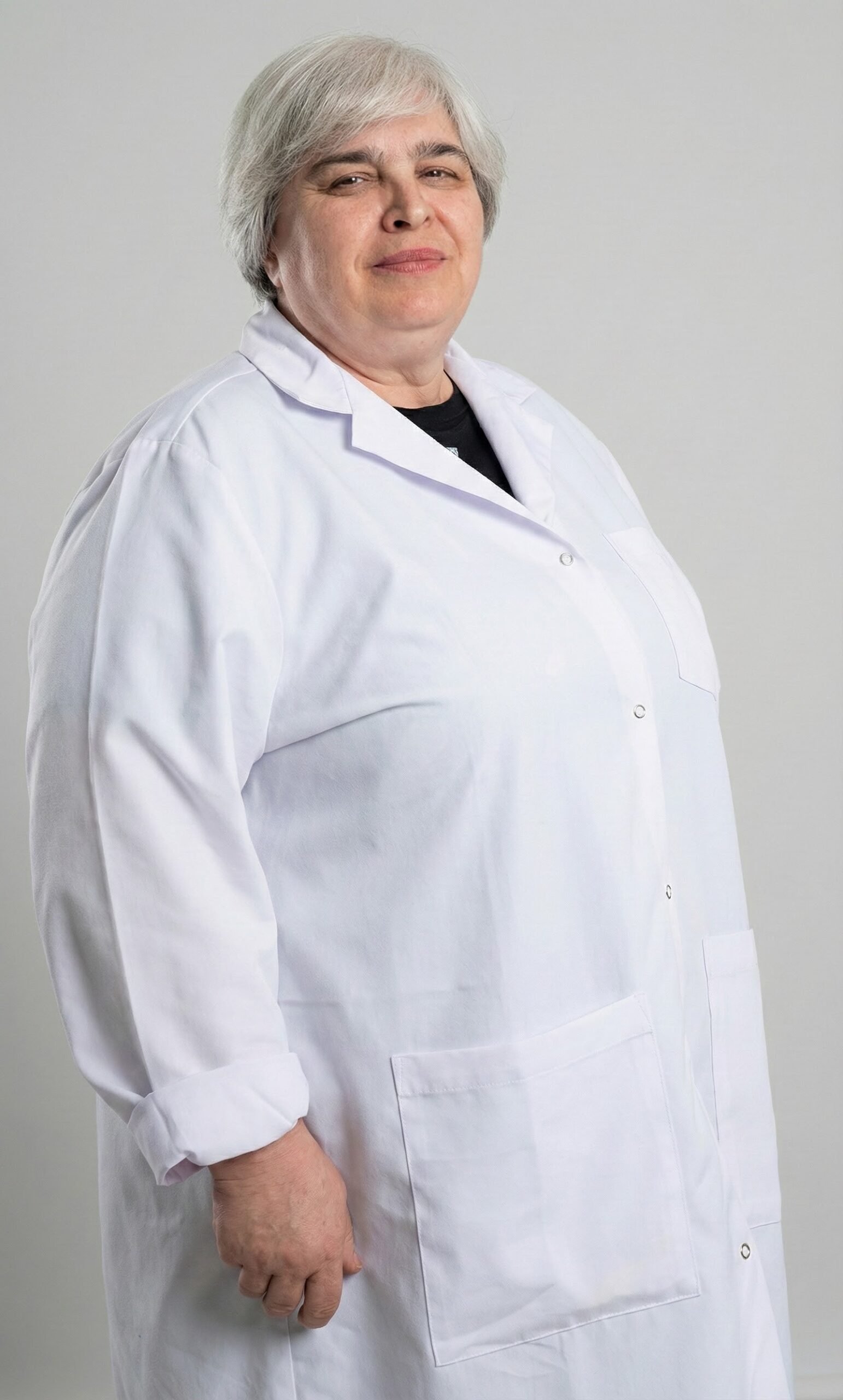
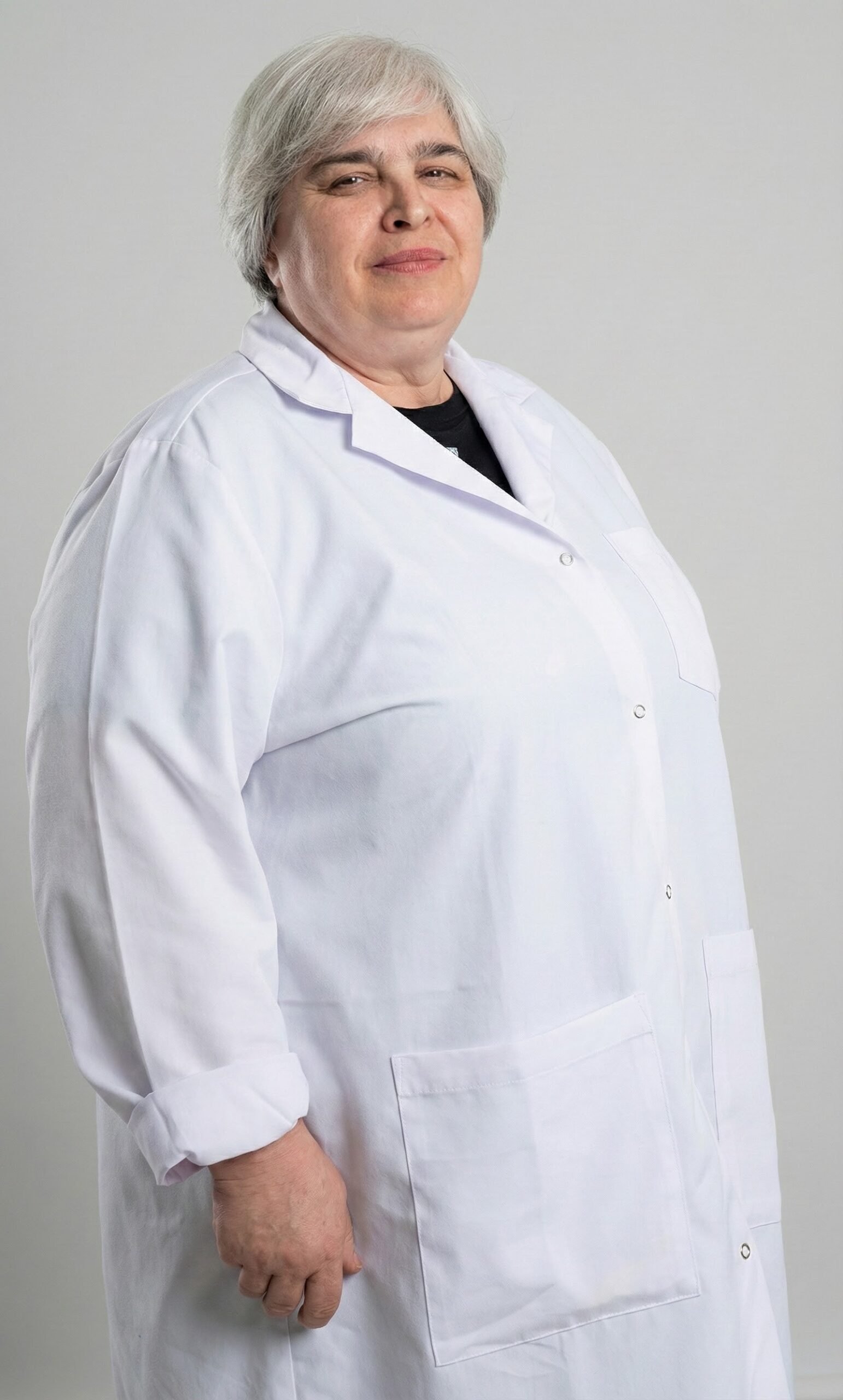
The clinical reality is reassuring: dental implants have a global success rate of 95% to 98%. However, this also means that 2% to 5% of implants do experience complications or fail to bond. At Dent of Istanbul, we believe in complete transparency. We do not minimize the risks of implant surgery. Instead, under the clinical guidance of Dr. Nilgün Başar, Head of Oral & Maxillofacial Surgery, we have established a strict, zero-cost complication protocol and a lifetime guarantee to ensure that if you fall into that small percentage, your smile is fully protected.
Early vs. Late Dental Implant Failure: What is the Difference?
Complications can occur at different stages of the healing process. Understanding when and why an implant might fail helps set realistic expectations for your recovery.
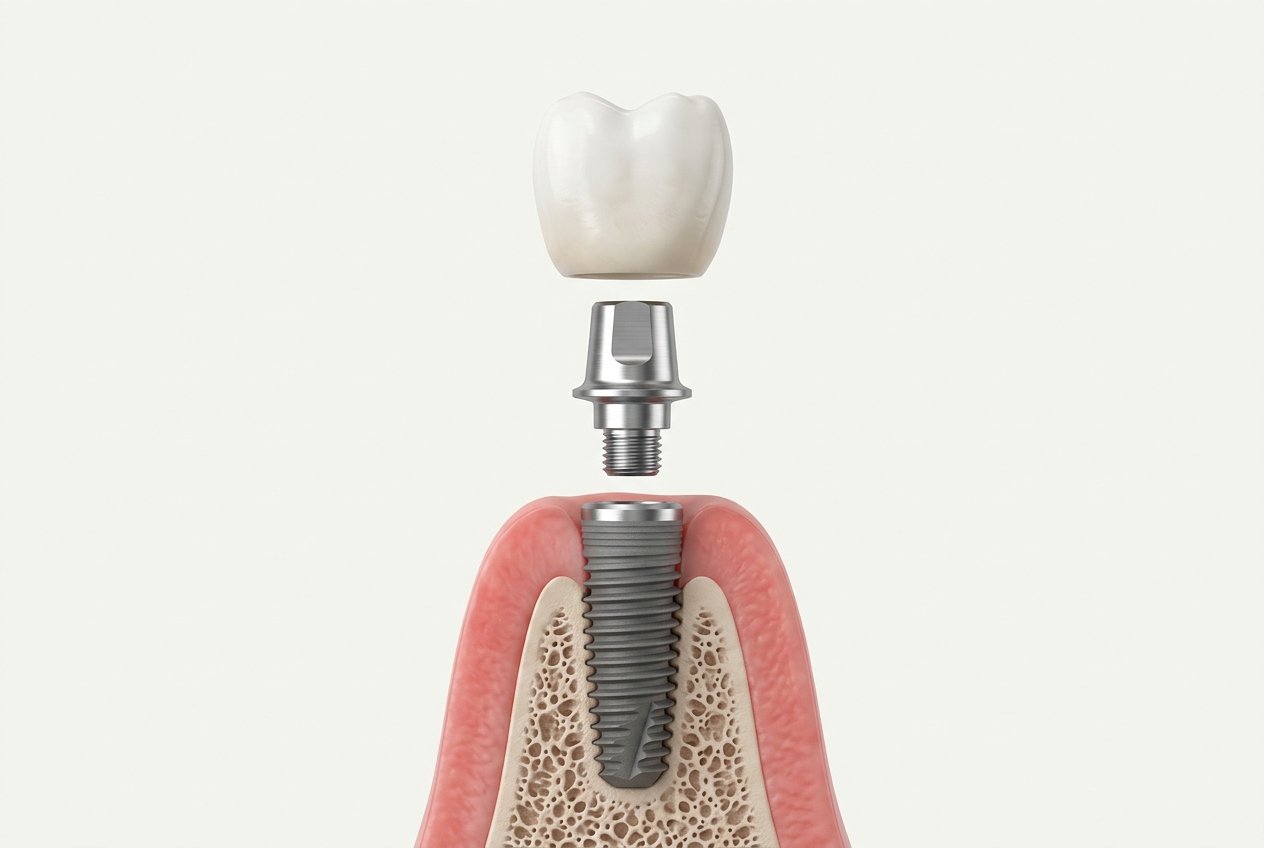
Early Failure: Why an Implant Fails to Bond (First 3–6 Months)
Early implant failure occurs during the osseointegration phase—the period when the surrounding jawbone must grow into the microscopic grooves of the titanium screw. In the first few weeks, the bone is actively remodeling. Any tiny movement can disrupt this fragile process. If the bone fails to fuse with the metal, a thin layer of fibrous tissue forms around the screw instead of dense bone, preventing a stable bond. This can be caused by insufficient bone density, micro-movements (such as chewing on a temporary crown too early), uncontrolled diabetes, smoking, or surgical overheating of the bone during placement. At Dent of Istanbul, we prevent early failures by using low-radiation 3D CBCT scans to map bone volume in three dimensions, performing bone grafts prior to surgery if the density is lacking.
Late Failure: Complications Years Down the Road
Late implant failure occurs after the implant has successfully fused and has been functioning under a crown for months or years. The primary cause of late failure is peri-implantitis, a progressive bacterial infection of the gums and bone surrounding the implant. Similar to gum disease around natural teeth, peri-implantitis is caused by plaque accumulation. If left untreated, the bacteria destroy the supporting bone, causing the implant to become loose. Another cause of late failure is mechanical overload, which occurs when constant clenching or grinding (bruxism) places excessive lateral forces on the implant, eventually fracturing the screw or damaging the surrounding bone.
The Warning Signs: Failed Dental Implant Symptoms
It is important to distinguish between normal post-operative healing and actual signs of implant complications. During the first two weeks, mild swelling, a dull ache manageable with ibuprofen, and slight tenderness when brushing are completely normal. However, you should contact our clinical team if you experience any of the following symptoms:
- Mobility: The implant screw itself moves, wiggles, or rotates. Note that a loose crown or abutment is a minor mechanical issue that can be easily tightened; a loose implant screw, however, indicates a failure of the bone bond.
- Severe, Throbbing Pain: Pain that intensifies after the first week and does not respond to standard painkillers.
- Active Pus or Drainage: A yellow or green discharge from the gums around the implant, indicating an active infection.
- Significant Gum Recession: The gums pull back, exposing the silver metal of the implant screw.
Have You Received Implants Elsewhere and Feel Something is Wrong?
Do not wait. Send your digital panoramic X-ray or 3D CBCT scan to our clinical team via WhatsApp. Dr. Nilgün Başar will personally review your imaging and provide a clinical opinion on whether your implant is salvageable.
Submit Your X-Ray for Review via WhatsAppHow Dent of Istanbul Minimizes the Risk of Implant Failure
Our clinic maintains an exceptionally high implant success rate by adhering to strict clinical standards and utilizing advanced technology.
1. Specialized Maxillofacial Surgery
In many dental clinics, implants are placed by general dentists. At Dent of Istanbul, all implant surgeries are led by specialist oral and maxillofacial surgeons like Dr. Nilgün Başar. Her advanced training in bone reconstruction and complex implant placement ensures that even the most challenging cases are handled with surgical precision.
2. Three-Dimensional Surgical Planning
We do not rely on traditional 2D X-rays to plan surgeries. Every patient receives a 3D CBCT scan, allowing us to visualize the jawbone structure, nerve pathways, and sinus cavities in three dimensions. This enables us to plan the exact angle, depth, and size of the implant, reducing the risk of surgical complications to near-zero.
3. High-end Swiss & German Implant Systems
We only use high-end, FDA-approved titanium implants from industry leaders like Straumann and Nobel Biocare. If a patient ever needs a replacement part 10 years later in their home country, any local dentist can source the components. We provide every patient with an official passport booklet containing the exact serial numbers of the implants used.
The Treatment Protocol: How We Treat and Fix a Failed Dental Implant
If an implant fails, we follow a structured, pain-free protocol to remove the failed fixture, rebuild the bone, and place a new implant safely.
- Diagnosis: We perform a 3D CBCT scan to evaluate the condition of the surrounding bone and determine the cause of the failure.
- Gentle Removal & Cleaning: Under local anesthesia, the surgeon gently removes the loose implant. The socket is thoroughly cleaned of any inflamed tissue, bacteria, or fibrous capsule.
- Bone Regeneration: We place a localized bone graft into the socket to rebuild the bone foundation. This is crucial to ensure there is enough healthy bone to support a new implant.
- Healing Phase: The area is left to heal for 3 to 4 months, allowing the bone graft to integrate and strengthen.
- Re-placement: Once the bone has fully recovered, we place a new titanium implant under our standard surgical protocols.
Our Lifetime Guarantee & Complication Policy
To provide our patients with absolute peace of mind, we stand behind the quality of our work with a clear, legally backed warranty. The titanium implant screw itself carries a lifetime guarantee. If the implant fails to integrate with the jawbone during the initial healing phase, we will remove and replace the implant, including any necessary localized bone grafting, at no additional treatment cost during your follow-up visit.
Additionally, we coordinate travel and accommodation adjustments if a patient needs an extra day of clinical observation. Our clinical team provides a structured aftercare guide and schedules mandatory digital check-ins at 1 week, 1 month, and 3 months via high-resolution photos and local X-rays, ensuring your healing process is monitored every step of the way.
Restore Your Smile with Confidence
While the fear of surgical complications is understandable, choosing a clinic that combines specialist expertise, advanced 3D planning, and certified high-end materials reduces the risk of implant failure to a minimum. If a complication does occur, our transparent guarantee policy ensures that you are fully supported without facing unexpected financial burdens.
If you are ready to discuss your dental restoration or have concerns about existing implants, we invite you to take the first step. Contact us today to schedule a virtual consultation with Dr. Nilgün Başar, and let our specialists help you achieve a healthy, lasting smile.