Osteoporosis is a common condition that gradually thins and weakens bones, making them more fragile. Since dental implants need to fuse directly with the jawbone to succeed (a process called osseointegration), many people diagnosed with osteoporosis naturally wonder: Is it safe for me to get dental implants?
The short answer is yes. Having osteoporosis doesn't mean you can't get dental implants, nor does it mean your treatment is going to fail. Studies show that with proper planning, the right surgical techniques, and careful care, success rates for dental implants in patients with osteoporosis are nearly identical to those of anyone else. At Dent of Istanbul, Dr. Nilgün Başar and our surgical team use advanced planning and gentle techniques to make sure your treatment is both safe and successful.
How Osteoporosis Affects the Jawbone
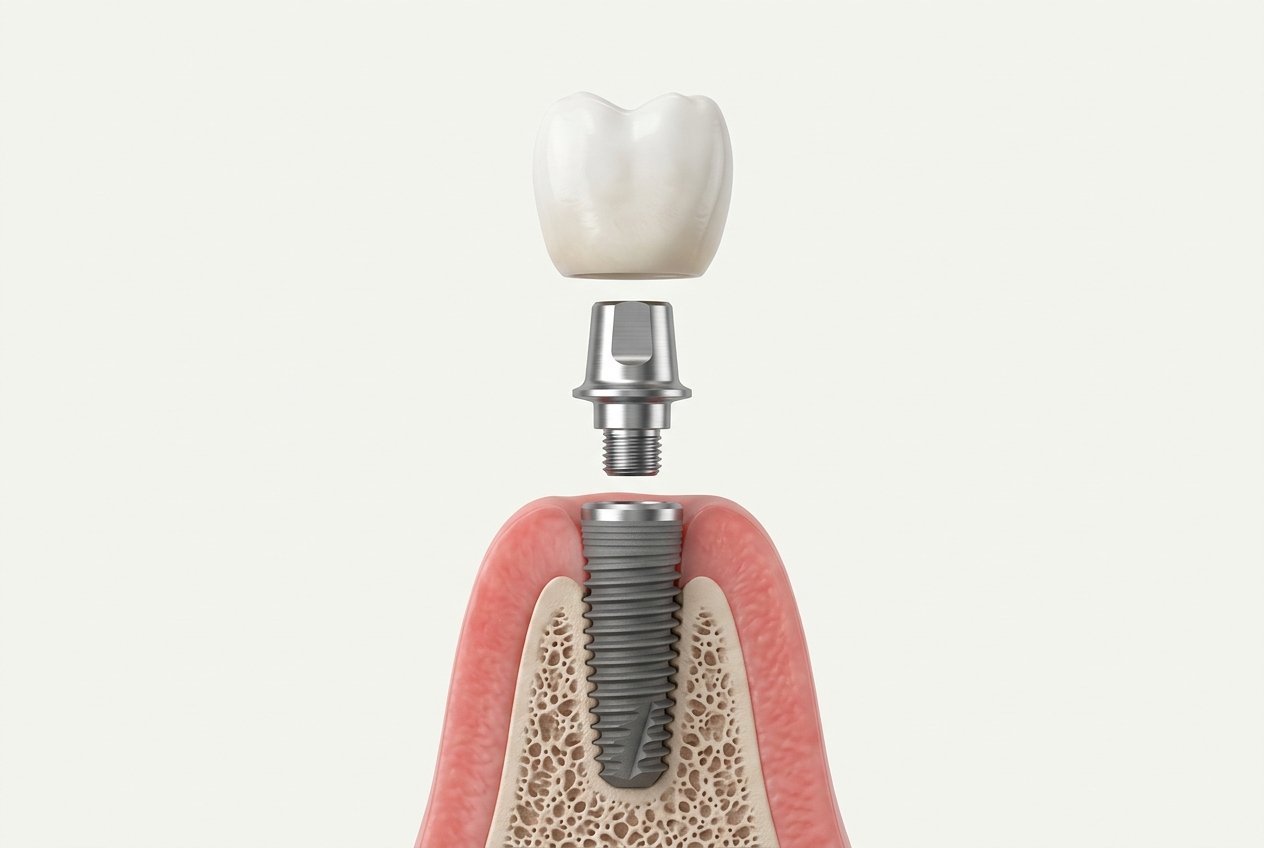
Although osteoporosis affects bones throughout the body, its impact on the jawbone is a bit different. Your jawbone has a dense outer layer and a softer, spongy inner layer. Implants rely on both for support. With osteoporosis, that inner spongy bone can become more porous, which sometimes reduces the initial 'grip' or stability of the implant when it's first placed.
Fortunately, your body's ability to heal and grow new bone around the implant remains active. Titanium is highly biocompatible, which means bone cells naturally want to attach to it. Even in bone that is less dense, these cells will gradually grow around the implant surface, locking it securely into place over time.
The Role of Osteoporosis Medications (Bisphosphonates)
One important thing to consider when planning dental implants with osteoporosis is any medication you might be taking. The most common treatments are bisphosphonates, such as Fosamax, Actonel, or Boniva. These medications work by slowing down the cells that break down bone, helping to keep your bones stronger.
In rare cases, bisphosphonates, particularly high-dose intravenous forms used in cancer treatments, can interfere with bone healing after oral surgery. This is a condition known as Medication-Related Osteonecrosis of the Jaw (MRONJ). However, for patients taking standard oral tablets for osteoporosis, the risk of this happening is extremely low, estimated at less than 0.1%.
At Dent of Istanbul, Dr. Nilgün Başar and our surgical team will carefully review your medical history and any medications you take. Occasionally, we might consult with your doctor to see if a temporary break from your medication, often called a 'drug holiday,' would be helpful before and after surgery, though this is usually not necessary for oral medications.
Specialized Implant Protocols at Dent of Istanbul
To make sure your treatment is as safe and successful as possible, we adapt our approach for patients with lower bone density:
1. High-Resolution 3D CBCT Imaging
We use a 3D CBCT scan to check the exact volume and density of your jawbone. This helps us find the strongest parts of the bone and plan the exact placement of your implants to get the best possible stability.
2. Bone Grafting and Sinus Lifts
If the bone where the implant needs to go is too thin, we can perform a simple bone graft. By placing bone graft material in the area, we help your body build a solid foundation of new, dense bone. In the upper jaw, we can also perform a sinus lift to gently lift the sinus membrane and create more room for the implant.
3. Choice of High-end Implant Designs
We choose high-end implant brands, such as Straumann or Nobel Biocare, which have specialized designs and surface treatments created specifically to hold securely in softer bone. These advanced implants help speed up healing and provide excellent long-term reliability.
4. Extended Healing Timelines
While many patients can get their permanent crowns in about three months, we often recommend waiting four to six months if you have osteoporosis. Giving the bone a little extra time to heal and mature around the implant ensures it's completely stable before you start chewing on it.
Your Journey to a Secure Smile
Having osteoporosis shouldn't stand in the way of getting a healthy, functional smile. By choosing Dent of Istanbul, you'll be in the hands of experienced specialists who use the latest technology to ensure a safe procedure. Feel free to contact our team today to schedule a digital consultation. We can put together a personalized treatment plan that is tailored specifically to your health and needs.