For many patients, the decision to undergo dental implant surgery represents a major clinical step toward restoring their oral health and self-confidence. However, it is entirely natural to feel anxious about what happens after you leave the surgical chair. The fear of experiencing severe pain, encountering unexpected complications, or accidentally damaging your new restoration by eating the wrong foods can make the recovery phase feel daunting.
A successful dental implant treatment depends as much on your post-operative care as it does on the skill of the surgeon. Under the clinical guidance of Dr. Nilgün Başar, Chief Physician at Dent of Istanbul, we ensure our patients are fully prepared for every stage of their recovery. By using high-end, biocompatible titanium implant systems like Straumann and Nobel Biocare, operating under strict European sterilization protocols, and providing a structured, day-by-day healing plan, we help make your recovery comfortable, predictable, and virtually pain-free.
The Critical First 24 Hours: Immediate Post-Surgery Protocols
The first day after your surgery is the most important period for establishing a stable foundation for healing. Your primary focus should be on protecting the surgical site and allowing the initial blood clot to form.
Managing the Effects of Anesthesia
As the local anesthetic begins to wear off, you will gradually regain sensation in your lips, tongue, and cheeks. To prevent accidental biting of your soft tissues, you must avoid eating or drinking hot liquids until the numbness has completely resolved. It is best to rest quietly with your head elevated on a pillow.
Controlling Bleeding and Protecting the Clot
To control initial bleeding, bite firmly on the sterile gauze pack placed over the surgical site for 30 to 45 minutes. A slight oozing of blood, which may color your saliva pink, is entirely normal during the first 24 hours. The blood clot that forms in the socket is your body's natural barrier, protecting the bone and nerves beneath. To prevent dislodging this clot, do not spit, do not drink through a straw, and do not touch the wound with your tongue or fingers. Spitting or sucking creates negative pressure in the mouth that can easily reopen the wound and cause renewed bleeding.
Managing Pain and Swelling
We recommend taking your first dose of prescribed pain medication before the local anesthesia wears off completely. This helps stay ahead of the discomfort, making it much easier to manage. To minimize swelling, apply a cold compress or ice pack wrapped in a cloth to the side of your face adjacent to the surgical site. Apply the cold pack in 15-minute intervals (15 minutes on, 15 minutes off) for the first 12 to 24 hours.
Days 2 to 3: Managing the Peak of Recovery
During the second and third days, your body’s inflammatory response reaches its peak. Understanding what is normal during this phase helps prevent unnecessary anxiety.
Expecting Peak Swelling and Bruising
Do not be alarmed if you notice increased swelling or mild bruising on your cheek or jaw on day two and three. This is a standard biological reaction to surgical treatment, not a sign of infection. On the third day, you can transition from cold compresses to warm, moist compresses applied to the cheek. The warmth promotes blood circulation, which helps reduce swelling and soothe tired jaw muscles.
Adapting Your Oral Hygiene Routine
Keeping your mouth clean is essential to prevent bacterial infections, but you must avoid disturbing the surgical site. Do not brush the gums around the implant directly. Instead, brush your other teeth normally using the ultra-soft post-surgical toothbrush provided in your Dent of Istanbul Aftercare Kit. After meals, perform gentle rinses using warm salt water (half a teaspoon of salt dissolved in a glass of warm water) or your prescribed antiseptic chlorhexidine mouthwash. Do not rinse aggressively; simply hold the liquid in your mouth, tilt your head from side to side, and let the fluid cascade out over the sink.
Days 4 to 7: Transitioning to Your Normal Routine
By the fourth day, you should experience a noticeable improvement in how you feel. Swelling will begin to subside, and any discomfort should transition from a dull ache to mild tenderness that can be managed with standard over-the-counter pain relievers if needed.
Suture Care and Physical Activity
If dissolvable sutures were used to close your gums, they may begin to soften, unravel, or fall out during this week. This is normal and indicates that the superficial tissue has closed. If non-resorbable sutures were used, they will remain secure until they are safely removed by our team. In terms of physical activity, you can begin to return to light walking. However, you must continue to avoid strenuous workouts, heavy lifting, or intense cardio. An elevated heart rate and blood pressure can cause the surgical site to throb, swell, or reopen.
Recovering with Professional Support
Are you currently recovering from implant surgery or planning your treatment? Our clinical coordinators are available 24/7 via WhatsApp to answer your post-operative questions and guide you through your recovery.
Chat with Us on WhatsAppThe Implant Diet: What to Eat After Dental Implant Surgery
Maintaining proper nutrition is essential to support cellular healing, but you must choose foods that do not place mechanical stress on your healing implants.
Dietary Guidelines for the First 48 Hours
For the first two days, stick strictly to cold or room-temperature liquids and extremely soft foods. Hot foods and beverages must be avoided, as the heat can dilate blood vessels and cause the surgical site to bleed.
Allowed vs. Avoided Foods
Refer to the table below to plan your meals during the first two weeks of recovery.
| Recommended Soft Foods (Allowed) | Foods to Avoid |
|---|---|
|
|
Remember to stay well-hydrated by drinking plenty of water throughout the day. Avoid alcohol, carbonated drinks, and acidic fruit juices, as they can irritate the sensitive gum tissues.
Weeks 2 to 12: The Silent Phase of Osseointegration
Once you pass the first two weeks, your gums will look and feel completely healed. However, the most critical phase of your treatment is happening silently beneath the surface.
Understanding Osseointegration
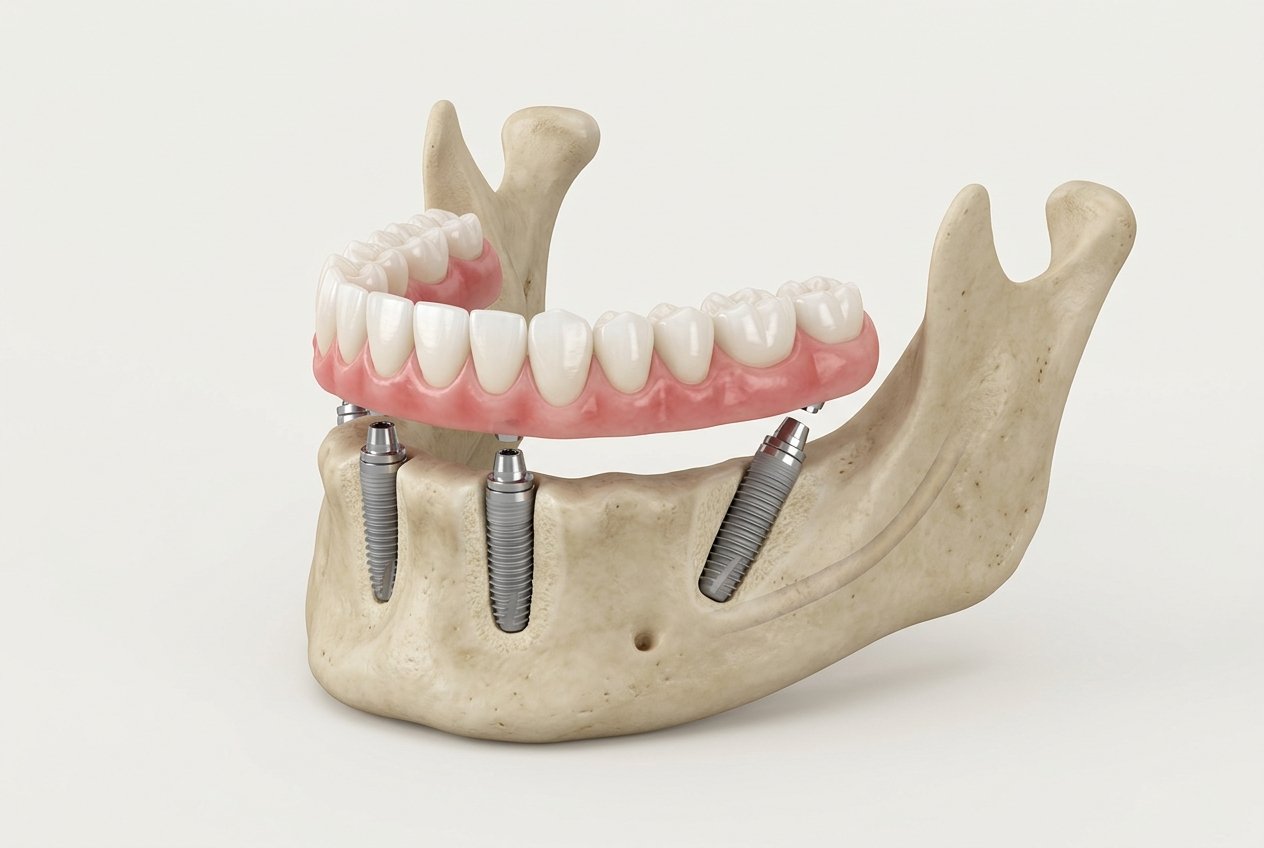
Osseointegration is the biological process where your living jawbone cells grow directly into the microscopic grooves of the biocompatible titanium implant screw. This process creates a permanent, structural bond that allows the implant to support a crown under chewing forces. Although your gums feel normal, the bone-bonding process takes three to six months to complete and cannot be rushed.
Protecting the Healing Implant
During this phase, if you have been fitted with a temporary crown or bridge designed by our in-house CAD/CAM laboratory, it is important that you do not use it to chew hard or tough foods. The implant must remain free from heavy mechanical loads while the bone is fusing. You must also watch for any warning signs of complications, such as a feeling that the implant is loose, persistent pain, or a sudden foul taste or odor near the surgical site. If you experience any of these symptoms, contact our team immediately.
Months 3 to 6: The Final Restoration at Dent of Istanbul
Once osseointegration is complete, you will return to Istanbul for your second visit to receive your permanent teeth.
Exposing the Implant and Shaping the Gums
If your implant was placed beneath the gum tissue to heal, we will perform a minor, quick procedure under local anesthesia to expose the top of the screw. We then attach a small healing abutment (a metal collar) to shape the gum tissue, ensuring it heals in a natural contour around your upcoming crown.
Digital Scanning and Laboratory Fabrication
At Dent of Istanbul, we avoid the uncomfortable, messy putty impressions used in traditional clinics. Instead, we use high-precision intraoral scanners to capture a detailed 3D digital map of your mouth. Our in-house laboratory uses these scans to design and mill your custom zirconia or E-Max crowns, matching the shade, translucency, and bite alignment of your natural teeth. Once fitted, your new teeth will function and look indistinguishable from the rest of your smile.
Dr. Nilgün Başar’s Professional Aftercare Tips
To ensure the long-term success of your treatment, Chief Physician Dr. Nilgün Başar recommends the following clinical guidelines:
- Avoid Smoking and Vaping: Refrain from smoking or using nicotine products for at least two weeks before surgery and at least six weeks afterward. Nicotine constricts blood vessels, reducing oxygen and nutrient flow to the healing bone. Smoking increases the risk of implant failure by up to 10%.
- Complete Your Medications: Always take the full course of prescribed antibiotics exactly as directed, even if you feel perfectly fine. This prevents sub-clinical bacterial infections from developing around the implant.
- Commit to Long-Term Hygiene: Once your final crown is placed, treat it with the same care as a natural tooth. Brush twice a day, use an interdental brush or dental floss to clean between the crowns, and visit a dentist twice a year for professional cleanings.
Frequently Asked Questions About Implant Recovery
How long after dental implant surgery can I fly?
It is generally safe to fly 24 to 48 hours after dental implant surgery. However, we recommend waiting at least 48 hours to ensure that the initial blood clot is fully stable and to minimize any discomfort caused by changes in cabin pressure.
Is it normal to feel the implant metal?
Yes. If a healing abutment is placed during your surgery, you will feel a small, smooth metal button sitting slightly above your gum line. This is completely normal and is designed to shape the gum tissue in preparation for your final crown.
What should I do if my swelling doesn't go down after a week?
While swelling typically peaks on the second or third day and begins to subside by day four, persistent or increasing swelling after a week could indicate an infection. You should contact our 24/7 WhatsApp care line immediately so our clinical team can review your case.
Can I drink coffee or tea after the surgery?
You must avoid hot beverages for the first 48 hours, as heat can dissolve the blood clot and cause bleeding. Iced or room-temperature coffee and tea are acceptable, provided you drink them directly from a cup and do not use a straw.
Your Journey to a Lasting, Confident Smile
Recovering from dental implant surgery requires patience and adherence to clinical guidelines, but the results are well worth the effort. By following a structured recovery timeline and working closely with your clinical team, you can protect your investment and enjoy a healthy, beautiful smile for a lifetime.
At Dent of Istanbul, we stand by our patients through every step of their treatment journey. If you are ready to explore your dental restoration options or have questions about your upcoming surgery, contact us today to schedule a virtual consultation with Dr. Nilgün Başar.