
If you’re looking into replacing missing teeth, you probably want a solution that feels natural, stays comfortable, and lasts a long time. Traditional options like dentures and bridges usually need to be adjusted or replaced every 5 to 7 years. Dental implants, on the other hand, are designed to be a permanent solution. But a question we hear a lot is: how long do dental implants actually last, and what steps can you take to make sure they last a lifetime?
At Dent of Istanbul, we only use high-end, FDA-approved implant systems that are built to last. Under the guidance of Dr. Nilgün Başar, we combine detailed digital planning with personalized patient care to achieve exceptionally high success rates. If you're thinking about traveling to Turkey for your dental work, understanding how implants heal and how to keep them clean will help you get the absolute most out of your investment.
The Science Behind the Success: What is Osseointegration?
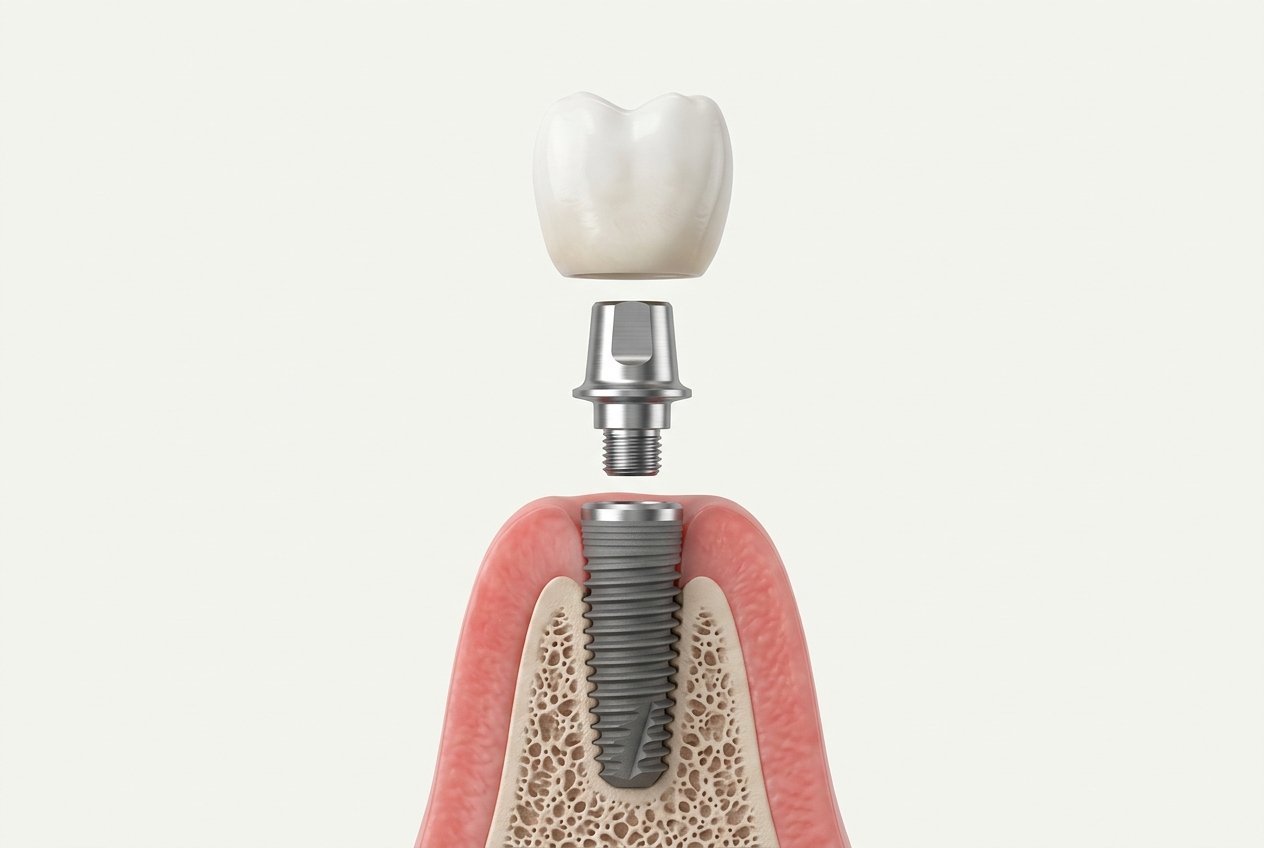
Unlike dentures that rest on your gums, or bridges that rely on neighboring teeth for support, a dental implant is placed directly into your jawbone. The reason it is so incredibly durable comes down to a natural process called osseointegration.
First discovered in the 1950s by Dr. Per-Ingvar Brånemark, osseointegration is the way living bone fuses directly with the surface of a titanium implant. Titanium is highly biocompatible, meaning your body accepts it naturally without any allergic reactions. Over the 3 to 6 months following your surgery, your bone cells will grow and lock into the tiny grooves on the implant. Once this process is complete, the implant acts just like a natural tooth root. It keeps your new tooth firmly in place and stimulates the jawbone when you chew, which stops the bone from shrinking over time.
How Long Do They Actually Last?
To understand the lifespan of a dental implant, it helps to think of it in two separate parts:
- The Implant Post (The Screw): This is the titanium piece placed in your jawbone, and it is designed to be a permanent part of your body. If you take good care of your gums and visit the dentist regularly, this post can easily last 25 years or even a lifetime. Long-term studies show that well-cared-for implants have a success rate of over 95% even after 20 years.
- The Crown or Bridge (The New Tooth): This is the visible part of the tooth that does all the chewing. Because it faces daily wear and tear, a high-quality porcelain or zirconia crown will typically last between 10 and 15 years before it needs to be refreshed or replaced.
What Affects the Lifespan of an Implant?
Reflecting on the success of dental implants, how long they last depends on a few key factors: surgical planning, your lifestyle, and daily care.
1. Accurate Placement
Where and how the implant is placed matters immensely. If it's put in at the wrong angle or where the bone is too thin, the implant can experience uneven pressure when you chew. Over time, this can cause the bone to break down. To prevent this, Dr. Nilgün Başar uses 3D CBCT scans to map out your jaw and plan the exact spot for every implant, ensuring it has the best possible support.
2. Smoking and Nicotine
Smoking is one of the most common reasons implants fail to heal properly. Nicotine narrows your blood vessels, which cuts down the flow of blood, oxygen, and nutrients to your gums and bone. This makes it much harder for the implant to fuse with your jaw and increases the chance of an infection. We always recommend that patients stop smoking at least two weeks before surgery and keep it up while healing.
3. Keeping Your Gums Healthy
While your new implant can't get cavities, your gums and bone can still get infected. The most common cause of implant issues down the road is peri-implantitis, which is an inflammatory condition similar to gum disease. If plaque builds up around the implant, bacteria can slip under the gumline and begin to dissolve the bone supporting the implant. Excellent daily cleaning is the best way to prevent this.
Ensure the Long-Term Success of Your Implants
Would you like to know if you are a candidate for dental implants? Send us a message on WhatsApp. Dr. Nilgün Başar's team will analyze your case and provide a customized treatment plan.
Simple Tips to Care for Your Implants
Taking care of your dental implants is straightforward and very similar to looking after your natural teeth. A good daily routine is all it takes to keep them healthy for life:
- Brush twice a day: Use a soft-bristled toothbrush (either manual or electric) and a gentle, low-abrasive toothpaste. Hard bristles can scratch the polished surface of your new crown.
- Floss every day: Use a water flosser or specialized implant floss to clean the small gap where the crown meets your gumline. This is the most important area to keep clear of plaque.
- Don't chew on hard things: Avoid biting your fingernails, chewing on ice, or using your teeth to open packaging. While implants are incredibly tough, sudden hard pressure can chip the porcelain.
- Protect them from grinding: If you tend to grind or clench your teeth at night, let us know. A custom nightguard will protect both your new implants and your natural teeth from heavy biting pressure.
- Keep up with dental visits: See your local dentist twice a year for a professional cleaning and check-up. They can take quick digital scans to make sure the bone around your implant remains healthy and stable.
By choosing a highly experienced surgical team and maintaining excellent oral hygiene, you can ensure that your dental implants remain a healthy, functional, and beautiful part of your smile for the rest of your life.