Digital Smile Design (DSD) has transformed how dental professionals approach aesthetic and restorative treatments. This innovative methodology merges cutting-edge digital tools with artistic principles to create personalized treatment plans that align with each patient’s unique facial features and expectations.
The significance of DSD technology in modern dentistry extends beyond simple cosmetic improvements. You’re looking at a comprehensive approach that addresses both form and function, ensuring your smile not only looks beautiful but works properly too. By leveraging advanced imaging, simulation software, and precision fabrication tools, dental practitioners can now predict outcomes with remarkable accuracy before any procedure begins.
The latest advances in Digital Smile Design technology are revolutionizing the field by blending artistry with precision to improve dental outcomes and enhance patient experiences. From 3D visualization capabilities to AI-powered treatment planning, these innovations are setting new standards for what’s possible in dental aesthetics. The integration of these technologies means you can actively participate in designing your smile, seeing realistic previews, and making informed decisions about your dental care.
For instance, Dentof Istanbul is one of the leading clinics that utilizes DSD technology to provide exceptional dental care.
1. Key Components of Digital Smile Design Technology
Digital Smile Design relies on four fundamental technological pillars that work together to deliver precise, predictable results.
1. CAD/CAM Systems
CAD/CAM systems are the backbone of modern prosthetic creation. These computer-aided design and manufacturing platforms allow you to design restorations digitally and mill them with microscopic precision. The technology eliminates many manual errors associated with traditional impression-taking and lab work, producing crowns, veneers, and bridges that fit with exceptional accuracy.
2. 3D Imaging
3D imaging transforms how you visualize patient anatomy. Cone beam computed tomography (CBCT) scanners capture detailed three-dimensional views of teeth, bone structure, and soft tissues. You can examine every angle, measure precise distances, and identify potential complications before they arise. This level of anatomical insight was impossible with traditional two-dimensional X-rays.
3. Virtual Simulation Tools
Virtual simulation tools bridge the gap between planning and execution. You can manipulate tooth positions, adjust shapes, and experiment with different aesthetic options in a risk-free digital environment. Patients see realistic previews of their future smiles, making informed decisions about their treatment.
4. Digital Photography
Digital photography completes the technological ecosystem. High-resolution intraoral and extraoral photographs document baseline conditions, track progress, and facilitate communication with dental laboratories. These images integrate seamlessly with design software, ensuring that your final restorations harmonize with each patient’s unique facial features and existing dentition.
2. Recent Advances in Digital Smile Design Software and Techniques
The evolution from 2D to 3D treatment simulation software marks a significant leap in how you can plan and visualize dental transformations. Traditional 2D planning required you to imagine spatial relationships and depth, often leading to miscommunication between what you envisioned and what patients understood. Modern 3D simulation software eliminates this guesswork by providing dynamic, rotatable models that reveal every angle of the proposed smile design. You can manipulate tooth positions, adjust contours, and preview results in real-time, creating a more intuitive planning experience that increases both your confidence and patient satisfaction.
The golden ratio in dentistry has become a cornerstone principle in achieving naturally attractive smiles through digital design. This mathematical concept, approximately 1:1.618, guides you in determining ideal tooth proportions, width-to-length ratios, and spacing that the human eye perceives as harmonious. DSD software now incorporates golden ratio overlays and measurement tools that help you analyze facial symmetry and dental proportions with scientific precision, removing subjective guesswork from aesthetic decisions.
Shade matching techniques have undergone remarkable refinement through hybrid approaches that combine instrumental analysis with spectrum photometry. You no longer rely solely on visual shade guides under varying lighting conditions. Digital spectrophotometers capture precise color data across multiple wavelengths, while advanced software algorithms account for translucency, opacity, and light interaction properties. This technological integration delivers unprecedented color accuracy in prosthetic fabrication, ensuring restorations blend seamlessly with natural dentition.
3. Enhancing Patient Experience through Visualization and Communication in Digital Smile Design
Patient satisfaction reaches new heights when you can see your future smile before committing to treatment. The latest advances in Digital Smile Design technology transform abstract dental concepts into tangible visual representations. You’re no longer left wondering what your smile will look like—digital mockups display the exact results you can expect, eliminating uncertainty and building confidence in your treatment decisions.
Treatment visualization tools allow you to explore different smile options during your consultation. Your dentist can adjust tooth shape, size, and positioning in real-time while you provide feedback. This interactive process ensures the final design aligns perfectly with your aesthetic goals and facial features. You become an active participant in creating your smile rather than a passive recipient of treatment.
Dentist-patient communication improves dramatically when both parties view the same digital representation. Technical explanations become clearer when supported by visual evidence. You understand exactly which teeth require modification and why specific procedures are necessary. This transparency builds trust and reduces anxiety about upcoming treatments.
Precise digital planning reduces your time in the dental chair. Your dentist identifies potential complications before starting work, minimizing mid-procedure adjustments. You experience fewer appointments and shorter treatment durations. The accuracy of digital workflows means less room for errors, protecting you from unnecessary revisions or corrections that extend your treatment timeline.
4. Interdisciplinary Collaboration Enabled by Digital Smile Design Technology
Digital Smile Design technology breaks down traditional barriers in dental practice by creating a unified platform where multiple specialists can contribute their expertise. The software allows orthodontists, periodontists, prosthodontists, and oral surgeons to work simultaneously on treatment plans, ensuring that every aspect of your smile transformation receives specialized attention.
Integrating Bite Alignment into Aesthetic Planning
Bite alignment represents a critical functional element that DSD integrates seamlessly into aesthetic planning. The technology maps your occlusal relationships digitally, allowing specialists to identify potential issues before they compromise your final results. You’ll find that this approach prevents the common scenario where beautiful veneers create bite problems down the line.
Collaborating with Facial Aesthetic Specialists
Lip support analysis within DSD platforms enables cosmetic dentists to collaborate with facial aesthetic specialists. The digital tools measure how your teeth support your lips at rest and during smiling, ensuring that prosthetic work enhances your facial profile naturally. This interdisciplinary dental care approach considers how tooth positioning affects your entire lower face structure.
Ensuring Speech Clarity with Phonetic Analysis
Speech clarity receives dedicated attention through phonetic analysis features in modern DSD software. Speech therapists and prosthodontists can review digital simulations to ensure that new dental work won’t interfere with your ability to pronounce specific sounds. The technology allows for micro-adjustments to tooth positioning and contour that preserve natural speech patterns while achieving aesthetic goals.
5. Customization and Precision in Prosthetic Fabrication with Digital Smile Design Technology
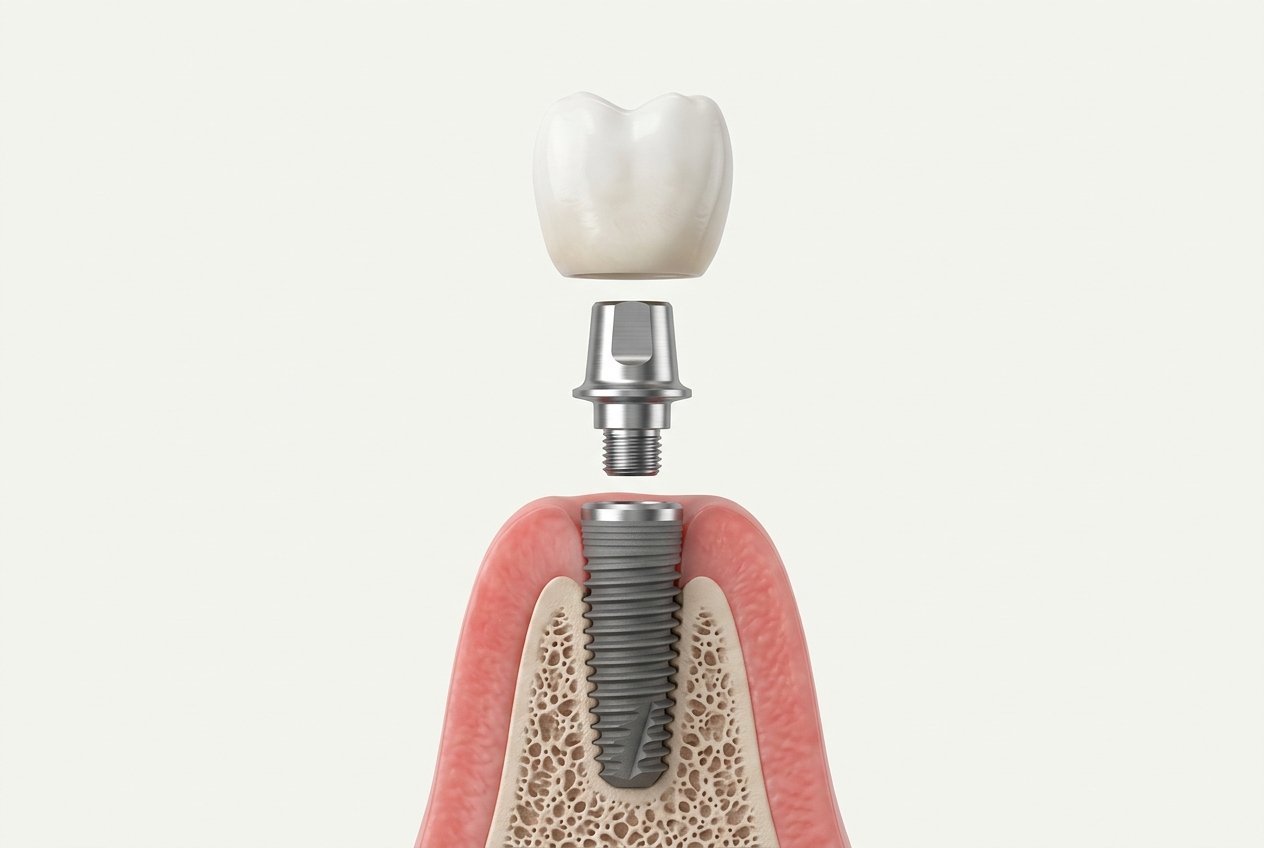
The combination of DSD principles with CAD/CAM production methods has changed how you get dental prosthetics. When your dentist designs customized veneers or creates an implant design specifically for you, they’re using advanced digital processes that capture every unique detail of your dental structure.
How CAD/CAM Technology Works
CAD/CAM technology allows for the creation of prosthetic parts with micrometer-level accuracy. Your dentist can design veneers that match not only the color of your natural teeth but also replicate the subtle translucency and texture that make them look real. The digital design process takes into account your facial proportions, gum line shapes, and even how light interacts with your teeth throughout the day.
Key Benefits of Digital Prosthetic Fabrication
- No more uncomfortable traditional impression materials
- Ability to store your digital dental records for future changes or replacements
- Less time spent in the dentist’s chair as designs can be improved digitally before any physical work starts
- Consistent results across multiple prosthetic pieces when you need extensive restoration work
The ability to repeat the process is especially valuable when you need multiple prosthetic parts. Digital files ensure that each veneer or implant crown has the same specifications, creating a balanced look across your entire smile. You benefit from prosthetics that fit perfectly on the first try, reducing the need for adjustments and extra appointments.
6. Future Perspectives and Innovations in Digital Smile Design Technology
Artificial intelligence is reshaping the landscape of future dental technology. AI integration in dentistry brings predictive analytics that can analyze thousands of successful smile designs to recommend optimal treatment plans for your specific facial structure and aesthetic goals. Machine learning algorithms continuously improve their recommendations by learning from treatment outcomes, creating increasingly accurate predictions for your dental procedures.
Innovation in smile design extends beyond current capabilities through several emerging technologies:
- Augmented reality (AR) overlays that let you see your new smile in real-time through smartphone cameras
- Biometric analysis tools that measure facial symmetry and movement patterns to create dynamic smile designs
- Automated design suggestions powered by neural networks trained on aesthetic principles and successful case studies
- Predictive aging simulations that show how your smile design will look years into the future
The integration of AI-driven shade matching systems represents a significant leap in color accuracy. These systems analyze lighting conditions, skin tones, and existing tooth colors to generate precise shade recommendations that adapt to different environments.
Machine learning algorithms are also transforming treatment planning by identifying potential complications before they occur. You benefit from risk assessment tools that evaluate bone density, gum health, and structural integrity to optimize implant placement and prosthetic design with unprecedented precision.
Conclusion
The Latest Advances in Digital Smile Design Technology have fundamentally reshaped how you experience dental care. These innovations deliver digital dentistry benefits that extend far beyond aesthetic improvements—they create a patient-centered approach where your unique facial features, functional needs, and personal preferences drive every treatment decision.
You now have access to treatment planning that combines artistic vision with scientific precision. The technology eliminates guesswork, reduces chair time, and provides you with realistic previews of your future smile before any procedure begins. This transparency builds trust and ensures you’re an active participant in your dental journey.
The integration of advanced imaging, AI-driven analysis, and interdisciplinary collaboration means you receive improved dental outcomes that address both form and function. Your prosthetics fit better, your bite aligns correctly, and your smile complements your natural facial aesthetics.
As these technologies continue evolving, you can expect even more personalized, efficient, and predictable dental treatments. The future of dentistry isn’t just digital—it’s designed specifically for you.