Dental implants have an incredibly high success rate, often exceeding 95%, and they are built to last a lifetime. That said, just like any medical treatment, things can go wrong if they aren't cared for properly. The most common and serious issue we see with implants is an inflammatory condition called peri-implantitis.
Much like gum disease in natural teeth, peri-implantitis is an infection that inflames the gums and bone surrounding an implant. If it's left untreated, the bone slowly wastes away, which eventually causes the implant to become loose and fail. Knowing what causes it, spotting the early signs, and understanding how we treat it are key to keeping your smile healthy. Under the guidance of Dr. Nilgün Başar, a professor of periodontology, our team at Dent of Istanbul specializes in both preventing and treating this condition.
How Peri-Implantitis Develops
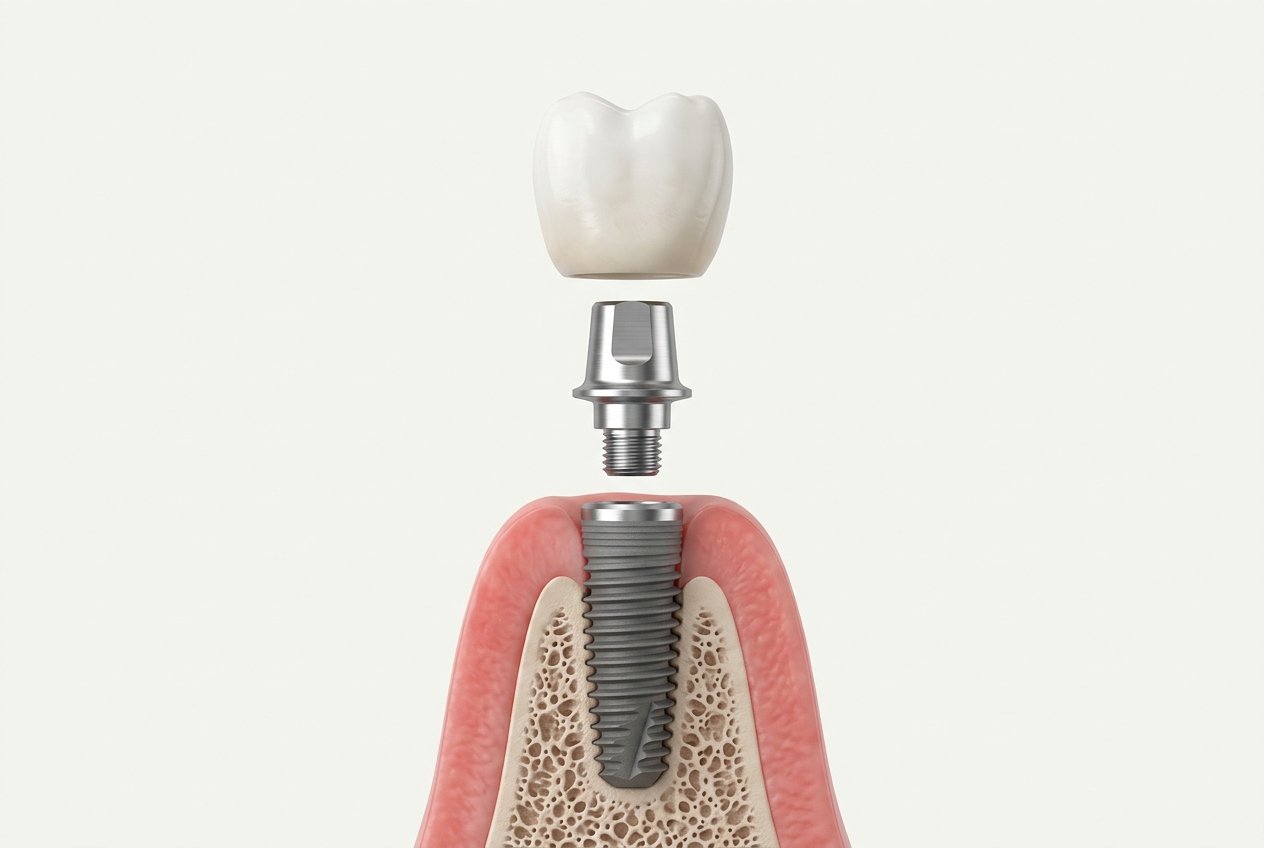
Peri-implantitis doesn't just happen overnight. It almost always starts as a milder, fully reversible condition called peri-implant mucositis. This is simply an inflammation of the gums right around the implant, usually caused by plaque buildup. The symptoms at this stage are quite mild, often just a bit of redness, slight swelling, or a little bleeding when you brush.
If that plaque isn't cleaned away, bacteria will work their way deeper under the gums, creating a tiny pocket between the gum and the implant. Your body's natural response to this bacterial buildup is inflammation, which unfortunately starts to break down the surrounding bone. As soon as that bone loss begins, the condition has officially progressed to peri-implantitis.
Key Symptoms of Peri-Implantitis
Since dental implants don't have nerves inside them like natural teeth, peri-implantitis is usually completely painless in the beginning. That's why it is so important to keep a close eye on your gums. Here are the common signs to look out for:
- Bleeding or Pus: Bleeding during brushing or flossing around the implant, or the presence of pus at the gumline.
- Swelling and Redness: The gums around the implant appear puffy, dark red, or shiny.
- Gum Recession: The gums pull away from the crown, sometimes exposing the metallic or dark threads of the implant post.
- Discomfort or Pain: A dull ache or tenderness when chewing or pressing on the area.
- Implant Mobility: In advanced stages, the implant may feel loose or shift when touched. This is a sign of severe bone loss and is a dental emergency.
Prevention: The Best Defense
Preventing peri-implantitis is much easier and more predictable than trying to treat it later. A great daily routine is your best defense:
- Brush and Floss Daily: Brush twice a day with a soft toothbrush and use specialized implant floss or interdental brushes.
- Use a Water Flosser: A water flosser is exceptionally effective at flushing out bacteria from beneath the gums around implants.
- Quit Smoking: Smoking narrows the blood vessels in your gums, which makes it harder for your body to fight off infections and heal. This is why smokers are much more likely to develop peri-implantitis.
- Regular Professional Cleanings: See your dentist twice a year for professional cleanings. Our team uses specialized, gentle tools to clear away the hardened plaque (tartar) that normal brushing and flossing can't budge.
Advanced Treatment Options at Dent of Istanbul
If you do develop peri-implantitis, we need to act quickly to stop the bone loss and save the implant. Led by our periodontology specialist, Dr. Nilgün Başar, we use a few different advanced treatments depending on how far the condition has progressed:
1. Non-Surgical Debridement
If we catch it early, a thorough deep cleaning under the gumline might be all that's needed. We use special carbon-fiber or titanium instruments that won't scratch the implant, followed by antibacterial rinses or gentle laser therapy to clear out the remaining bacteria.
2. Surgical Debridement and Decontamination
When the infection has reached the bone, we usually need to perform a minor surgical procedure. The surgeon gently lifts a small section of the gum to get direct access to the implant. We then thoroughly clean the implant surface using advanced methods like air-polishing with glycine powder or dental lasers, which wipe away the bacterial buildup without damaging the implant's threads.
3. Regenerative Bone Grafting
After the implant is completely clean, we can place a bone graft to help rebuild what was lost. By placing bone grafting material and a protective membrane around the area, we encourage your body to regrow new bone and lock the implant securely back in place.
Protect Your Smile
At Dent of Istanbul, we want to help you keep your dental implants healthy for life. If you notice any bleeding, swelling, or discomfort around your implants, don't wait for things to get worse. Reach out to our team today to set up a consultation with our specialists, and let's make sure your smile stays healthy and secure.