You have just walked out of the surgical suite at Dent of Istanbul. Your jaw is numb, you are biting down on a sterile cotton gauze, and you are holding a cold compress to your cheek. You are also probably feeling a familiar rumble in your stomach. While you are excited about the prospect of your new smile, you might also feel anxious about your first meal. What can you eat that won't compromise your fresh dental implants? How do you maintain your strength when you cannot chew?
We understand these concerns. Recovering from dental implant surgery does not mean you have to starve or endure a depressing diet of plain, lukewarm broths and commercial baby food. In fact, recovering in Turkey offers a unique culinary opportunity. Istanbul’s rich food heritage features a wide array of naturally soft, nutrient-dense, and incredibly flavorful dishes. Under the medical supervision of Dr. Nilgün Başar, our lead implantologist and Professor of Periodontology, we have put together this ultimate guide to help you navigate your recovery diet safely and deliciously.
Why Your Diet Matters: The Science of Osseointegration
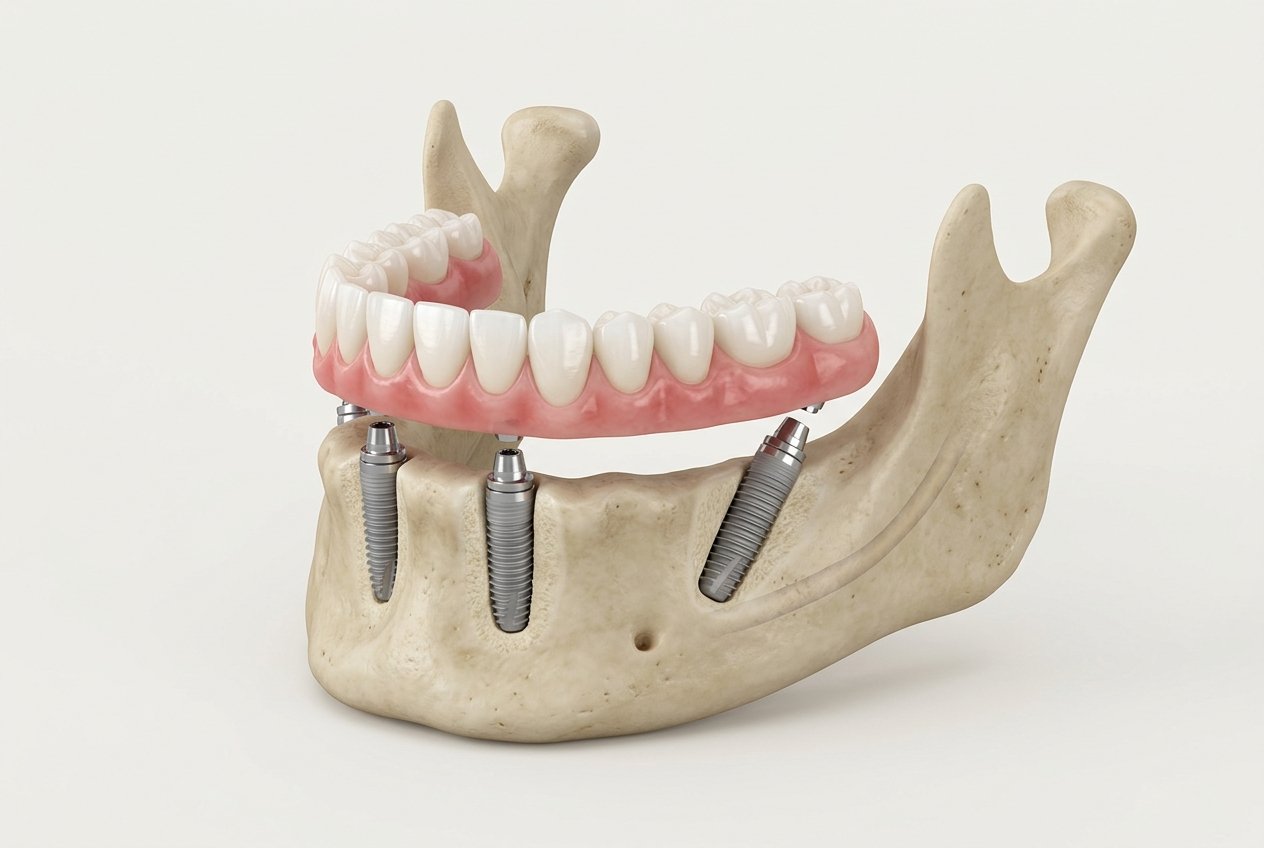
To understand why we place restrictions on your diet, it helps to understand what is happening beneath your gums. When Dr. Nilgün Başar places a dental implant, she is inserting a small titanium screw directly into your jawbone. This screw acts as a new root for your missing tooth. But at this early stage, the implant is held in place only by mechanical friction.
Over the next 8 to 12 weeks, a biological miracle called osseointegration takes place. Your living bone cells begin to grow, multiply, and fuse directly with the microscopically textured titanium surface. This process creates a permanent, structural bond that allows your implant to support the heavy forces of chewing.
The Critical 12-Week Healing Window
During this 12-week window, the bond between your bone and the implant is incredibly delicate. Think of it like planting a young tree seedling in the soil. If you constantly pull, shake, or push the seedling, the tiny root fibers will tear, and the tree will die. Similarly, if you chew hard, crunchy, or tough foods, you create micro-movements in the implant. Even a microscopic shift of a fraction of a millimeter can prevent the bone cells from attaching. Instead of solid bone, your body will form soft, fibrous scar tissue around the screw, leading to implant failure.
By sticking to a soft-food diet, you eliminate these micro-movements, allowing the bone to heal quickly and securely around the implant. Your diet directly dictates the success of your treatment.
The First 24 to 48 Hours: The Liquid & Ultra-Soft Phase
The immediate post-operative period requires the most care. Your tissues are sensitive, and the surgical incisions are closed with delicate sutures. During these first two days, your goal is to protect the surgical sites and prevent bleeding.
Crucial Safety Rules: No Straws, No Heat
There are two absolute rules you must follow during the first 48 hours:
- No Straws: It is tempting to drink smoothies or milkshakes through a straw. Do not do it. The suction created in your mouth when using a straw generates negative pressure. This physical suction can easily pull the protective blood clot out of the socket. This leads to a highly painful condition called dry socket, exposing the bone and nerves, and increasing the risk of infection. Always drink directly from a cup or use a spoon.
- No Hot Liquids or Foods: Avoid hot Turkish tea, coffee, or steaming soups. Heat causes blood vessels to dilate (vasodilation). If you consume hot items, you risk restarting the bleeding at your surgical sites and disrupting the healing process. All foods and drinks must be cool, cold, or room temperature.
During this phase, stick to cool liquids, smooth yogurts, protein shakes (consumed with a spoon), and cold broths.
Weeks 1 and 2: Transitioning to Soft Foods
Once you pass the 48-hour mark, you can gradually transition to soft foods that require no chewing. Your body is working hard to repair bone and gum tissue, meaning you need a steady supply of vitamins, minerals, and especially protein.
High-Protein Choices to Accelerate Tissue Healing
Protein is the building block of cellular repair. Here are excellent, safe options to keep your protein intake high:
- Scrambled Eggs: Soft-scrambled eggs cooked with a little butter or olive oil are gentle on your gums and packed with high-quality protein.
- Turkish Yogurt (Yoğurt): Strained Turkish yogurt (süzme yoğurt) is thick, creamy, rich in calcium, and loaded with protein. It requires zero chewing and coats your mouth comfortably.
- Mashed Avocados: Rich in healthy fats and vitamins, mashed avocado is smooth and filling. You can mix it with a little lemon juice and yogurt for flavor.
- Smoothies: Blend bananas, protein powder, yogurt, and milk. Ensure you blend the mixture until it is completely smooth. Important: Avoid adding small berry fruits like raspberries, strawberries, or blackberries. Their tiny seeds can easily lodge in your surgical incisions, leading to localized infections.
The Istanbul Culinary Guide: Safe Local Dishes for Dental Tourists
One of the best things about undergoing treatment at Dent of Istanbul is that you are in a city renowned for its culinary arts. You do not have to eat in your hotel room. You can visit local cafes and restaurants in Şişli, Beşiktaş, or Kadıköy and enjoy traditional Turkish cuisine safely.
Traditional Turkish Soups (Çorbalar)
Turkish soups are legendary, and almost every restaurant serves them throughout the day. They are typically blended, smooth, and highly nutritious. Just remember to ask the waiter to serve it warm (ılık), not hot.
- Mercimek Çorbası (Red Lentil Soup): A staple of Turkish households, this soup is made from red lentils, carrots, and onions, blended into a velvety, protein-rich puree. It is hearty and incredibly satisfying.
- Yayla Çorbası (Yogurt Soup): A comforting blend of yogurt, mint, and well-cooked rice. It is mild, soothing for sensitive gums, and easy to digest.
- Tarhana Çorbası: A traditional fermented grain and yogurt soup that is rich in probiotics, helping support your immune system during recovery.
Soft Mezes: The Heart of Safe Dining
Meze culture is perfect for dental recovery. These small starter plates are designed to be shared and are often naturally soft or mashed.
- Hummus: Made from pureed chickpeas, tahini, olive oil, and garlic, hummus is dense, flavorful, and packed with plant-based protein. Enjoy it with a spoon.
- Babagannuş: Smoky, slow-roasted eggplants mashed with olive oil, garlic, and herbs. It is velvety and requires absolutely no chewing.
- Haydari: A cooling dip made from thick strained yogurt, fresh dill, garlic, and a hint of mint. It is perfect for soothing warm or tender gums.
Sweet Comforts: Safe Traditional Desserts
If you have a sweet tooth, Turkish dessert shops (muhallebici) are your sanctuary. Avoid crunchy baklava, but feel free to enjoy these soft delights:
- Muhallebi: A traditional, silky milk pudding flavored with vanilla or a touch of mastic. It is cool, smooth, and easy to swallow.
- Fırın Sütlaç: Baked rice pudding. The rice is cooked until it is completely soft, and the pudding is served cold. It is creamy and filling.
- Maraş Dondurması: Traditional Turkish goat’s milk ice cream. It has a unique, chewy texture due to the addition of salep, but it melts smoothly in the mouth, providing cooling relief to your jaw.
Foods to Avoid: The "Danger List" for Implant Recovery
While there are many delicious things you can eat, there are several foods that pose a direct threat to your healing implants and temporary crowns. You must avoid these entirely during the first few weeks.
Why Small Seeds and Grains Are High-Risk
Small, hard particles are the enemy of oral surgery. Sesame seeds on simit (Turkish sesame bagels), poppy seeds, tomato seeds, and strawberry seeds are small enough to slip underneath your healing gum flaps. Once trapped, they act like tiny splinters, causing irritation, inflammation, and painful infections right next to your new implant. Avoid them completely.
Other foods to avoid include:
- Hard and Crunchy Foods: Chips, nuts, popcorn, and crusty breads. These require heavy chewing forces that can move the implant.
- Sticky and Chewy Foods: Toffee, caramel, chewing gum, and tough meats. These can bond to your temporary crowns and pull them loose from their abutments.
- Spicy and Acidic Foods: Highly spiced dishes, citrus fruits, and tomatoes. These can irritate your sensitive gum tissues and cause burning sensations at the incision sites.
When Can You Return to a Normal Diet?
Recovery is a gradual process. Around the third week, as your gums heal and the initial swelling disappears, you can transition to "fork-tender" foods. These are foods you can easily cut or mash with the side of a fork, such as well-cooked pasta, flaky baked fish, slow-cooked stews, and soft cheeses.
However, keep in mind that full osseointegration takes three to six months. Until you return to Dent of Istanbul for your second visit to have your permanent, custom Zirconia or E-Max crowns fitted, you should avoid biting directly into hard apples, tough steaks, or crusty breads with your temporary teeth. Treat your healing smile with care.
Implant Aftercare at Dent of Istanbul: Our Commitment to You
At Dent of Istanbul, we believe that your treatment does not end when you leave the dentist's chair. We are committed to supporting you through every stage of your recovery.
Every patient who undergoes implant surgery at our clinic receives a physical Post-Operative Care Kit before returning to their hotel. This kit includes your prescribed anti-inflammatory medications, pain relief, an antiseptic chlorhexidine mouthwash, an ultra-soft surgical toothbrush, and a printed copy of our recovery guide.
Furthermore, you have 24/7 access to your dedicated patient coordinator via WhatsApp. If you are sitting in a restaurant in Istanbul and are unsure if a dish is safe to eat, simply snap a picture, send it to us, and our clinical team will give you an immediate answer. We also back our implant screws with a lifetime guarantee, giving you complete peace of mind.
Are you planning your dental implant journey? Contact our clinical team today to receive a free, personalized treatment plan and cost estimate from Dr. Nilgün Başar.