Dental tourism has changed how international patients seek dental care. Instead of being stuck with expensive dental procedures in your home country, many people now travel overseas for affordable yet high-quality treatment. Countries like Turkey, Hungary, and Poland are popular destinations for various dental services such as implants and veneers, offering significant savings without compromising on quality.
The benefits are clear: you can save 50-70% on dental procedures while possibly enjoying a vacation at the same time. For example, a dental implant that costs £2,000-£3,000 in the UK might only cost £600-£800 in Turkey. Other treatments like root canals, crowns, and cosmetic procedures also have similar price differences.
However, it’s important to note: traveling abroad for dental treatment comes with its own set of risks that regular travel insurance may not cover. That’s where dental tourism insurance comes in—it acts as your financial backup plan, protecting you from complications, longer recovery times, and unexpected medical emergencies during your treatment journey. In this article, we’ll discuss why this specialized insurance is crucial for both your health and finances.
Understanding Dental Tourism Insurance
Dental tourism insurance is a specialized type of insurance that goes beyond standard vacation coverage. While regular travel insurance protects you against flight cancellations, lost luggage, and general medical emergencies, travel insurance for dental procedures specifically addresses the complexities of planned medical treatments abroad.
Why Standard Travel Insurance Isn’t Enough
Standard travel policies usually do not cover pre-planned medical treatments at all. You cannot rely on a regular vacation policy to cover your scheduled dental implant surgery in Budapest or your veneer procedure in Istanbul. Dental treatment coverage requires a policy specifically designed to protect you during elective dental procedures performed outside your home country.
The distinction is important because when you travel for dental care, you have a different level of risk compared to an ordinary tourist. You’re not just someone who might accidentally injure themselves while exploring—you’re a patient intentionally undergoing invasive medical procedures in an unfamiliar healthcare system.
The Unique Risks You’re Taking On
When you go abroad for dental work, you’re accepting several risks that may not exist in your home country:
- Communication challenges: Language barriers can make your treatment more complicated. Even if your dentist speaks English, there may be misunderstandings about medical terms or instructions.
- Quality standards vary: The quality of dental care can differ greatly between countries and even between clinics in the same city. The practice you’ve researched online might not follow the same cleanliness practices or use the same materials you’re used to.
- Legal issues: If something goes wrong and you need to seek compensation, it can be difficult to navigate foreign legal systems and language barriers.
- Follow-up care problems: Your regular dentist may be hesitant to treat complications from procedures they didn’t do, which could create difficulties if issues arise after your trip.
Coverage Scope of Dental Tourism Insurance Policies
Emergency medical expenses coverage forms the foundation of any dental tourism insurance policy. These policies typically provide substantial financial protection, with coverage limits often reaching several million pounds. This high threshold exists because complications from dental procedures can escalate quickly, requiring immediate medical intervention that might otherwise cost you tens of thousands of pounds out of pocket.
The scope of dental complications coverage extends well beyond the treatment chair. Your policy will typically cover:
- Immediate post-procedure emergencies – Infections, excessive bleeding, or adverse reactions to anesthesia that require urgent medical attention
- Extended recovery periods – Additional accommodation and living expenses if complications prevent you from traveling home as planned
- Emergency repatriation – Medical evacuation back to your home country if local facilities cannot adequately address serious complications
- Follow-up treatments – Corrective procedures needed within a specified timeframe (commonly 12 months) due to treatment failures or complications
Procedure-Specific Coverage and Limits
Dental tourism insurance covers an extensive range of treatments, from routine procedures to complex interventions:
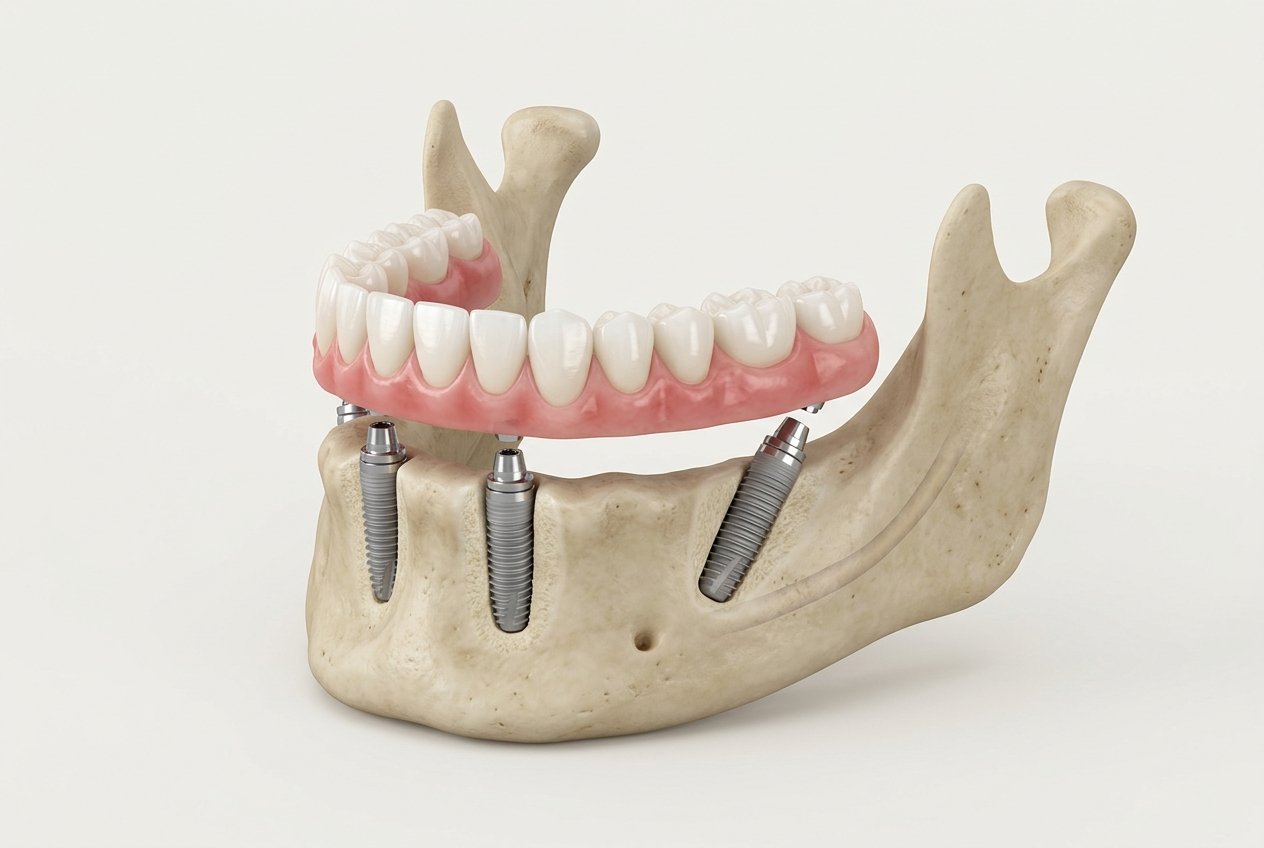
- Dental implants and bone grafting
- Veneers and cosmetic enhancements
- Root canal treatments
- Crowns and bridges
- Orthodontic work
- Wisdom tooth extractions
- Full mouth reconstructions
Monetary limits vary significantly based on procedure complexity and risk profiles. Simple procedures like teeth whitening might have lower coverage caps, while complex surgeries such as full-arch implant placements command higher limits due to their increased complication risks.
Critical Exclusions You Must Know
Not everything falls under your policy’s protective umbrella. Standard exclusions include:
- Cosmetic jaw surgery and skeletal realignment procedures
- TMJ/TMD treatments – Temporomandibular joint disorder therapies
- Pre-existing dental conditions that weren’t disclosed during application
- Treatments not specified in your original policy documentation
- Complications arising from non-compliance with post-operative care instructions
You need to scrutinize these exclusions carefully. A policy that seems comprehensive might leave you vulnerable if your specific procedure or potential complications fall into excluded categories.
Geographic Availability and Popular Destinations for Dental Tourism
Turkey has become one of the top destinations for dental tourism, attracting thousands of international patients every year. This is mainly due to its modern facilities, skilled dentists, and significantly lower costs compared to Western Europe and North America. In cities like Istanbul and Antalya, you’ll find comprehensive Turkey dental insurance options specifically designed to cover treatments ranging from dental implants to full smile makeovers.
Hungary is another popular choice for dental care, especially among UK and German patients. The capital city, Budapest, is often referred to as the “dental capital of Europe” because it has a high concentration of top-quality dental clinics offering procedures at prices 50-70% lower than many Western countries.
Poland and Spain are also well-known destinations for dental tourism. Each country has its own advantages when it comes to accessibility, cultural familiarity, and treatment costs.
Understanding Policy Availability by Destination
It’s important to note that policy availability can vary greatly depending on the destination you choose. You must verify whether your selected insurance provider offers coverage for your specific treatment location. Some insurers provide worldwide coverage, while others restrict their policies to certain regions or countries.
Certain places may have more extensive insurance options available because of higher demand and established medical tourism infrastructure. Before deciding on a particular country for your treatment journey, it’s essential to research both the quality of dental care and the availability of suitable insurance coverage.
Benefits Beyond Medical Treatment Coverage with Dental Tourism Insurance
Comprehensive dental tourism insurance extends far beyond medical emergency coverage. These policies recognize that your journey involves multiple risk factors that could derail your plans and drain your finances.
1. Trip Cancellation Insurance
Trip cancellation insurance forms a critical component of robust dental tourism policies. You might need to cancel your treatment due to unexpected illness, family emergencies, or sudden changes in your health status that make travel inadvisable. Without this protection, you’d forfeit non-refundable deposits for flights, accommodations, and clinic appointments. Quality policies reimburse these prepaid expenses, ensuring you don’t lose thousands of pounds when circumstances beyond your control force you to postpone your dental journey.
2. Lost or Stolen Items Protection
Lost or stolen items protection addresses another significant vulnerability international patients face. You’re carrying valuable items—passports, electronics, medications, and personal belongings—while navigating unfamiliar territories. Theft or loss can compound the stress of medical travel. Dental tourism insurance typically covers replacement costs for stolen luggage, personal effects, and essential documents, allowing you to focus on your treatment rather than scrambling to replace stolen items in a foreign country.
3. Extended Accommodation Coverage
Extended accommodation coverage proves invaluable when complications require you to stay longer than planned. Your policy may cover hotel expenses and daily living costs if your dentist advises against immediate travel following unexpected treatment developments. This financial cushion prevents you from choosing between your health and your budget.
4. Companion Expenses Coverage
Some policies also include coverage for companion expenses. If your travel partner needs to extend their stay to support you through complications, certain insurers will cover their additional accommodation and meal costs. This comprehensive approach to protection acknowledges that dental tourism involves complex logistical challenges requiring multifaceted financial safeguards.
The Need for Tailored Dental Tourism Insurance Policies
Standard travel insurance policies create a dangerous gap in protection for dental tourists. Most conventional travel insurance explicitly excludes coverage for planned medical treatments, which means your dental procedure—the very reason for your trip—receives no protection. You might think you’re covered because you purchased travel insurance, but reading the fine print reveals that elective dental work falls outside the policy scope.
The exclusion extends beyond the procedure itself. If complications arise from your dental treatment, standard policies typically deny claims related to those complications. You could face tens of thousands of dollars in unexpected medical bills with no safety net.
Tailored travel insurance designed specifically for dental tourism addresses these critical gaps. These specialized policies recognize dental procedures as the primary purpose of your journey and provide comprehensive coverage accordingly.
Evaluating Policy Terms Before Purchase
When reviewing dental tourism insurance options, it’s essential to scrutinize several key elements:
- Treatment coverage limits – Verify the maximum amount covered for your specific procedure type
- Complication timeframes – Check how long after treatment the policy covers related complications (typically 12 months)
- Exclusion lists – Identify which procedures or conditions the policy won’t cover
- Geographic restrictions – Confirm your destination country falls within the policy’s coverage area
- Emergency repatriation terms – Understand what circumstances trigger coverage for medical transport home
Before committing to purchase, request sample policy documents. For instance, Platinum Insurance offers tailored solutions that might suit your needs. Contact insurers directly with questions about ambiguous language and compare at least three different providers to understand market standards. Document all communications with insurers for future reference if you need to file a claim.
Also, consider looking into specific benefits that may apply to your situation as they can provide additional insights into what to expect from your insurance provider.
Limitations of Relying Solely on Public Health Insurance Cards for Dental Tourism Protection
Many European travelers mistakenly believe their European Health Insurance Card (EHIC) or UK Global Health Insurance Card (GHIC) provides adequate protection when traveling abroad for dental procedures. This assumption can lead to significant financial exposure.
These public health insurance cards were designed for a specific purpose: providing access to state-provided healthcare during temporary stays in European Economic Area countries. The critical limitation? EHIC limitations and GHIC exclusions specifically exclude coverage for planned medical treatments, including elective dental procedures.
When you travel specifically for dental work, you’re not seeking emergency care—you’re pursuing a planned treatment. Your EHIC or GHIC won’t cover:
- The dental procedure itself, regardless of complexity
- Complications arising from your planned treatment
- Extended accommodation if recovery takes longer than expected
- Medical repatriation if serious complications develop
- Additional dental work needed to correct issues
The cards only provide access to necessary healthcare that becomes unexpectedly required during your trip. If you develop a sudden toothache while on vacation, you’re covered. If you travel for dental implants and experience complications, you’re not.
Dental Tourism Insurance: What International Patients Need to Know includes understanding that public health cards offer no financial safety net for your planned procedures. You need dedicated dental tourism insurance to protect against the substantial costs associated with treatment complications abroad.
Considering Companions Traveling with Patients: Companion Travel Insurance Needs
When you’re planning dental treatment abroad, you might not be traveling alone. Many patients bring family members or friends for emotional support and assistance during recovery. Here’s what you need to understand about companion travel insurance for those accompanying you on your dental tourism journey.
Your specialized dental tourism insurance policy covers you as the patient undergoing treatment. Your companion, however, needs their own separate travel insurance coverage. They won’t be covered under your dental tourism policy because they’re not receiving any medical procedures.
Why companions need their own insurance:
- Standard travel risks still apply to them—lost luggage, flight cancellations, personal accidents, or sudden illness unrelated to your dental treatment
- They may need to extend their stay if your recovery takes longer than expected, incurring additional accommodation and meal costs
- Medical emergencies can happen to anyone, regardless of whether they’re receiving planned treatment
- Trip interruption coverage protects their investment if they need to return home unexpectedly
You should ensure your companion purchases a comprehensive travel insurance policy before departure. This protects both of you financially and ensures they have access to emergency assistance if needed. Many travel insurance providers offer affordable policies that cover the essential risks companions face while supporting you during your dental treatment abroad.
Providers and Services Offering Comprehensive Dental Tourism Insurance Solutions
Specialized insurers have emerged to meet the growing demand for dental tourism coverage, offering policies specifically designed for international patients. These providers understand the unique challenges you face when seeking dental care abroad and have developed comprehensive solutions to address them.
Several companies have established themselves as leaders in this niche market. These insurers typically offer:
- 24/7 emergency assistance hotlines staffed by multilingual support teams who can coordinate care across different time zones
- Direct billing arrangements with select dental clinics in popular treatment destinations, reducing your out-of-pocket expenses
- Dedicated claims specialists experienced in handling dental tourism-related incidents
- Flexible policy durations that accommodate various treatment timelines, from single procedures to multi-visit treatments spanning several months
When researching providers, you’ll find that some insurers partner directly with dental clinics abroad, creating networks of vetted facilities. This partnership model can streamline your experience, as the insurer already has established relationships and quality standards with these providers.
The best specialized insurers maintain transparent policy documentation, clearly outlining what’s covered and what’s excluded. They provide detailed information about coverage limits, deductibles, and the claims process before you purchase. You should verify that your chosen provider has experience handling claims in your destination country and can demonstrate a track record of supporting dental tourists throughout their treatment journey.
Conclusion
Traveling abroad for dental treatment offers significant cost savings and access to quality care, but it comes with inherent risks that standard insurance won’t cover. Dental Tourism Insurance: What International Patients Need to Know centers on one fundamental truth: specialized coverage is non-negotiable when planning international dental care.
You’re making a substantial investment in your health and appearance. Without proper essential travel protection, a single complication could cost you thousands in emergency medical expenses, extended accommodation, or unexpected return flights. I’ve seen patients face financial hardship because they assumed their regular travel insurance would suffice—it rarely does.
International dental care planning requires the same attention to detail you’d apply to selecting your dental clinic. Research your insurance options with the same diligence. Read policy documents thoroughly. Understand what’s covered and what’s excluded. Ask questions before you commit.
Your smile deserves protection, and so does your wallet. Dedicated dental tourism insurance provides both, allowing you to focus on your treatment and recovery rather than worrying about potential financial disasters.