Introduction
Full mouth rehabilitation is one of the most comprehensive approaches in modern dentistry. This specialized treatment goes far beyond simple cavity fillings or routine cleanings. When you’re dealing with extensive dental problems that affect multiple teeth, your bite alignment, or your jaw function, you need a solution that addresses everything at once.
Think of full mouth rehabilitation as a complete overhaul of your oral health. It’s a comprehensive dental treatment that combines multiple procedures—from crowns and implants to gum therapy and bite correction—into one cohesive plan. The goal isn’t just cosmetic. You’re looking at restoring proper chewing function, eliminating chronic pain, and rebuilding the structural integrity of your entire mouth.
Dental restoration at this level transforms lives. It’s about giving you back the ability to eat comfortably, speak clearly, and smile confidently. When you understand what full mouth rehabilitation truly offers, you realize it’s an investment in your overall quality of life, not just your teeth.
For those considering this transformative journey, Dentof Istanbul offers expert services in full mouth rehabilitation and other advanced dental procedures.
Understanding Full Mouth Rehabilitation
Full mouth rehabilitation is more than just one procedure—it’s a complete dental rebuilding plan that takes care of all aspects of your oral health. You can think of it as a major renovation project for your mouth, where various dental experts come together to create a cohesive treatment strategy.
How Does Full Mouth Rehabilitation Work?
The process of restoring oral function involves multiple treatments working together:
- Restorative treatments like crowns and bridges rebuild damaged tooth structure
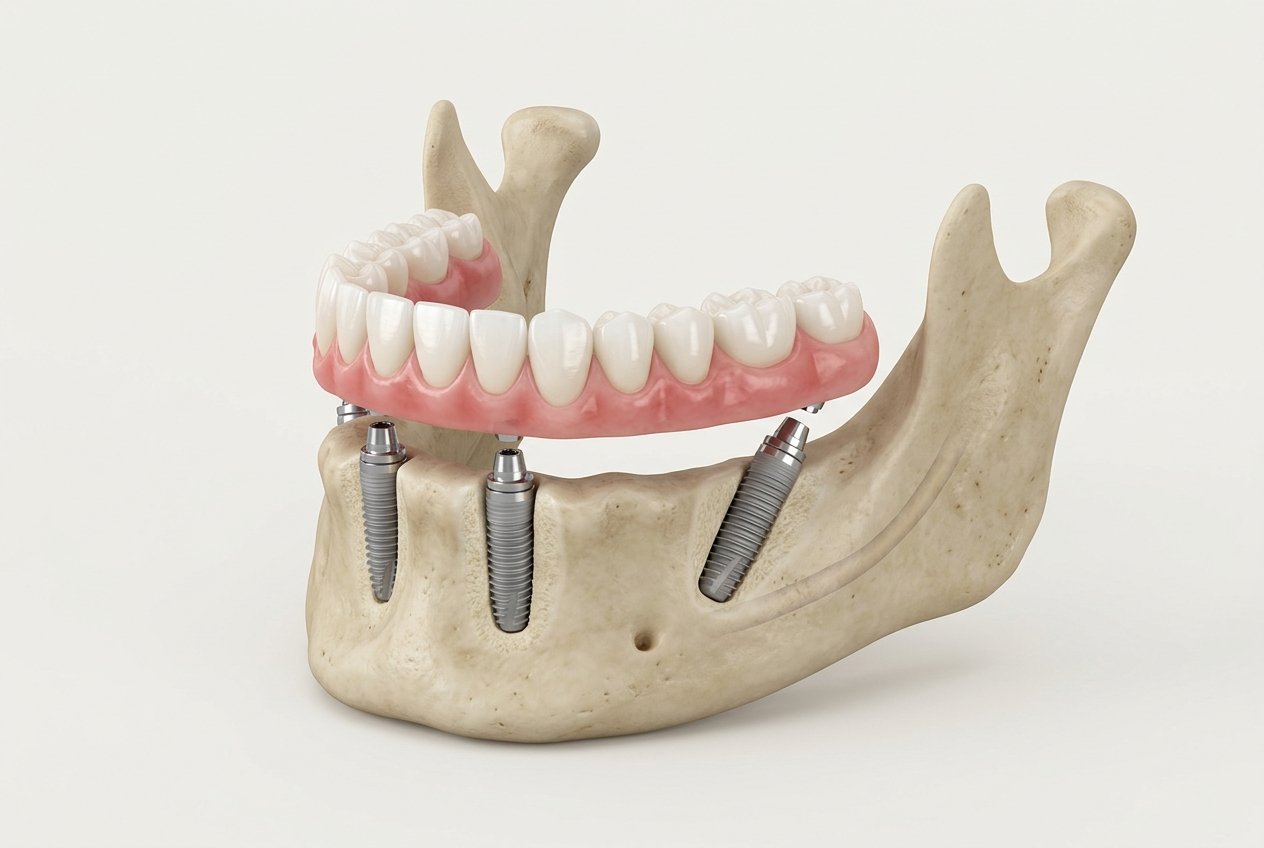
- Implant dentistry replaces missing teeth with permanent solutions
- Periodontal therapy treats gum disease and creates a healthy foundation
- Endodontic procedures such as root canals save infected teeth
- Orthodontic interventions correct alignment issues
- Bite adjustment techniques ensure proper jaw positioning
Each procedure has its own purpose, but they are all connected. For example, you cannot place a crown on an infected tooth without first performing a root canal, and you cannot install implants in diseased gums without first treating the periodontal condition.
What Makes Full Mouth Rehabilitation Different?
The personalized approach is what sets full mouth rehabilitation apart. Your treatment plan is tailored to your specific dental situation, lifestyle requirements, and aesthetic aspirations. For instance, a patient with severe grinding damage will need different solutions compared to someone with extensive tooth loss.
During the evaluation process, your dentist will assess various factors such as:
- Bite pattern
- Jaw alignment
- Gum health
- Bone density
This comprehensive evaluation allows your dentist to create a customized roadmap specifically designed for you. The goal is to provide exactly what your mouth needs—no more, no less.
Who Can Benefit from Full Mouth Rehabilitation?
Identifying candidates for full mouth rehab requires understanding the specific dental challenges that go beyond what standard treatments can address. You might be wondering if you fall into this category—let me walk you through the patient profiles who needs dental reconstruction.
1. Chronic Teeth Grinders and Trauma Victims
If you’ve been grinding your teeth for years or experienced facial trauma, you’ve likely noticed significant wear patterns. Your teeth may appear shorter, flatter, or even cracked. This severe tooth wear compromises your bite and can lead to jaw pain that affects your daily life. These are clear indications for full mouth rehab that simple fillings can’t resolve.
2. Patients with Extensive Tooth Damage
You might have multiple teeth with large cavities, fractures, or failed dental work. When several teeth require attention simultaneously, and traditional restorations won’t provide lasting results, full mouth rehabilitation becomes the logical solution. This approach addresses all compromised teeth in a coordinated manner rather than treating them individually over years.
3. TMJ Disorder Sufferers
Bite misalignment creates a cascade of problems. You may experience clicking jaws, persistent headaches, or facial pain. When your teeth don’t meet properly, it strains your temporomandibular joint. Full mouth rehabilitation corrects these alignment issues through strategic restorative work that reestablishes proper occlusion.
4. Individuals with Multiple Missing Teeth
Losing several teeth impacts your ability to chew effectively and speak clearly. You’ve probably noticed changes in your facial structure as bone loss progresses. Full mouth rehabilitation uses implants, bridges, and other restorative techniques to rebuild your complete dental arch.
5. Advanced Gum Disease Patients
Severe periodontal disease requires comprehensive intervention. You need both gum therapy and extensive restorative work to save remaining teeth and replace those lost to infection.
The Comprehensive Process of Full Mouth Rehabilitation
Full mouth rehab treatment steps follow a carefully structured approach designed to address your unique dental challenges systematically. The journey begins with an initial consultation where your dentist evaluates your oral health comprehensively, discussing your concerns, goals, and expectations for treatment.
Phase 1: Diagnostic Evaluation
During this critical first phase, your dental team gathers detailed information about your oral condition using cutting-edge diagnostic tools:
- Digital X-rays to assess bone structure and hidden decay
- 3D cone beam CT scans for precise anatomical mapping
- Intraoral scans creating detailed digital impressions
- Bite analysis to evaluate jaw alignment and function
- Photographs documenting your current smile from multiple angles
These advanced technologies eliminate much of the guesswork that plagued traditional dentistry. Digital scans provide measurements accurate to within microns, allowing your dentist to identify issues that might otherwise go unnoticed until they become serious problems.
Phase 2: Treatment Planning
Your dentist analyzes all diagnostic data to create a personalized dental care plan tailored specifically to your needs. This plan outlines which procedures you’ll need, in what sequence they’ll occur, and realistic timelines for completion. You’ll receive a detailed breakdown of each phase, including expected healing periods between procedures.
The phases of dental reconstruction typically progress from addressing urgent issues like infections or severe decay to foundational work such as implant placement, followed by restorative procedures like crowns and bridges. Your dentist may use digital smile design software to show you predicted outcomes before treatment even begins.
Phase 3: Execution
Treatment execution happens in carefully planned stages, allowing adequate healing time between invasive procedures. Less complex treatments like fillings or crowns may be completed in single appointments, while implant-supported restorations require months for proper osseointegration. Throughout each phase, your dental team monitors your progress, adjusting the plan as needed to ensure optimal results.
Common Procedures Used in Full Mouth Rehabilitation
Your dentist will combine multiple specialized treatments to address your unique dental challenges. Each procedure serves a specific purpose in rebuilding your smile’s structure and function.
1. Crowns
Crowns act as protective caps that cover severely damaged or weakened teeth. When you have extensive decay, large fillings, or cracked teeth, crowns restore strength while maintaining a natural appearance. These custom-made restorations become the foundation for many full mouth rehabilitation cases.
2. Bridges and Implants
Bridges and implants solve the problem of missing teeth through different approaches:
- Bridges use adjacent teeth as anchors to support artificial teeth in the gap.
- Implants replace both the tooth root and crown by surgically placing titanium posts into your jawbone.
You’ll receive implants when you need a more permanent solution that preserves bone structure and doesn’t rely on neighboring teeth for support.
3. Root Canals
Root canals become necessary when infection reaches the inner pulp of your tooth. This procedure removes infected tissue, cleans the canal system, and seals it to prevent future infection. Your dentist will often combine root canal therapy with crown placement to protect the treated tooth.
4. Orthodontic Interventions
Orthodontic interventions address misalignment issues that contribute to bite problems and uneven wear. Modern options like Invisalign allow you to straighten teeth discreetly while your dentist coordinates other restorative work.
5. Bite Correction
Bite correction procedures ensure your upper and lower teeth meet properly when you close your mouth. Your dentist may reshape tooth surfaces, adjust existing restorations, or use specialized appliances to achieve proper occlusion. This step prevents future damage and eliminates jaw pain caused by improper alignment.
Benefits Beyond Aesthetics: Why Choose Full Mouth Rehabilitation?
The benefits full mouth rehab delivers extend far beyond creating a beautiful smile. You’re investing in a complete transformation of your oral health and quality of life.
Enhanced Functional Capabilities
Your ability to chew food properly improves dramatically with full mouth rehabilitation. Damaged or missing teeth compromise your nutrition by limiting food choices—you might avoid crunchy vegetables, lean proteins, or nutritious whole grains. Restored teeth allow you to eat a varied, healthy diet without restriction or discomfort.
Speech clarity represents another significant advantage. Missing teeth or severe misalignment can cause lisping, whistling sounds, or difficulty pronouncing certain words. Full mouth rehab corrects these structural issues, giving you clear, confident communication.
Pain Relief and Comfort
Chronic dental pain affects every aspect of your daily life. Bite problems create tension headaches, jaw soreness, and facial pain that radiates throughout your head and neck. Decay and infection cause persistent toothaches that interfere with sleep and concentration. Full mouth rehabilitation addresses these root causes, providing lasting relief from discomfort you may have endured for years.
Long-Term Oral Health Stability
The improved oral health outcomes from comprehensive treatment create a foundation for maintaining your dental health. You’re not just fixing immediate problems—you’re preventing future complications through proper alignment, restored function, and enhanced smile aesthetics that motivate consistent oral hygiene practices. This proactive approach protects your investment and keeps your smile healthy for decades.
Conclusion
Full mouth rehabilitation is a life-changing solution for individuals facing complex dental challenges. This comprehensive approach addresses the complete picture of your oral health—restoring function, eliminating pain, and rebuilding confidence through a personalized treatment plan.
Who benefits from full mouth rehab? You might be an ideal candidate if you’re dealing with severe tooth wear, extensive damage, bite misalignment, multiple missing teeth, or advanced gum disease. The importance of full mouth rehabilitation goes beyond fixing individual teeth; it’s about creating a sustainable foundation for your long-term oral health.
Understanding when your dental issues require more than isolated fixes is key to recognizing the need for Full Mouth Rehabilitation: Who Needs It and Why? If you’ve been living with chronic discomfort, struggling with basic functions like chewing or speaking, or hiding your smile due to extensive damage, you deserve to explore this transformative option.
Take the first step by scheduling a consultation with a qualified dental professional. Your journey toward a healthier, more beautiful smile begins with understanding your unique needs and discovering the possibilities that full mouth rehabilitation can offer.